Physical Address
304 North Cardinal St.
Dorchester Center, MA 02124
Physical Address
304 North Cardinal St.
Dorchester Center, MA 02124

The horror genre thrives on pushing boundaries, confronting fears, and exploring the darkest corners of the human psyche. While PG-13 horror can deliver scares, it’s often the unrestricted, visceral nature of R-rated films that truly leaves an indelible mark. When we talk about the titans of terror, the franchises that have redefined fear for generations, we’re invariably discussing the best R-rated horror franchises. These cinematic sagas, unburdened by the need to cater to younger audiences, have unleashed everything from cosmic dread and demonic possession to relentless slasher icons and gruesome moral traps, fundamentally altering fan expectations and industry trends.
The implications of an R-rating for a horror film are profound. It’s not merely about the inclusion of gore or strong language; it’s about the freedom to explore complex, disturbing themes without compromise. This creative liberty allows filmmakers to delve deeper into psychological torment, depict graphic violence that serves narrative purpose, and portray mature situations that resonate with adult fears. For fans, it signifies a promise of an unadulterated experience, one where the scares aren’t diluted, and the horror is truly earned. This commitment to mature storytelling has given rise to a pantheon of iconic franchises, each leaving its own bloody fingerprint on the genre.
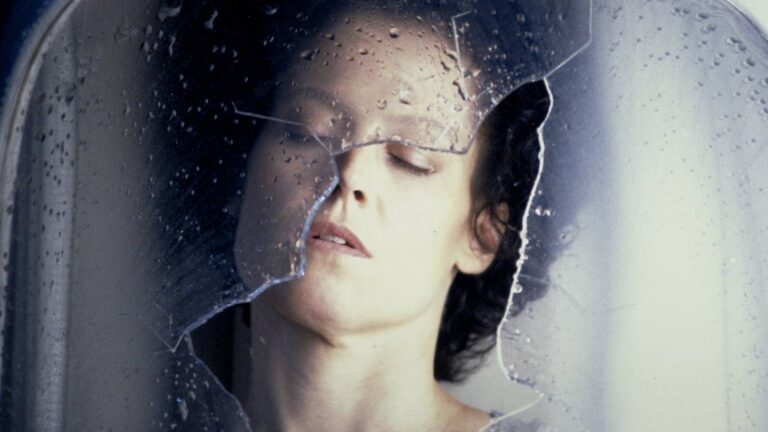
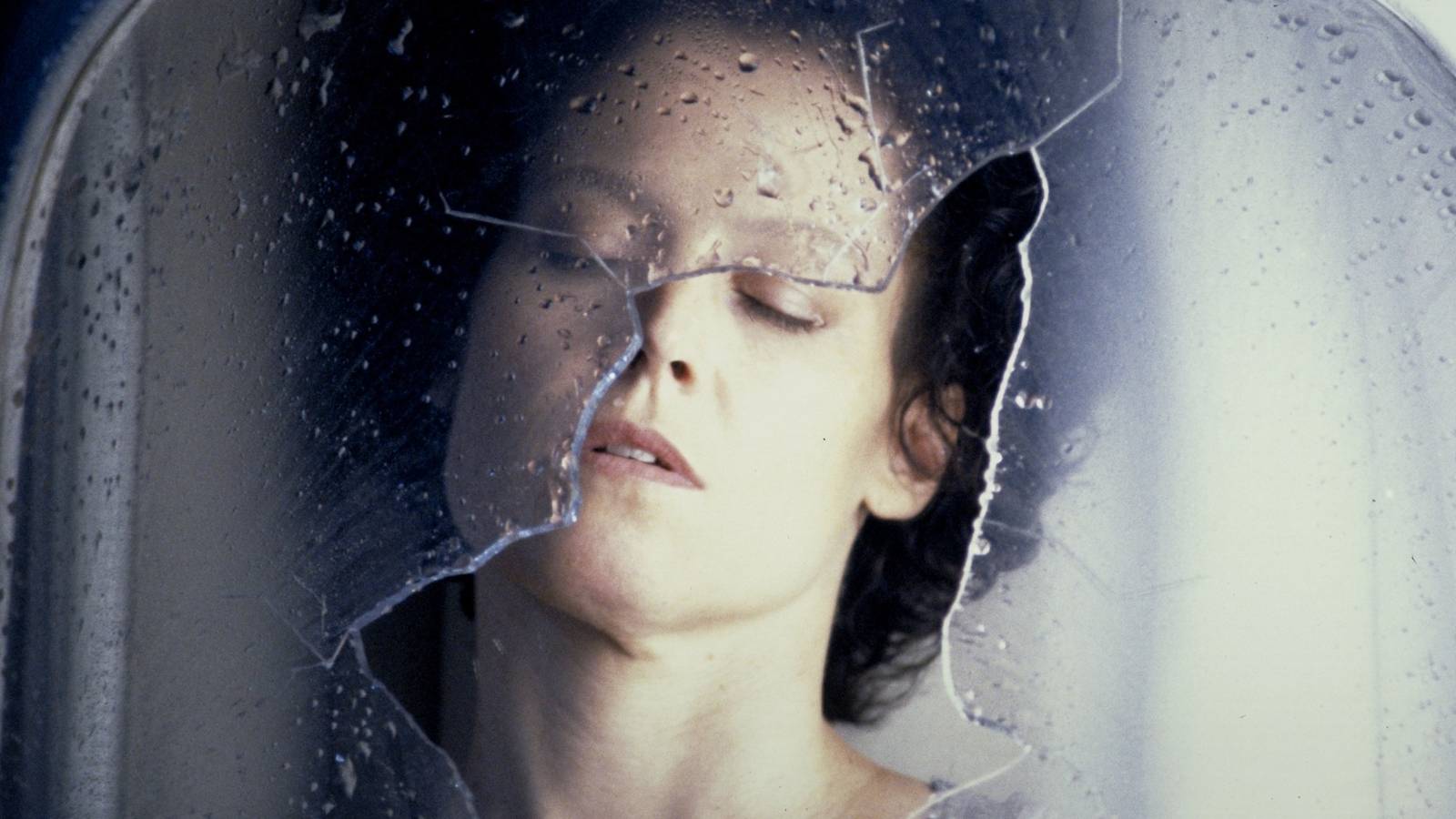
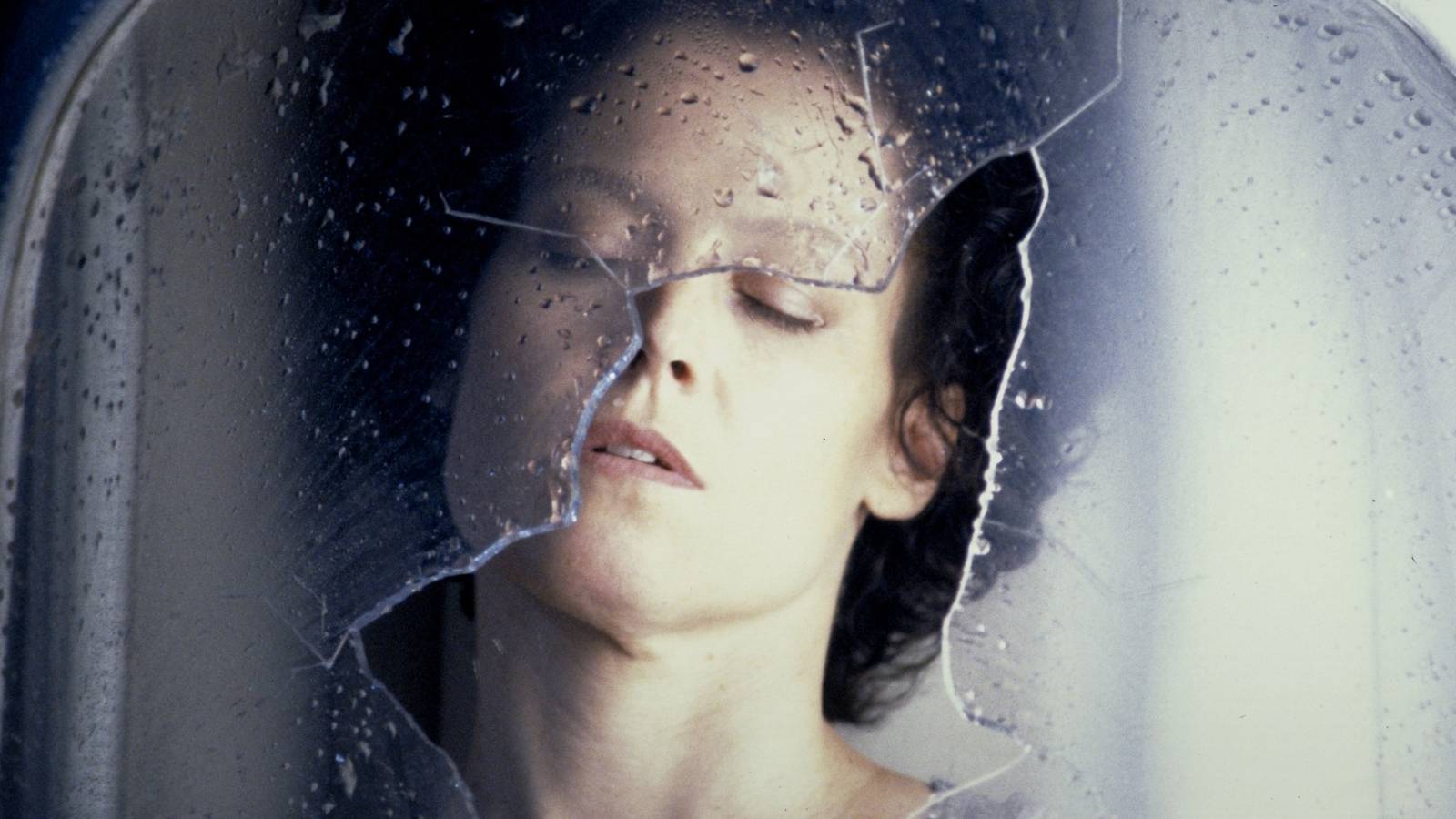
Consider the raw, primal fear evoked by Ridley Scott’s Alien, a franchise that masterfully blends sci-fi with creature feature horror, proving that terror can be as intellectual as it is visceral. Its groundbreaking practical effects and claustrophobic atmosphere set a new standard for creature design and suspense, influencing countless films across genres. Then there’s the theological dread of The Exorcist, a film so disturbing it sparked widespread controversy and fear upon its release, yet its unflinching portrayal of demonic possession cemented its place as a horror masterpiece. These films weren’t just scary; they were cultural phenomena that demonstrated the power of the R-rating to amplify impact.
The late 20th and early 21st centuries saw the emergence of franchises that leveraged their R-ratings to explore different facets of fear. Scream, for instance, used its mature rating to satirize and subvert slasher tropes, delivering meta-commentary alongside genuine scares and brutal kills. Meanwhile, Saw pushed the boundaries of body horror and psychological torture, crafting intricate, morally ambiguous narratives that left audiences squirming and questioning. These franchises didn’t just entertain; they engaged audiences in a dialogue about the nature of horror itself, proving that the genre could be both terrifying and thought-provoking, especially when granted the freedom of an R-rating.
When examining the best R-rated horror franchises, it becomes clear that their success is often tied to their ability to evolve while staying true to their core identity. Franchises like Halloween, Friday the 13th, and A Nightmare on Elm Street introduced us to unforgettable slasher villains whose reign of terror spanned decades, adapting to new cinematic trends while continuously delivering the visceral thrills and gruesome demises expected of their R-rated status. These films tapped into a collective fear of the unstoppable boogeyman, a primal terror that an R-rating allowed to be fully realized without restraint.
The appeal of mature horror lies in its refusal to sugarcoat. It confronts the audience with uncomfortable truths, graphic realities, and profound psychological disturbances that PG-13 fare often shies away from. This unfiltered approach fosters a deeper, more immersive experience. Fans of franchises like Evil Dead appreciate the series’ unapologetic embrace of gore and darkly comedic elements, which thrive precisely because of its R-rating. Similarly, Child’s Play (Chucky) leverages its mature rating to deliver genuinely disturbing scenarios and black humor, making its killer doll a persistent fixture in horror. This authenticity, the feeling that nothing is off-limits, cultivates a loyal fanbase that values intensity over sanitization. The continuous reboots, sequels, and expanded universes of these franchises are a testament to their enduring power, proving that audiences crave horror that doesn’t pull its punches. For a broader look at how R-ratings influence film series, check out Critical Consensus: Ranking the Best R-Rated Movie Trilogies.
An R-rating grants filmmakers an expansive canvas for crafting fear. It permits explicit depictions of violence, allowing for more impactful death scenes that underscore the stakes and brutality of the narrative. Beyond gore, it enables the exploration of mature themes such as trauma, moral decay, and existential dread with appropriate gravitas. The Final Destination series, for instance, uses its R-rating to meticulously orchestrate elaborate, gruesome death sequences that serve as a stark reminder of life’s fragility and the inescapable nature of fate, turning everyday objects into instruments of terror. This freedom from censorship empowers directors to fully realize their artistic vision, pushing the boundaries of what is considered scary and ensuring that the audience’s discomfort is not merely superficial but deeply ingrained.
The commercial and critical success of the best R-rated horror franchises has significant implications for the entertainment industry. It demonstrates that there’s a robust market for adult-oriented horror, encouraging studios to invest in projects that don’t compromise on intensity. This success often translates into impressive box office numbers, even with smaller budgets, making R-rated horror a financially attractive genre. Furthermore, it validates the creative choices of filmmakers who prioritize artistic integrity over broader demographic appeal. The continuous stream of reboots, remakes, and legacy sequels for these established franchises underscores their evergreen appeal and the industry’s recognition of their profitability. This success also influences streaming platforms, which increasingly seek mature content to attract and retain subscribers, further expanding the reach and impact of R-rated horror globally.
Over the decades, R-rated horror franchises have continually evolved in their methods of terrifying audiences. Early slashers relied on practical effects and jump scares, while later entries experimented with more intricate narratives and psychological manipulation. Franchises like Saw pioneered a new era of “torture porn,” focusing on intricate traps and moral dilemmas, which while controversial, undeniable pushed the envelope of visceral horror. Modern franchises often blend these elements, using sophisticated CGI to enhance gore while simultaneously weaving in complex psychological narratives that delve into the characters’ inner demons. This evolution reflects not only advancements in filmmaking technology but also a deeper understanding of human fears, proving that the genre is a dynamic space for exploring the spectrum of dread, from the outwardly gruesome to the inwardly unsettling. The consistent innovation within the 10 Best R-Rated Horror Movie Franchises ensures their continued relevance and impact.
Ultimately, the enduring legacy of the best R-rated horror franchises lies in their fearless pursuit of true terror. They remind us that horror, at its most potent, is not just about cheap thrills but about confronting our deepest anxieties, exploring the darkest corners of human nature, and experiencing stories that challenge and disturb us. By embracing the freedom of an R-rating, these franchises have not only delivered unforgettable cinematic experiences but have also shaped the very landscape of the horror genre, setting benchmarks for intensity, creativity, and lasting cultural impact for generations of fans and filmmakers alike.
An R-rating provides filmmakers with the freedom to depict graphic violence, mature themes, strong language, and disturbing content without compromise. This allows for a more visceral and authentic exploration of fear, psychological torment, and the darker aspects of human nature, leading to a deeper and often more impactful horror experience for adult audiences.
Successful R-rated horror franchises often combine compelling characters, innovative scares, memorable villains, and a consistent tone that resonates with their target audience. They frequently evolve their mythology while staying true to their core appeal, ensuring that each new installment offers fresh terror without straying too far from what fans love about the series.
The success of R-rated horror films demonstrates a viable market for mature content, encouraging studios to invest in projects that prioritize artistic vision over broad demographic appeal. They often yield high returns on relatively low budgets, making them attractive investments. Their influence extends to inspiring new filmmakers and shaping genre trends, from slasher revivals to elevated horror.
Not necessarily. While an R-rating offers more creative freedom, the quality of a horror film ultimately depends on its storytelling, direction, and execution. Many excellent PG-13 horror films have proven that effective scares can be achieved without explicit gore. However, for certain types of horror, particularly those aiming for extreme visceral impact or complex mature themes, an R-rating is often crucial for fulfilling their artistic intent.