Physical Address
304 North Cardinal St.
Dorchester Center, MA 02124
Physical Address
304 North Cardinal St.
Dorchester Center, MA 02124

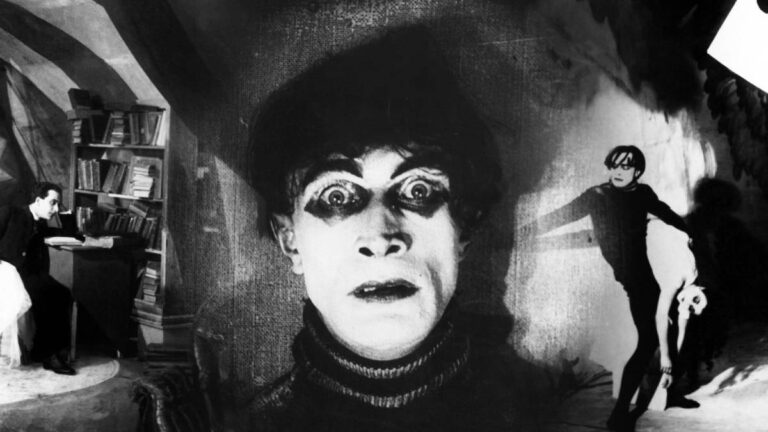
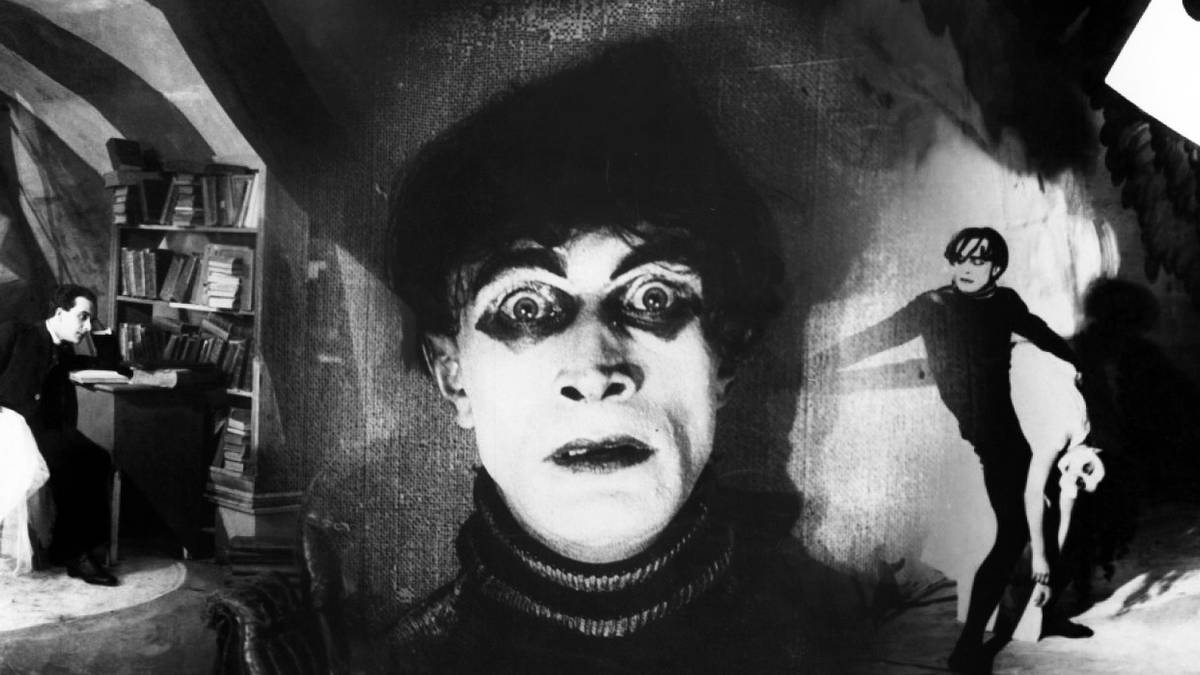
Often hailed as one of cinema’s foundational horror masterpieces, Robert Wiene’s 1920 silent film, The Cabinet of Dr. Caligari, stands as a towering achievement of German Expressionism. Its angular sets, stark shadows, and unsettling narrative created a visual language that continues to inspire filmmakers today. However, beneath its celebrated surface lies a fascinating and often frustrating tale of creative compromise: the significant Cabinet of Dr. Caligari studio interference. This early instance of producer meddling didn’t just tweak a few scenes; it fundamentally reshaped the film’s narrative, themes, and ultimately, its enduring message, carrying profound implications for both its initial audience and the industry at large.
Originally conceived by writers Carl Mayer and Hans Janowitz, Caligari was intended as a searing indictment of authoritarianism and the dangers of blind obedience. Their script painted a world where a seemingly benevolent figure, Dr. Caligari, manipulates a somnambulist, Cesare, to commit murders, all within a stark, distorted reality that mirrored their own post-World War I disillusionment with German society and its institutions. The film was meant to expose the madness inherent in power structures, daring audiences to question who truly held the reins of sanity and control.
The visual style, characterized by its dreamlike, painted backdrops and exaggerated perspectives, was revolutionary. It wasn’t just aesthetic; it was an integral part of the storytelling, designed to immerse the viewer in a subjective, unreliable reality. This artistic choice perfectly complemented the writers’ anti-establishment message, suggesting that the very fabric of their society was twisted and oppressive, reflecting the trauma of the war and the Weimar Republic’s fragile state.
Yet, the version that premiered in 1920 was not precisely the one Mayer and Janowitz envisioned. The primary alteration came in the form of a framing device, a prologue and epilogue added by producer Erich Pommer and director Robert Wiene, reportedly at the studio’s insistence. This seemingly minor structural change dramatically recontextualized the entire narrative, shifting it from a direct critique of authority to a psychological drama exploring the delusions of a madman.
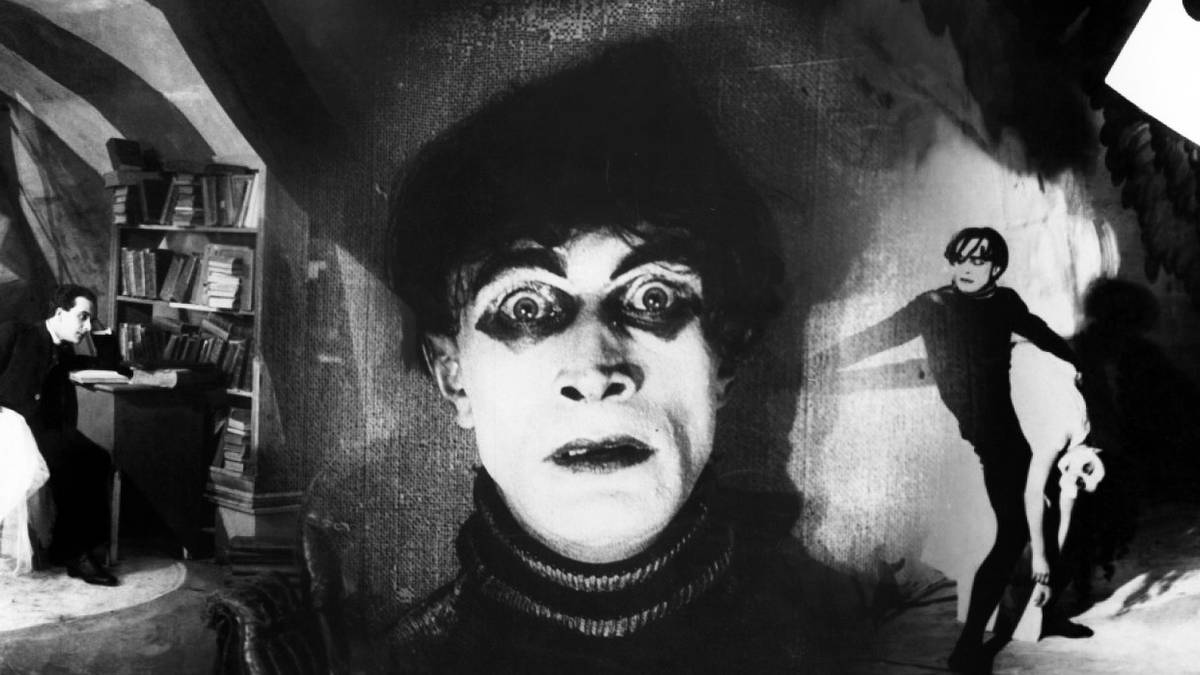
The creative tension surrounding The Cabinet of Dr. Caligari studio interference highlights a struggle as old as the film industry itself: the clash between artistic vision and commercial viability or, in this case, perceived social acceptability. The original script’s explicit anti-authoritarian stance was deemed too radical by the film’s producers, who feared alienating audiences or provoking political backlash in a volatile post-war Germany. By framing the entire unsettling narrative as the hallucination of an institutionalized patient, Francis, the film’s revolutionary critique was effectively defanged, transformed into a more palatable, albeit still disturbing, tale of individual madness rather than societal sickness.
The addition of the asylum framing device fundamentally altered the film’s thematic core. In Mayer and Janowitz’s original script, Francis, the protagonist, exposes Dr. Caligari as a malevolent figure of authority, thereby validating his own perspective and the film’s critique of power. However, with the added prologue and epilogue, Francis is revealed to be a patient in an asylum, and Dr. Caligari is portrayed as the benevolent director of that institution. This twist reconfigures everything. The entire distorted world, the murders, and Caligari’s villainy become products of Francis’s deluded mind. What was once an objective depiction of a corrupt system became a subjective descent into madness. This shift profoundly impacted how audiences interpreted the film, diluting its political punch and redirecting its focus towards psychological horror. The original intention to make audiences question those in charge was subtly subverted into questioning the sanity of the messenger.
The saga of Caligari‘s production offers a stark example of the friction between a filmmaker’s original intent and the commercial realities of the studio system. Mayer and Janowitz were reportedly devastated by the changes, feeling their message had been betrayed. While the final cut undeniably remains a landmark film, its altered narrative sparks ongoing debate among cinephiles and critics. Was the film improved by the changes, gaining a new layer of psychological complexity? Or was its initial, more powerful political statement irrevocably weakened? This question underscores the enduring challenge of preserving artistic integrity in a collaborative, financially driven medium. The decision to soften the blow of the original script, perhaps to ensure wider distribution or avoid controversy, set a precedent for countless future instances of studio interference, where the “vision” of the film becomes a negotiation rather than a singular artistic statement.
While often romanticized as a period of unbridled artistic experimentation, the silent film era was not immune to the commercial pressures and creative compromises that define modern Hollywood. The The First Horror Film Ever Made Was Overrun with Studio Interference article details how even then, producers wielded significant power, often overriding writers and directors for various reasons—be it financial concerns, moralistic viewpoints, or simply a different artistic direction. The Cabinet of Dr. Caligari studio interference serves as an early, high-profile example of this dynamic. It demonstrated that even groundbreaking, visually distinctive works could have their core messages reshaped by forces beyond the original creative team. This established a precedent that would ripple through cinematic history, influencing everything from directorial cuts to blockbuster franchise management.
Despite the contentious alterations, The Cabinet of Dr. Caligari has maintained its status as a seminal work, influencing generations of filmmakers in horror, film noir, and avant-garde cinema. Its visual aesthetic, in particular, remains unparalleled. However, understanding the context of the studio interference adds another layer to its appreciation. For audiences today, knowing the original intent allows for a richer, more critical viewing experience, prompting reflection on themes of perception, reality, and authority. It transforms the film from a mere spectacle into a historical document, revealing not just the brilliance of its creators but also the powerful constraints they operated under. The story of its making is as compelling as the film itself, a testament to the complex interplay of art, commerce, and control.
The specific alterations to Caligari didn’t just impact that single film; they had broader implications for the nascent horror genre. By shifting the focus from external, societal horrors to the internal, psychological torment of an individual, the studio inadvertently helped solidify a particular branch of horror that thrives on unreliable narration and the fragility of the mind. This emphasis on psychological horror, where the monster might reside within or where reality itself is suspect, became a powerful trope. Future horror films, whether intentionally or not, would build upon this foundation, exploring madness, delusion, and subjective terror. The choices made during The Cabinet of Dr. Caligari’s production thus inadvertently helped to chart a course for horror’s evolution, demonstrating how even seemingly small creative decisions can have monumental, long-lasting effects on an entire genre.
In conclusion, the story of The Cabinet of Dr. Caligari studio interference is a microcosm of the perpetual tension between artistic vision and commercial demands in filmmaking. While the film emerged as an undeniable masterpiece, its altered narrative serves as a potent reminder of the power dynamics at play in the creative process. It highlights how even the earliest and most influential works of cinema were subject to external pressures, shaping not just individual films but the very trajectory of genres like horror. For fans and industry professionals alike, understanding this complex history offers invaluable insight into the enduring struggle for artistic autonomy and the multifaceted ways in which stories come to life on screen.
The primary interference involved the addition of a framing device: a prologue and epilogue that revealed the entire story to be the hallucination of a patient in an asylum. This fundamentally recontextualized the narrative as a psychological delusion rather than an objective reality.
The original script by Carl Mayer and Hans Janowitz intended the film as a direct, anti-authoritarian critique of corrupt power structures in post-WWI Germany. The added framing device shifted the blame from societal madness to individual mental illness, softening the political message and transforming it into a more ambiguous psychological horror.
Yes, absolutely. Despite the controversy surrounding its alterations, The Cabinet of Dr. Caligari is widely regarded as a foundational masterpiece of German Expressionism and early horror cinema. Its revolutionary visual style, innovative use of set design, and enduring atmospheric dread continue to inspire filmmakers and captivate audiences.
Modern filmmakers can learn valuable lessons about the importance of artistic integrity, the challenges of maintaining a singular vision within a collaborative industry, and the long-term impact that creative compromises can have on a film’s thematic resonance and legacy. It underscores the perpetual tension between art and commerce in cinema.