Physical Address
304 North Cardinal St.
Dorchester Center, MA 02124
Physical Address
304 North Cardinal St.
Dorchester Center, MA 02124


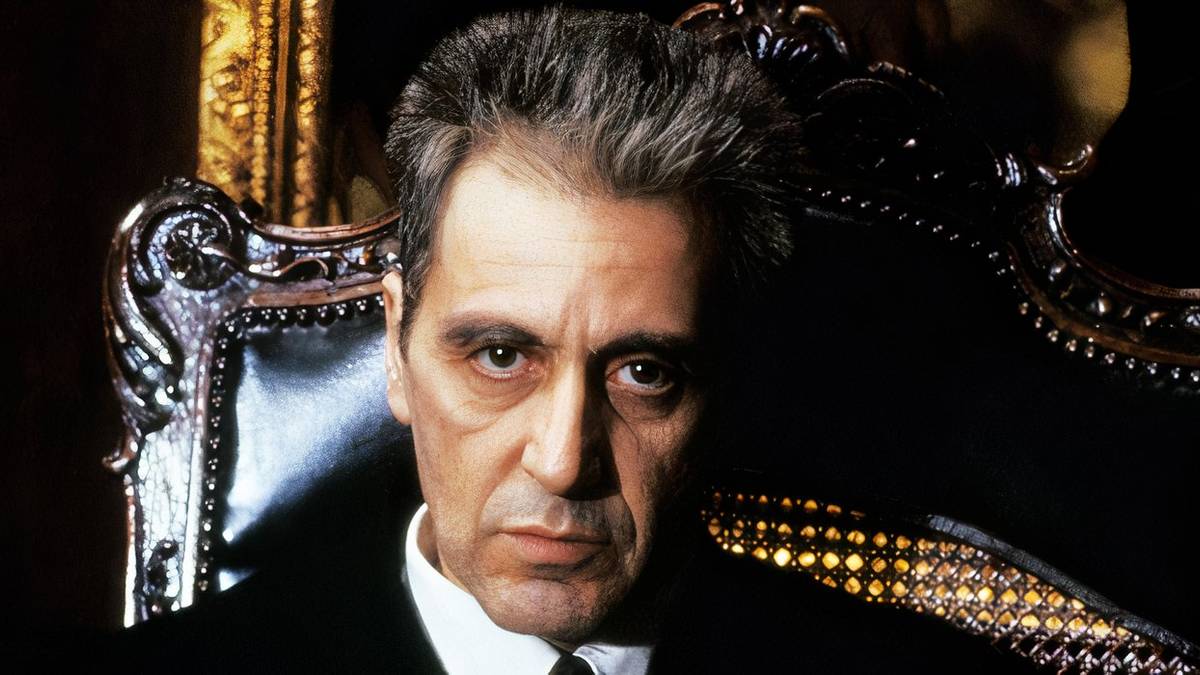
In the vast landscape of cinematic storytelling, certain sagas push the boundaries, daring to explore themes, violence, and language that resonate deeply with adult audiences. These aren’t just standalone films; they are ambitious, multi-chapter narratives, and identifying the best R-rated movie trilogies is a fascinating exercise for any film enthusiast. From gritty crime epics to visceral horror and audacious comedies, these series leverage their mature classification to deliver unfiltered visions, often cementing their place in cinematic history and leaving an indelible mark on both fans and the industry.
The R-rating isn’t merely a restriction; for many filmmakers, it’s a liberation. It provides the creative freedom to delve into complex human experiences without compromise, allowing for genuine emotional rawness, unflinching depictions of violence, and dialogue that mirrors the complexities of real life. This unvarnished approach often leads to more impactful, memorable, and critically acclaimed works. When a creative team manages to sustain this level of mature storytelling across three distinct yet interconnected films, the result is truly exceptional, offering audiences a journey that respects their intelligence and willingness to confront difficult subjects.
For fans, the appeal of an R-rated trilogy lies in its commitment to a consistent tone and thematic depth that might be diluted by a more restrictive rating. Imagine a version of Francis Ford Coppola’s The Godfather trilogy without its stark depiction of organized crime’s brutality or its morally ambiguous characters. Or consider the cult appeal of Sam Raimi’s *Evil Dead* series, which thrives on its unique blend of practical gore and dark humor, elements intrinsically tied to its R-rating. These films don’t shy away from the darker corners of human nature or the grotesque side of fantasy, which is precisely why they resonate so strongly with their dedicated fanbases.
The industry, too, pays close attention to the success of these adult-oriented sagas. A commercially and critically triumphant R-rated trilogy demonstrates that there’s a significant market for mature content, encouraging studios to invest in projects that prioritize artistic integrity over broad accessibility. This, in turn, fosters a more diverse cinematic landscape where creators are empowered to tell stories without fear of softening their vision for a wider, potentially younger, audience. It’s a testament to the power of uncompromised vision that films like *The Lord of the Rings* (extended cuts) and *The Dark Knight* series, while not exclusively R-rated, often flirt with or achieve that level of intensity in their thematic explorations.
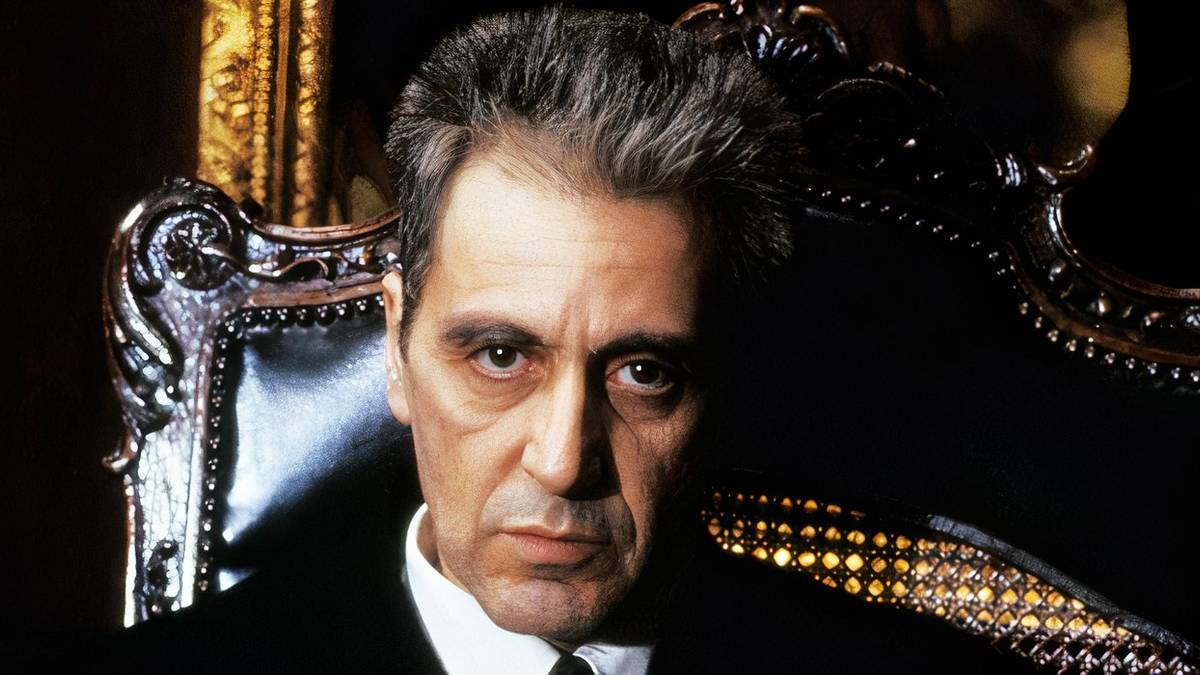
Examining what elevates certain R-rated trilogies above others reveals a confluence of factors, including consistent directorial vision, evolving character arcs, and a narrative that justifies its extended runtime across multiple films. It’s not enough to simply be R-rated; the mature content must serve the story, enriching its themes and deepening its impact rather than being gratuitous. For instance, the raw, improvised feel of Kevin Smith’s *Clerks* films would lose much of its charm and authenticity if constrained by a PG-13 rating, as the dialogue and situations are inherently adult.
The ability of an R-rated trilogy to explore complex themes without compromise is perhaps its greatest strength. Take, for example, the exploration of power, corruption, and family loyalty in *The Godfather* films. The violence isn’t gratuitous; it’s a stark, necessary component of the world being depicted, illustrating the brutal realities of the mafia. Similarly, in horror trilogies like *Evil Dead*, the R-rating allows for the full, visceral impact of terror and gore, which is central to the genre’s appeal. These narratives are not watered down for mass consumption; they are presented in their rawest, most potent form, leading to a more immersive and often unsettling experience for the viewer.
This unfiltered approach extends beyond violence and gore to encompass mature themes such as existential dread, moral ambiguity, and societal critique. Films like the original *Matrix* trilogy, with its philosophical underpinnings and intense action, benefit immensely from the freedom an R-rating affords in depicting a dystopian future and the struggle against systemic control. The adult nature of these stories allows for deeper philosophical questions to be posed and explored without needing to simplify them for younger audiences, resulting in a richer, more thought-provoking cinematic experience.
The longevity and enduring appeal of the best R-rated movie trilogies often stem from their ability to maintain quality and thematic consistency across all three installments. This is no small feat. Many film series falter after the first or second entry, but those that achieve trilogy status with continued critical and audience acclaim are truly special. This requires a strong initial concept, characters that can evolve meaningfully, and a creative team dedicated to seeing the story through without losing its original essence. The narrative must build, deepen, and ultimately provide a satisfying conclusion while remaining true to the tone and mature themes established in the first film.
The creative freedom afforded by an R-rating can also be a double-edged sword. While it allows for greater artistic expression, it also places a higher burden on the filmmakers to use that freedom responsibly and effectively. Successful R-rated trilogies master this balance, ensuring that the mature content serves the story and characters, rather than becoming a distraction. This meticulous craftsmanship is what transforms a series of films into a cohesive and memorable saga, cementing its place among the 8 Greatest R-Rated Movie Trilogies, Ranked.
The bond between fans and their favorite R-rated trilogies is often exceptionally strong, built on a shared appreciation for uncompromising storytelling. These are not typically casual viewers; they are dedicated enthusiasts who champion these films for their bold narratives, complex characters, and willingness to defy conventional Hollywood norms. The legacy of these mature franchises is often defined by cult followings, re-watchability, and intense discussion around their themes and impact. From the philosophical debates sparked by *The Matrix* to the fervent appreciation for the dark humor and practical effects of *Evil Dead*, these films inspire passionate engagement.
This fan loyalty translates into sustained cultural relevance, with trilogies like *The Godfather* continuing to be studied in film schools and referenced in popular culture decades after their release. The unapologetic nature of R-rated content means these films often push boundaries, becoming touchstones for artistic expression and sparking important conversations about censorship, violence, and representation in media. Their impact extends beyond mere entertainment, shaping perceptions and influencing future generations of filmmakers who aspire to tell equally bold stories.
While often perceived as niche due to their restrictive rating, successful R-rated trilogies have proven to be significant commercial and critical successes, demonstrating the viability of adult-oriented content in the blockbuster landscape. Films like *The Matrix* trilogy broke box office records while maintaining their R-rating, proving that mature themes and intense action could draw massive audiences. This success challenges the notion that films must be PG-13 to be profitable, opening doors for more diverse storytelling and a wider range of cinematic experiences.
The critical acclaim often garnered by the best R-rated series also elevates their prestige, attracting top talent and reinforcing the idea that an R-rating can be a mark of artistic ambition rather than a box office impediment. These trilogies often become benchmarks for quality within their respective genres, influencing subsequent films and demonstrating a path for filmmakers to pursue their visions without compromise, ultimately enriching the entire film industry by proving the enduring power and appeal of mature narratives.
An R-rated movie trilogy is a series of three interconnected films, each receiving an R-rating from the MPAA (or equivalent rating in other regions), meaning they contain content deemed suitable for mature audiences due to elements like strong violence, pervasive language, sexual content, or drug use. The films usually share a consistent narrative, characters, and thematic universe.
They are celebrated for their uncompromising artistic vision and freedom. The R-rating allows filmmakers to delve into complex, often dark, themes, depict realistic violence, and use authentic language without censorship. This often results in more profound character development, gritty realism, and a visceral impact that resonates deeply with audiences looking for mature, unvarnished storytelling.
While the R-rating can limit the potential audience compared to PG-13 films, many R-rated trilogies have achieved significant box office success and critical acclaim. Their appeal to a dedicated adult demographic, coupled with strong word-of-mouth and cultural impact, often leads to robust commercial performance, proving that artistic integrity and mature themes can indeed be profitable.
Filmmakers face the challenge of maintaining consistent quality, tone, and thematic depth across three films while leveraging the R-rating effectively without resorting to gratuitous content. They must ensure that the mature elements serve the story and characters, rather than becoming a distraction. Balancing artistic freedom with narrative coherence and audience engagement for over a decade of production can be a complex endeavor.