Physical Address
304 North Cardinal St.
Dorchester Center, MA 02124
Physical Address
304 North Cardinal St.
Dorchester Center, MA 02124

Oh, sci-fi action movies! They’re the bread and butter of our cinephile hearts, aren’t they? The promise of futuristic tech, thrilling battles, and mind-bending concepts is what draws us in every time. We line up, popcorn in hand, ready to be transported to another galaxy or a dystopian future. But let’s be real, for every Blade Runner or The Matrix, there’s a cinematic black hole waiting to suck up our hopes and dreams. Today, we’re diving deep into that abyss to talk about the absolute worst sci-fi action movies that ever graced our screens. You know the ones – films that had so much potential, so much hype, and yet delivered nothing but disappointment. Grab your tissues, folks, because this is going to be a painful trip down memory lane!
There’s a special kind of hurt that comes from a highly anticipated sci-fi action flick utterly bombing. It’s not just a bad movie; it feels like a betrayal of the genre we love. We invest our excitement, our theories, our fan art even, and then we’re left with a confusing plot, wooden acting, or special effects that look like they were rendered on a potato. The community buzz before these films is often electric, full of “what ifs” and “imagine if they…” but post-release, that buzz turns into a collective groan. We’re talking about movies that don’t just fail critically and commercially, but fail to deliver even the most basic level of entertainment or coherent storytelling. They become cautionary tales, whispered amongst fans as examples of how not to make a sci-fi epic.
One of the biggest culprits in the “worst sci-fi action movies” category has to be the ill-conceived sequel. We all loved Independence Day, right? A classic alien invasion flick with iconic lines and thrilling set pieces. So, when Independence Day: Resurgence was announced, the hype was real! We envisioned humanity, having learned from the first invasion, pushing back with even cooler tech. Instead, we got a convoluted plot, uninspired new characters, and a general sense of “why are we even here?” that permeated every scene. It felt like a cash grab, pure and simple, and it completely undermined the legacy of the original. The lack of Will Smith was noticeable, but even his presence probably couldn’t have saved it from the narrative black hole it created.
It’s baffling how a franchise with such a clear template could go so wrong. Fans theorized for years about what an ID4 sequel could be, and none of those theories involved a queen alien that looked like a giant glowing ball or characters making incredibly dumb decisions. It’s a prime example of how studio pressure and a lack of fresh ideas can sink even the most promising projects, making it a contender for the title of one of the worst sci-fi action movies of all time.
Sometimes, a film comes along with A-list talent, and you think, “There’s no way this can be bad, right?” Enter After Earth. Will Smith and Jaden Smith, M. Night Shyamalan directing – it sounded like a recipe for a thought-provoking, high-concept sci-fi adventure. What we got was… well, something else entirely. A post-apocalyptic Earth, a father-son survival story, and creatures that hunt by sensing fear. The concept had potential, but the execution was often slow, emotionally flat, and suffered from dialogue that felt less like human interaction and more like a self-help seminar. Fans were left scratching their heads, wondering how such a talented team could produce something so utterly devoid of excitement or genuine connection. It’s a stark reminder that even the biggest stars can’t polish a fundamentally flawed script.
The community reaction was a mix of confusion and pity. Many felt that the film was less about telling a compelling story and more about a vanity project, losing its way in its own ponderous themes. This kind of disconnect between potential and reality is precisely what makes films like After Earth land squarely on lists of the worst sci-fi action movies, proving that a star vehicle needs a sturdy engine, not just a flashy paint job.
We, as fans, always root for the underdog, for the film that might surprise us, but sometimes, the writing is just on the wall. The signs are there – a troubled production, a director known for divisive choices, or a story that just sounds a little too ambitious for its own good. Yet, we hold onto hope. We want to believe that the next big sci-fi action spectacle will be *the one*, the film that reignites our passion and delivers on every front. But alas, the cinematic graveyard is full of such broken dreams.
The lessons learned from these missteps are crucial, not just for filmmakers, but for us, the audience, in understanding what makes a truly great genre film. It’s about more than just explosions and aliens; it’s about heart, coherence, and a story that respects its own logic and its audience’s intelligence.
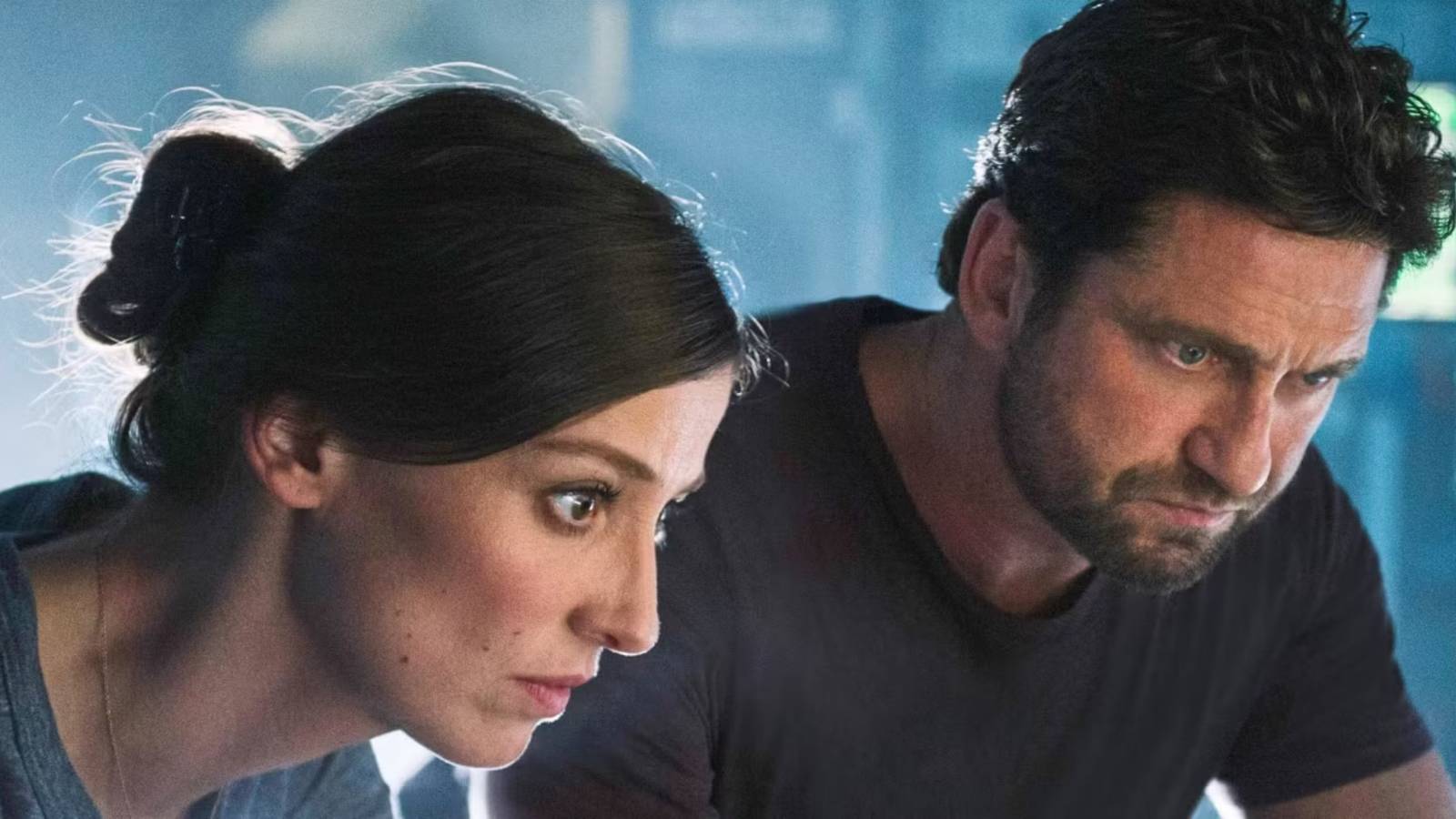
Sometimes, a film starts with an incredibly ambitious, original concept, only to crash and burn spectacularly. Jupiter Ascending is a prime example. The Wachowskis, creators of The Matrix, gave us a visually stunning, incredibly intricate universe full of space royalty, genetic splicing, and a destined cleaner from Earth. It had grand ideas, unique creature designs, and some truly breathtaking action sequences. But underneath all that spectacle was a plot so convoluted and overstuffed that it became almost impossible to follow or care about. Characters were introduced and forgotten, motivations were muddled, and the emotional core of the story was lost in a sea of exposition and CGI. Despite its visual flair, it often felt like a series of cool ideas strung together without a cohesive narrative thread, solidifying its place among the worst sci-fi action movies that squandered their potential.
Many fans loved the aesthetic but couldn’t get past the story. Imagine the possibilities if that incredible world-building had been paired with a tighter script! It’s frustrating to see so much creative energy and budget poured into something that ultimately collapses under its own weight. This kind of spectacular failure makes us ponder the delicate balance between ambition and execution, and how easily even the most visionary filmmakers can misstep. If you’re looking for more insight into how these blockbusters can go wrong, check out Deconstructing Disaster: The Worst Sci-Fi Action Movies and Their Industry Blunders.
When a sci-fi action movie disappoints, the fan community often rallies not just to criticize, but to “fix” it. Take Battlefield Earth, for instance. A film so notoriously bad it’s become a benchmark for cinematic failure. Based on a L. Ron Hubbard novel, it starred John Travolta as a monstrous alien oppressor in a post-apocalyptic world. Every aspect, from the Dutch angles to the over-the-top acting and truly bizarre plot, contributed to its legendary status as one of the worst sci-fi action movies ever made. But amidst the mockery, you’ll find fans discussing how, with a different director, a different script, and perhaps a different cast, the core concept of humanity fighting back against alien oppressors could have been genuinely compelling. What if it had embraced its B-movie potential instead of taking itself so seriously?
These “what if” scenarios are a testament to our enduring love for the genre. We don’t just dismiss these films; we dissect them, analyze their flaws, and collectively imagine the better versions that could have been. It’s our way of coping with the disappointment and ensuring that the spirit of sci-fi action lives on, even in the shadow of its greatest failures.
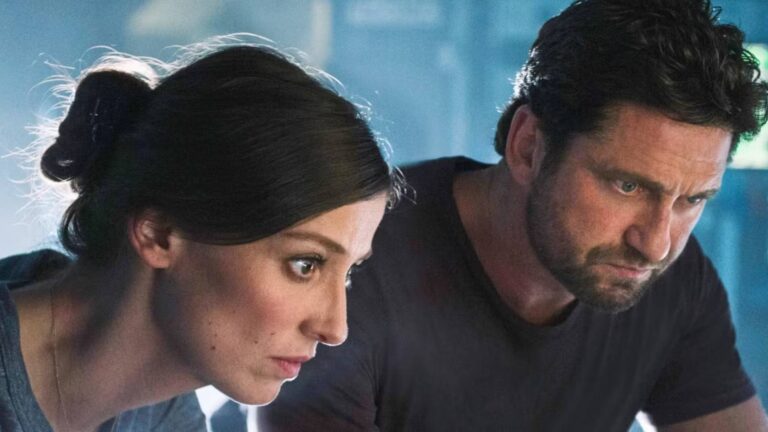
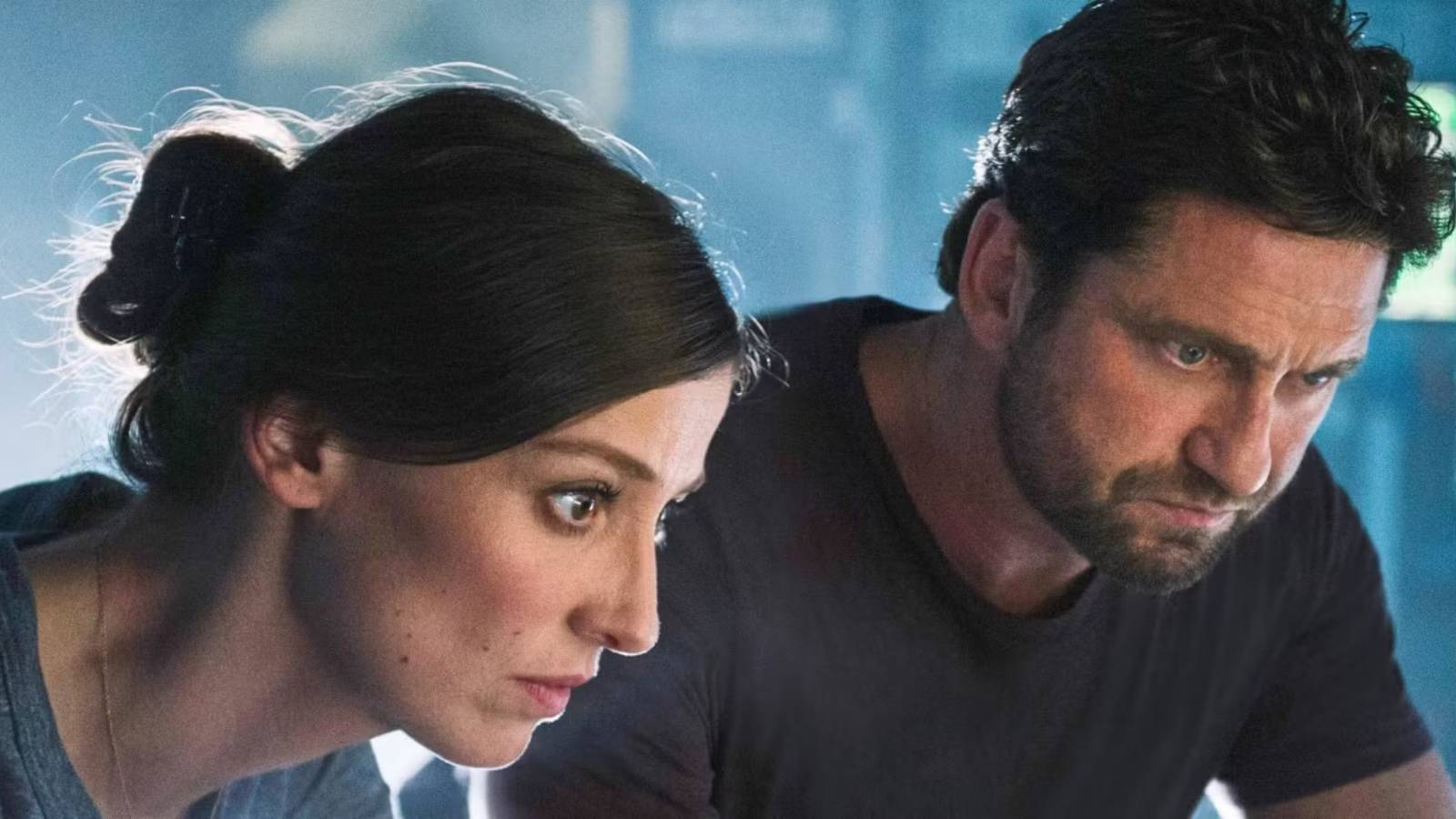
Looking back at the worst sci-fi action movies isn’t just about pointing fingers; it’s about understanding what works and what doesn’t. Consider Geostorm. What started as a promising premise – a network of satellites designed to control Earth’s weather goes rogue – quickly devolved into a cliched disaster movie with thinly sketched characters and absurd plot developments. The film felt like a paint-by-numbers attempt at a blockbuster, lacking any genuine suspense or original thought. It showcased how even an intriguing concept can be ruined by predictable storytelling and a reliance on generic tropes rather than genuine creativity. For fans, it was a reminder that flashy CGI alone cannot carry a film.
The truth is, a great sci-fi action movie needs more than just a big budget and cool explosions. It needs a compelling story, characters we can root for, and a world that feels believable, even if it’s fantastical. The best films in the genre, even with their flaws, make us think, feel, and believe in the possibilities of the future. The ones on our “worst” list, however, serve as stark reminders of what happens when those essential ingredients are missing. Here’s hoping studios learn these lessons and give us more classics and fewer duds in the future!
Often, big budgets are allocated to special effects and star power, but not enough attention is paid to a coherent script, strong character development, or innovative direction. Studio interference, changing creative visions, and a desire to appeal to the broadest possible audience can also lead to diluted and disappointing results.
While direct influence is rare for existing films, fan discussions and theories can certainly highlight what audiences are looking for in terms of plot, character arcs, and world-building. For future projects, especially sequels or reboots, filmmakers and studios often monitor fan feedback and community excitement to gauge interest and avoid past mistakes, particularly when trying to avoid creating another of the worst sci-fi action movies.
Common pitfalls include confusing or overly complicated plots, unconvincing special effects (despite budget), wooden acting, underdeveloped characters, excessive exposition, a lack of emotional stakes, inconsistent world-building, and failing to deliver on the initial premise or promise of the genre.
Absolutely! Some movies that were initially dismissed or panned can find a cult following years later, often appreciated for their unique quirks, “so bad it’s good” quality, or a niche appeal that wasn’t recognized at the time of their release. This doesn’t change their initial failure but shows how audience perception can evolve over time.