Physical Address
304 North Cardinal St.
Dorchester Center, MA 02124
Physical Address
304 North Cardinal St.
Dorchester Center, MA 02124


The dawn of the 21st century heralded a golden age for video games, transforming them from niche entertainment into a dominant cultural force. As technology advanced and creative boundaries shattered, certain titles emerged not just as popular hits, but as true pioneers, reshaping genres, influencing design philosophies, and setting new industry standards. Delving into the profound impact these digital masterpieces had on players and developers alike reveals why they are considered the most influential video games 21st century, leaving an indelible mark that continues to resonate today.
The 21st century has been a period of unprecedented growth and innovation for the video game industry. From the rise of online multiplayer to the explosion of open-world narratives and the democratization of game creation, the landscape has continually evolved. Identifying the most influential titles requires looking beyond sales figures and critical acclaim, focusing instead on their long-term ripple effects: how they inspired countless imitators, introduced groundbreaking mechanics, or fundamentally altered player expectations. These games didn’t just entertain; they redefined what was possible, laying foundations for generations of titles to come.
When Grand Theft Auto V launched in 2013, it wasn’t just a blockbuster; it was a seismic event that recalibrated expectations for open-world games. Rockstar North’s sprawling Los Santos offered an unprecedented level of detail, interactivity, and satirical social commentary. Its three-protagonist narrative structure was a bold innovation, allowing players to weave between distinct storylines and perspectives, adding depth to the criminal saga. But perhaps its most significant contribution was Grand Theft Auto Online, which transformed the base game into an evergreen, evolving platform. This live-service model, with its continuous updates, new content, and robust player economy, became a blueprint for how games could retain audiences for years, influencing everything from battle royales to shared-world RPGs.
The sheer ambition of GTA V pushed hardware to its limits and set a new bar for environmental storytelling and emergent gameplay. Its financial success, becoming one of the best-selling entertainment products of all time, proved the immense appetite for meticulously crafted, expansive worlds that offer both directed narrative and boundless player freedom. The implications for the industry were clear: invest in persistent online experiences and build worlds so rich that players never want to leave.
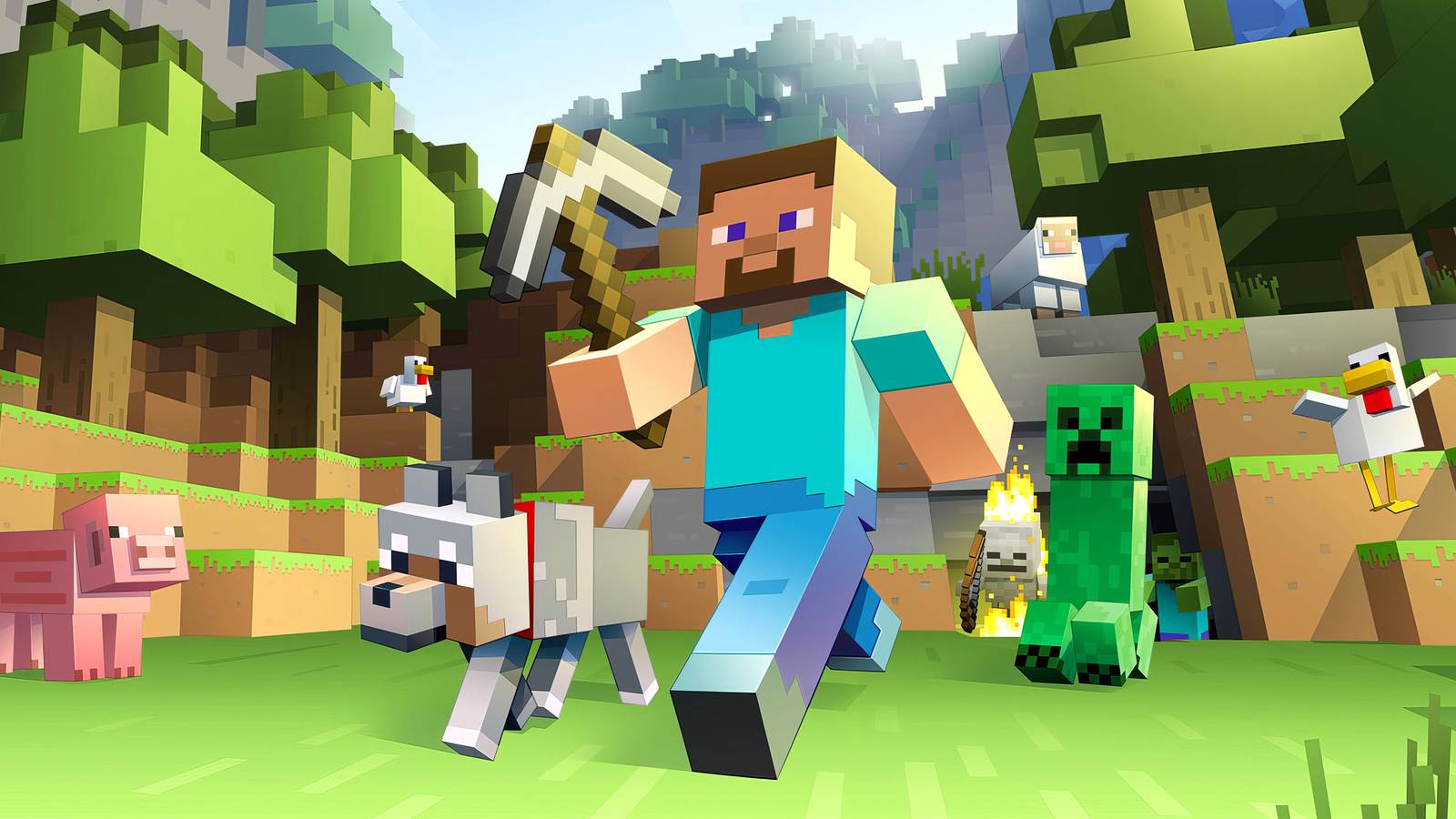
Few games have transcended the medium to become a cultural touchstone quite like Minecraft. Released in 2011 (after years in alpha), Mojang Studios’ blocky sandbox initially seemed deceptively simple. Yet, its core mechanic of building and exploring procedurally generated worlds ignited an unparalleled explosion of creativity. Minecraft empowered players to construct anything they could imagine, from intricate contraptions using redstone logic to colossal architectural marvels. This emphasis on player-driven content and emergent gameplay fundamentally shifted perceptions of what a “game” could be.
Its influence extends far beyond gaming. Minecraft became a tool for education, a platform for virtual concerts, and a social hub for millions. It popularized the “sandbox” genre, inspired countless survival and crafting games, and demonstrated the immense power of community-driven content generation. The game’s cross-platform ubiquity and appeal across all age groups solidified its status as one of the most influential video games 21st century, proving that simple mechanics, coupled with limitless imagination, can lead to world-altering impact.
Before Rocksteady Studios’ Arkham series, superhero video games often struggled to capture the essence of their comic book counterparts. Batman: Arkham City (2011), building on the stellar foundation of Arkham Asylum, perfected the formula. It delivered a visceral combat system, dubbed “Freeflow,” that felt fluid, empowering, and endlessly satisfying, inspiring countless action games that followed. The game’s open-world design, rich with iconic villains and detective challenges, allowed players to truly embody the Caped Crusader in a way no game had before.
Arkham City proved that licensed games could not only be good but could be genre-defining. It raised the bar for narrative depth, voice acting, and environmental storytelling in superhero titles, influencing subsequent adaptations like Marvel’s Spider-Man. The game’s intricate level design and rewarding exploration set a new standard for how players could interact with and navigate a comic book universe, showcasing the potential for deeply immersive experiences within established franchises.
Blizzard Entertainment’s World of Warcraft, launched in 2004, didn’t invent the MMORPG, but it perfected and popularized it to an unprecedented degree. WoW created a vibrant, persistent online world where millions of players forged friendships, conquered epic raids, and lived virtual second lives. Its intuitive questing, diverse classes, and ever-expanding lore drew in a massive audience, setting subscription model records that remain largely unbroken.
The game’s influence can be seen in the countless MMORPGs and online multiplayer titles that have tried to replicate its success. It demonstrated the power of consistent content updates, social features, and a strong sense of community to keep players engaged for well over a decade. WoW didn’t just influence other games; it created a phenomenon that shaped online culture, proving the immense potential of shared digital spaces.
In 2007, Infinity Ward’s Call of Duty 4: Modern Warfare wasn’t just another first-person shooter; it was a revolution. Shifting the series from its World War II roots to a contemporary setting, it delivered a cinematic single-player campaign that felt like an interactive Hollywood blockbuster. However, its most profound impact came from its multiplayer component. Modern Warfare introduced a progression system with unlockable weapons, perks, and killstreaks that became the gold standard for competitive online shooters.
This system, rewarding players for continued engagement and skill, fundamentally changed how online multiplayer was designed, fostering a sense of long-term accomplishment beyond simple scorekeeping. Its fast-paced action, tight controls, and robust matchmaking created a competitive environment that captivated millions, directly influencing nearly every online shooter released in its wake and solidifying its place among the most influential video games 21st century.
The 21st century also saw a surge in games pushing boundaries in narrative depth and gameplay challenges. CD Projekt Red’s The Witcher 3: Wild Hunt (2015) stands as a towering achievement in open-world RPGs, demonstrating that vastness needn’t come at the expense of intricate storytelling and meaningful player choice. Its morally grey quests, compelling characters, and richly detailed world set a new benchmark for narrative immersion, proving that games could deliver stories as mature and complex as any other medium. This commitment to player-driven consequences and a living, breathing world profoundly influenced subsequent RPGs and open-world titles, emphasizing quality over sheer quantity of content.
Conversely, FromSoftware’s Dark Souls (2011) carved out its own niche by embracing difficulty as a core design principle. Rejecting hand-holding, Dark Souls offered cryptic lore, challenging combat, and an interconnected world that demanded player persistence and mastery. Its success spawned an entire sub-genre, “Souls-likes,” proving that a significant portion of the gaming audience craved demanding experiences that rewarded skill and exploration. The game’s unique approach to environmental storytelling and its innovative asynchronous multiplayer elements cemented its status as a highly influential title, encouraging developers to reconsider what constitutes a satisfying challenge.
The games discussed here, alongside many other pivotal titles like Portal, The Sims, and Fortnite, represent a diverse tapestry of innovation and impact. They have not only entertained but have also pushed technological boundaries, redefined genres, and fostered unprecedented levels of community engagement. From crafting entire universes in Minecraft to navigating the intricate moral dilemmas of The Witcher 3, these experiences have shaped player expectations and inspired countless developers to dream bigger.
The ongoing evolution of the industry owes a tremendous debt to these trailblazers. Their influence is evident in the mechanics we take for granted, the narratives we expect, and the communities we build. As we look to the future, the lessons learned from the 10 Most Influential Video Games of the 21st Century will undoubtedly continue to guide the next wave of groundbreaking digital entertainment, ensuring that the legacy of innovation endures.
An influential video game in the 21st century is one that introduces groundbreaking mechanics, redefines a genre, sets new industry standards, inspires countless other titles, or creates a significant cultural impact beyond the gaming community itself. It’s about its long-term ripple effect, not just initial sales or critical reception.
The 21st century has seen massive influence across several genres, particularly open-world games (Grand Theft Auto V, The Witcher 3), first-person shooters (Call of Duty 4: Modern Warfare), MMORPGs (World of Warcraft), and sandbox/crafting games (Minecraft). Superhero action games (Batman: Arkham City) also saw a significant evolution.
While not explicitly detailed above, mobile games have profoundly influenced the industry by democratizing access to gaming, introducing new monetization models (free-to-play, microtransactions), and proving the viability of casual gaming on touch devices. Titles like Candy Crush Saga and Clash of Clans reshaped how games are developed, marketed, and consumed by a mass audience.
Absolutely. Modern game development frequently iterates on successful formulas established by these influential titles. Elements like open-world design, detailed progression systems, live-service models, and deep narrative choices are now standard expectations. Future games will likely continue to refine these concepts while introducing new technological advancements and creative visions.