Physical Address
304 North Cardinal St.
Dorchester Center, MA 02124
Physical Address
304 North Cardinal St.
Dorchester Center, MA 02124

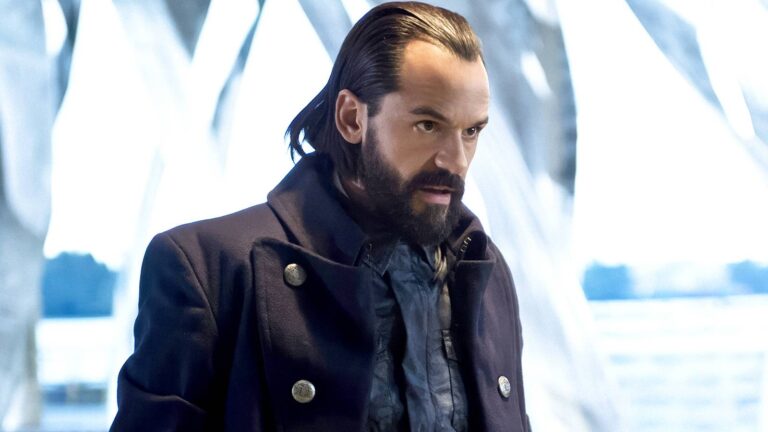
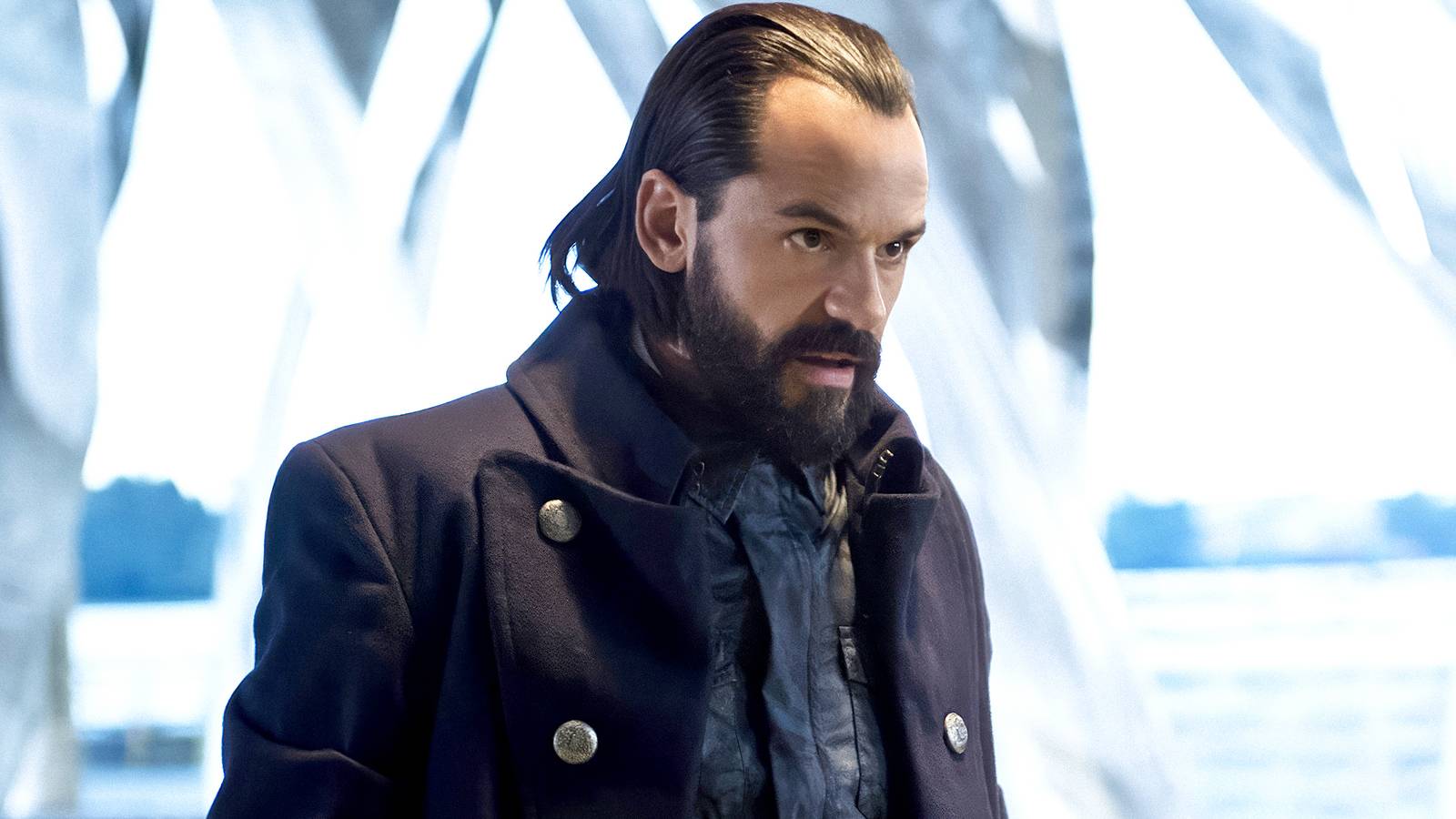
In the vast, ever-expanding multiverse of superhero television, few shows dared to be as delightfully unhinged and consistently inventive as the DC Legends of Tomorrow series. Often overshadowed by its Arrowverse counterparts, this quirky ensemble adventure truly carved out its own niche, evolving from a standard superhero spin-off into a genre-bending masterpiece that balanced high-stakes action with an unparalleled sense of humor and genuine heart. For fans and industry observers alike, a deep dive into its seven-season run reveals not just a forgotten gem, but a blueprint for how to innovate within a saturated market, offering fresh analytical perspectives on its unique legacy and the implications of its eventual, premature cancellation.
What truly set the DC Legends of Tomorrow series apart was its audacious embrace of the absurd. While other superhero shows often grappled with gritty realism or intricate lore, Legends leaned into its inherent silliness, using time travel as a narrative playground for everything from anachronistic historical figures to magical totems and even an evil sentient demon doll. This self-aware approach wasn’t a flaw; it was its superpower. The writers understood the inherent ridiculousness of superheroes saving the world every week and chose to celebrate it, creating a show that was consistently surprising and never took itself too seriously, yet always grounded its outlandish plots in meaningful character development.
At its core, the show was about a team of misfits, often described as the rejects of the Arrowverse, who found purpose and family aboard a time-traveling spaceship. Characters like Sara Lance, Ray Palmer, Mick Rory, and Zari Tomaz weren’t just archetypes; they were fully realized individuals with complex backstories, flaws, and evolving relationships. The show excelled at rotating its focus, giving every character their moment to shine, grow, and even lead. This commitment to ensemble storytelling meant that even when characters left or new ones joined, the dynamic felt fresh rather than forced, allowing the show to constantly reinvent itself without losing its identity. This fluid approach to its roster made the DC Legends of Tomorrow series a masterclass in how to manage a large cast effectively over a long run.
The character arcs were often profound, exploring themes of redemption, self-acceptance, and finding your chosen family. Mick Rory, the cynical, pyrokinetic criminal, transformed into a surprisingly tender father figure and sci-fi novelist. Sara Lance, initially defined by tragedy, became the unwavering moral compass and leader, navigating complex personal journeys alongside universe-saving missions. These transformations weren’t always linear, reflecting real human experience, which deepened the audience’s connection to this motley crew of time-traveling heroes.
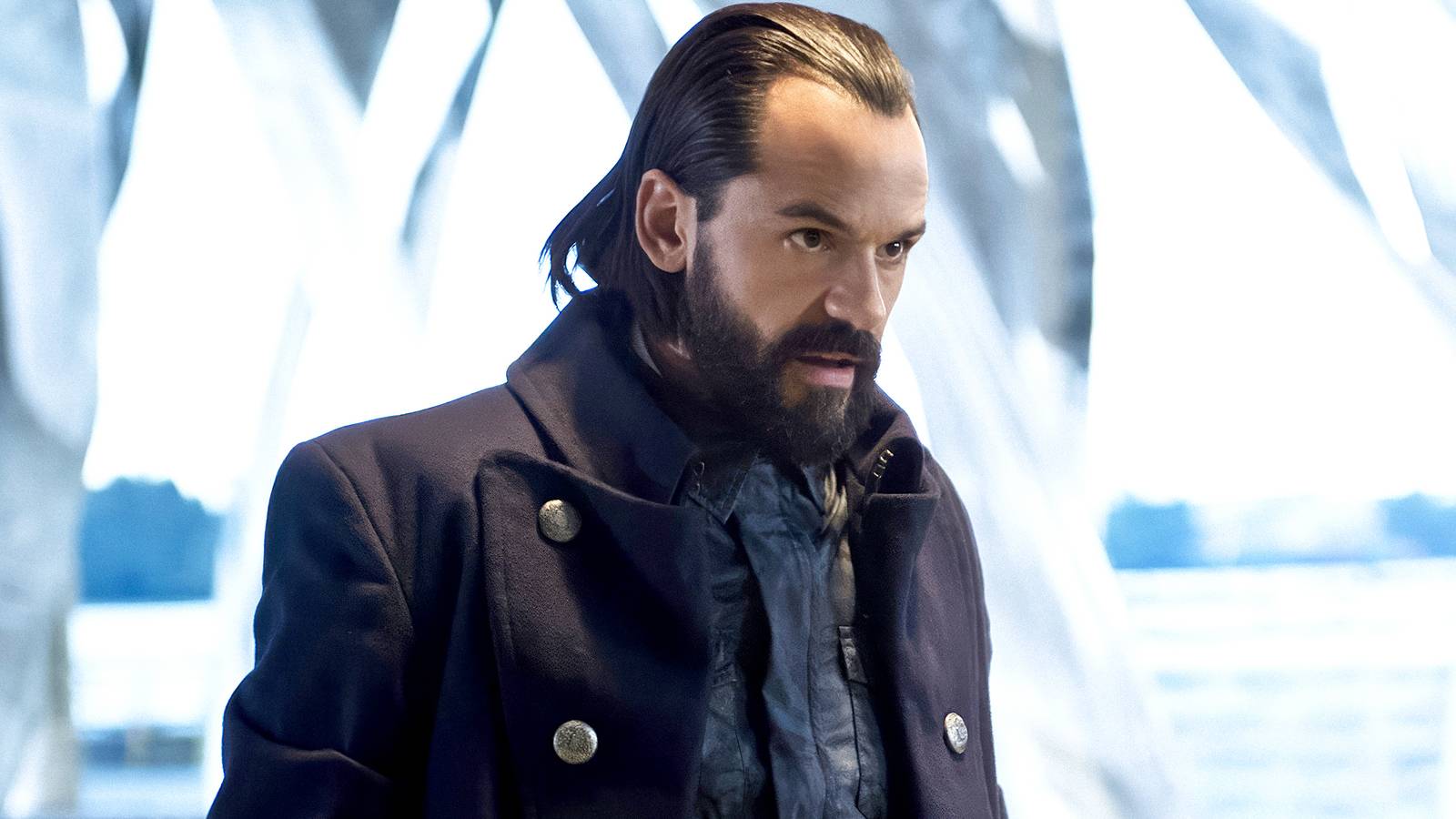
Furthermore, the show’s willingness to experiment with genre was unparalleled. One week might see the Legends battling an evil fairy godmother in a 1990s sitcom parody, the next they’d be solving a murder mystery on a futuristic reality TV show, or even confronting historical figures in absurd scenarios. This narrative flexibility kept the show from ever feeling stale, constantly pushing the boundaries of what a superhero series could be. It blended elements of sci-fi, fantasy, comedy, drama, and even musical numbers, often within the same episode, creating a truly unique viewing experience that defied easy categorization.
The unique appeal of the DC Legends of Tomorrow series wasn’t just its humor or its characters; it was its profound sense of optimism and hope. In a landscape often dominated by dark, brooding heroes and grim narratives, Legends offered a refreshing counterpoint. It celebrated joy, friendship, and the idea that even the most broken individuals can do good and make a difference. The show understood that heroism isn’t about perfection, but about trying, failing, and trying again, always with your friends by your side. This positive outlook, coupled with its consistent quality, made it a comfort watch for many, fostering a dedicated fanbase that championed its distinct voice.
Its cancellation, therefore, left a significant void. While many shows from the Arrowverse met their end, the abrupt conclusion of Legends felt particularly sharp because it was still evolving, still taking risks, and still delivering some of its strongest stories. It highlighted an industry trend where unique, niche shows, despite critical acclaim and passionate fan engagement, can be sacrificed for broader, more conventional appeal or corporate restructuring. The creative team had plans for an eighth season, promising even more bizarre and heartfelt adventures, which makes the loss even more poignant for those who appreciated its singular vision. It truly was a series that, as the title suggests, This Forgotten 7-Part Superhero Series Is Better Than You Remember.
Even after its conclusion, the legacy of the DC Legends of Tomorrow series endures. It stands as a testament to the power of creative freedom and the importance of allowing a show to find its voice, even if that voice is a bit odd. It proved that superhero narratives don’t have to be confined to a single tone or formula to be successful. Its influence can be seen in other genre shows that dare to mix humor with high stakes, and its ensemble cast remains one of the most beloved in recent superhero television history. For aspiring showrunners and writers, Legends offers a masterclass in evolving a premise, developing dynamic characters, and maintaining a playful spirit without sacrificing emotional depth.
The show’s impact extends beyond just its storytelling. It fostered a community of fans who celebrated its inclusivity, its queer representation, and its message that everyone, no matter how unconventional, has a place in the world. It wasn’t just a superhero show; it was a celebration of individuality and found family, wrapped in a glittery, time-traveling bow. The show’s ability to tackle serious themes like loss, identity, and mental health through its quirky lens made it accessible and relatable, cementing its status as more than just escapism but a genuinely impactful piece of television.
The implications for the industry are clear: there’s a hunger for shows that aren’t afraid to be different, that prioritize character and creativity over strict adherence to formula. The success of Legends, even if not always measured by traditional viewership metrics, lies in its cultural footprint and the lasting impression it made on those who watched it. It’s a reminder that sometimes, the greatest heroes are the ones who don’t fit in, and the greatest stories are the ones that dare to be truly, wonderfully weird.
The DC Legends of Tomorrow series follows a team of misfit heroes and villains from across the Arrowverse who are brought together by time traveler Rip Hunter to stop various threats to the timeline. Over its seven seasons, the team travels through history, space, and even alternate dimensions, often inadvertently causing more chaos than they prevent, but always growing as a found family.
DC’s Legends of Tomorrow ran for seven seasons, airing from January 21, 2016, to March 2, 2022. Each season typically consisted of 13 to 18 episodes, culminating in a total of 110 episodes.
The DC Legends of Tomorrow series was canceled by The CW in April 2022, alongside several other Arrowverse shows. The cancellation was largely attributed to a change in ownership at The CW, with new corporate strategies prioritizing different types of programming and budget considerations over established but niche shows.
Yes, DC’s Legends of Tomorrow is deeply connected to the broader Arrowverse. It spun off from characters introduced in Arrow and The Flash, and regularly participated in annual crossover events with those shows, as well as Supergirl and Batwoman, until its later seasons when it largely focused on its own unique narrative.