Physical Address
304 North Cardinal St.
Dorchester Center, MA 02124
Physical Address
304 North Cardinal St.
Dorchester Center, MA 02124

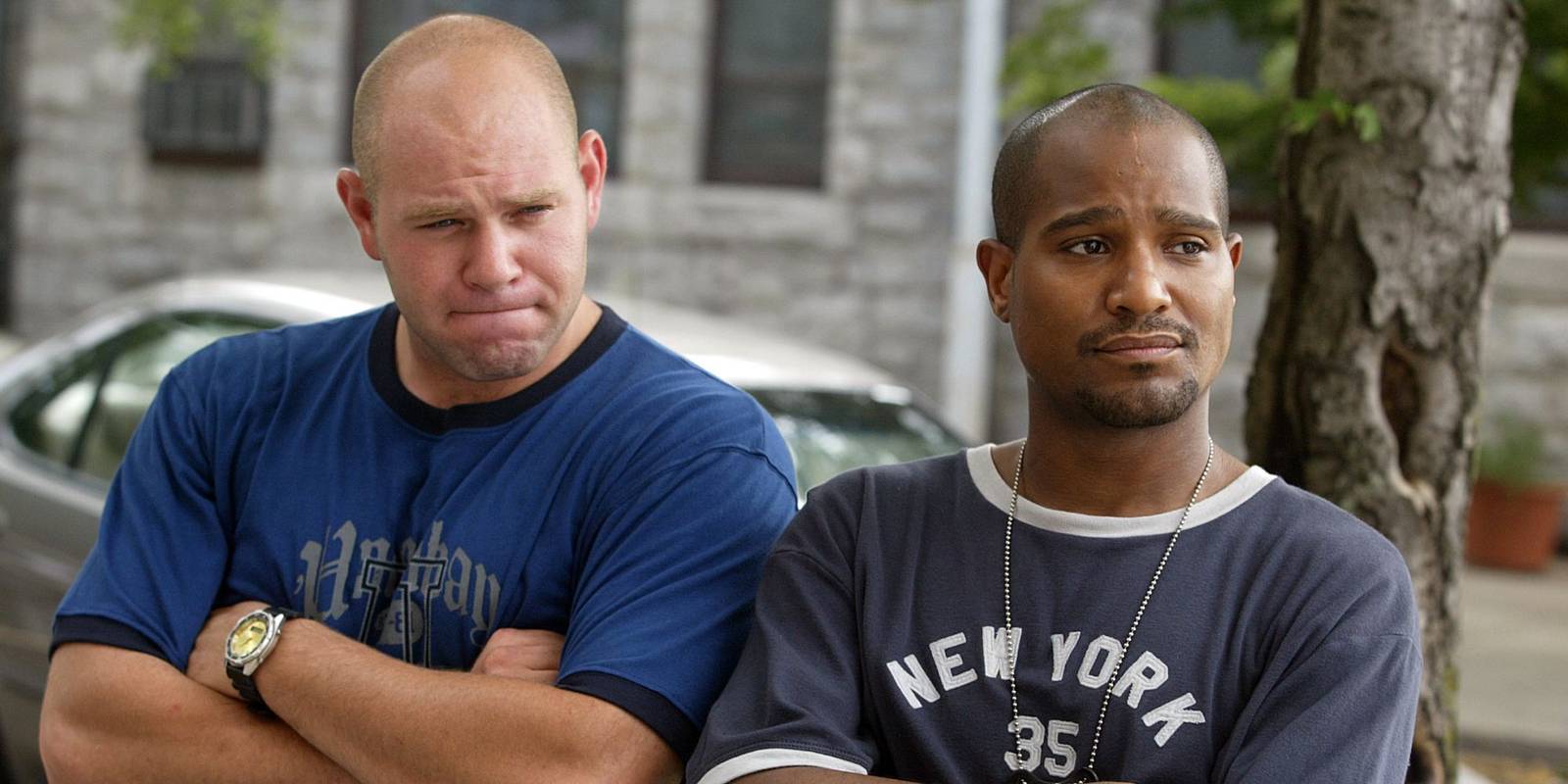
For decades, HBO has stood as a titan in the television landscape, synonymous with groundbreaking storytelling, complex characters, and production values that often rivaled feature films. When fans discuss the pinnacle of episodic content, the conversation inevitably turns to the network’s unparalleled catalog. Identifying the absolute best HBO shows isn’t just about listing critically acclaimed series; it’s about understanding the profound impact these narratives have had on both viewers and the entire entertainment industry, redefining what television could achieve.
From the moment *The Sopranos* burst onto screens, HBO signaled a seismic shift. It wasn’t just another show; it was a cultural phenomenon that legitimized television as a serious artistic medium, capable of exploring moral ambiguity with unprecedented depth. This commitment to quality over quantity became HBO’s calling card, attracting top-tier talent both in front of and behind the camera. The implications for fans were immediate and transformative: no longer were they content with episodic filler; they craved long-form narratives that rewarded close attention and sparked passionate debate. For the industry, it meant a new benchmark, forcing competitors to elevate their game and invest heavily in prestige programming.
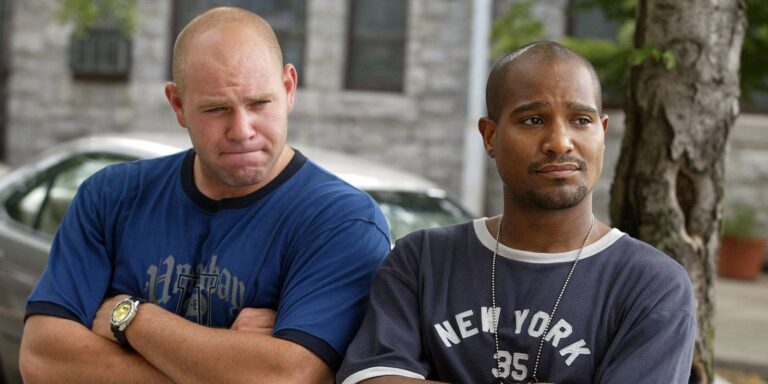
What truly sets the best HBO shows apart is their unflinching commitment to character-driven narratives and thematic complexity. Series like *The Wire*, often lauded as one of the greatest television dramas of all time, meticulously deconstructed urban institutions, offering a sprawling, systemic critique that resonated far beyond its initial run. It wasn’t about heroes and villains in the traditional sense, but about flawed individuals navigating intricate power structures. This analytical depth encouraged viewers to engage intellectually, dissecting plotlines and character motivations long after the credits rolled. The network fostered an environment where showrunners were given creative freedom, allowing them to explore difficult subjects and push narrative boundaries without the constant pressure of network censorship or advertiser demands.
This creative carte blanche led to a golden age where shows like *Six Feet Under* explored mortality and family dynamics with raw honesty, and *Deadwood* brought Shakespearean dialogue to the American frontier. Each series contributed to a growing canon of “prestige television,” a term almost synonymous with HBO itself. The network’s success demonstrated that there was a hungry audience for sophisticated, challenging content, willing to invest their time in narratives that didn’t always offer easy answers or happy endings. This elevated expectation among viewers has had a lasting impact, influencing everything from cinematic techniques in TV to the very structure of season-long arcs.
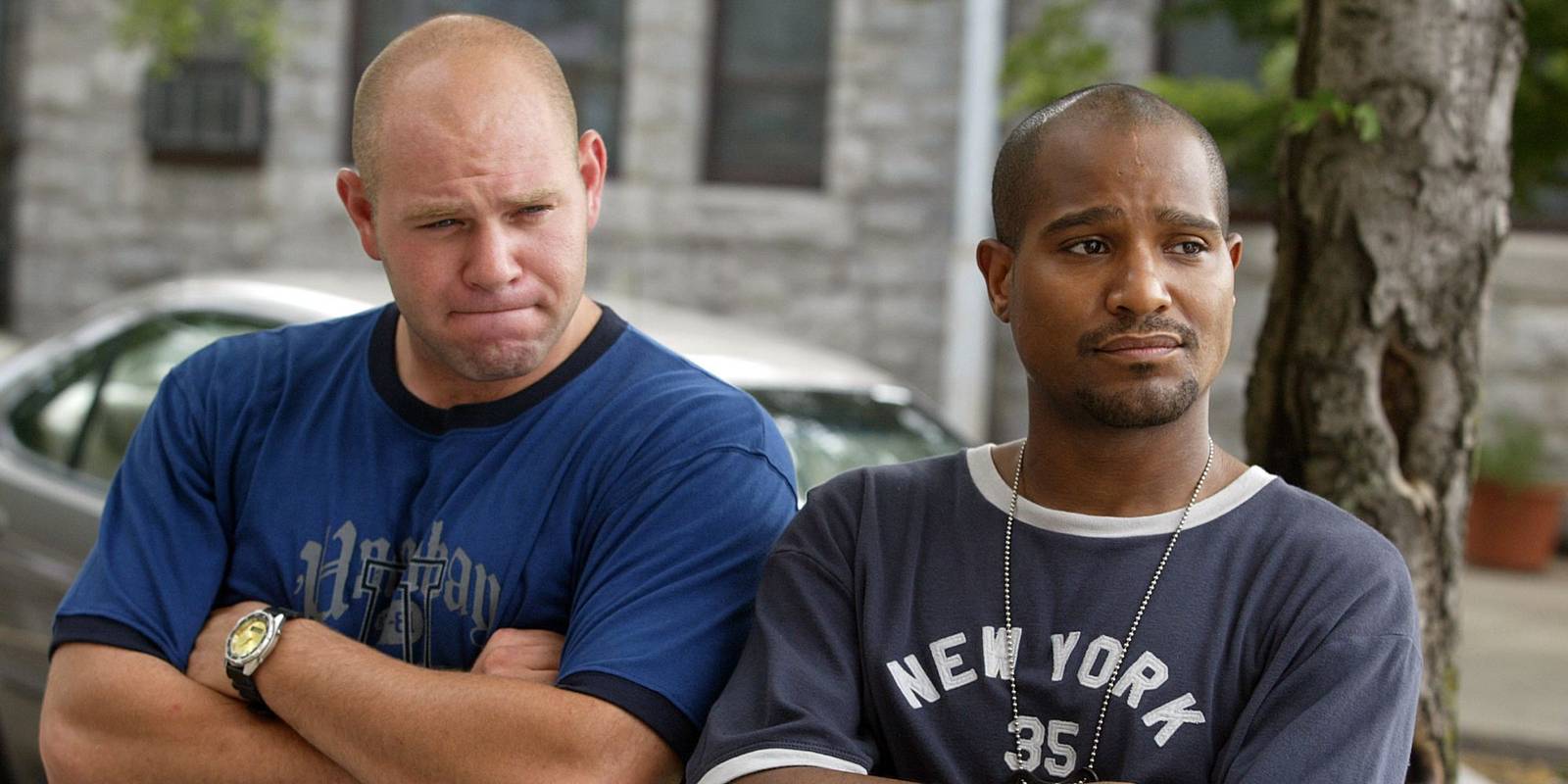
The implications for the industry were profound. HBO’s model proved that subscriptions could fund ambitious, high-quality programming, paving the way for the streaming revolution that would follow. It attracted screenwriters, directors, and actors who might previously have focused solely on film, legitimizing television as a viable and creatively fulfilling career path. The network’s consistent delivery of excellence created a competitive landscape where other channels and platforms had to aspire to similar levels of artistic merit to capture critical attention and audience share.
The evolution of storytelling on HBO is a masterclass in adapting to and shaping audience tastes. While *The Sopranos* pioneered the sympathetic anti-hero, subsequent series expanded this archetype into myriad forms. *Game of Thrones*, for instance, became a global phenomenon by blending epic fantasy with cutthroat political intrigue, subverting traditional heroic tropes at every turn. Its massive scale and intricate world-building set new standards for genre television, demonstrating that fantasy could be both critically acclaimed and immensely popular. The show’s ability to generate watercooler conversations and fan theories on an unprecedented scale showcased the power of shared cultural experiences fostered by compelling narratives. Even in the realm of comedy, shows like *Curb Your Enthusiasm* redefined situational humor with its improvisational style and fearless exploration of social etiquette.
More recently, *Succession* captivated audiences with its sharp writing, intricate power plays, and darkly comedic take on corporate America and family dysfunction. The series, which garnered numerous accolades, including multiple Emmy Awards, epitomized HBO’s continued commitment to intelligent, character-driven drama that resonates with contemporary anxieties. Its meticulous dialogue and nuanced performances cemented its status as one of the best HBO shows of its era, demonstrating that even amidst a crowded streaming landscape, HBO’s distinct voice remains potent.
The ripple effect of HBO’s success extends far beyond its own programming. The network’s consistent output of high-quality, thought-provoking content established a benchmark that fundamentally altered the television industry. Prior to HBO’s ascent, network television largely dominated, adhering to stricter guidelines and commercial breaks. HBO’s subscription model freed creators from these constraints, allowing for longer episodes, mature themes, and serialized storytelling that demanded viewer commitment. This freedom led to a creative explosion that eventually forced traditional networks and, later, streaming platforms to rethink their strategies. Suddenly, every major player in entertainment aimed to produce their own “prestige drama” to compete for critical acclaim and awards.
This competitive shift has been a net positive for viewers, resulting in an unprecedented era of television excellence across various platforms. However, it also means that the bar for entry into the “best of” conversation is higher than ever. HBO’s legacy isn’t just about its own shows; it’s about how it inspired a global pursuit of cinematic quality on the small screen. New and exciting voices continue to emerge, proving that the appetite for innovative storytelling is insatiable. For example, the acclaimed debut of Sorry, Baby: Eva Victor’s Acclaimed Debut Opens the 2025 Edinburgh Film Festival highlights how the industry continues to evolve, seeking out fresh perspectives and compelling narratives, much in the spirit HBO initially championed.
The cultural impact of the best HBO shows transcends mere viewership. These series have become integral parts of the cultural lexicon, generating endless discussions, memes, and academic analysis. Fans don’t just watch; they participate, forming online communities, dissecting every detail, and debating character choices. Shows like *Chernobyl* not only captivated audiences with its harrowing historical recounting but also sparked renewed interest in the real-world event and its implications, demonstrating television’s power to educate and provoke thought. This deep level of engagement underscores the emotional connection viewers form with these complex worlds and characters, making them feel like more than just entertainment — they become shared experiences that define moments in time.
In an increasingly fragmented and competitive streaming landscape, HBO faces the challenge of maintaining its reputation for unparalleled quality while expanding its content offerings. The network, now under the Max umbrella, continues to invest in high-profile productions, spin-offs, and limited series, aiming to capture new subscribers while satisfying its loyal fanbase. The pressure is immense, with countless platforms vying for attention, yet HBO’s brand recognition and history of excellence give it a unique advantage. The expectation remains that anything bearing the HBO name will deliver a premium viewing experience, a testament to the enduring legacy built by a string of truly perfect, no-notes television shows that changed the game forever.
The “best HBO shows” are typically characterized by their exceptional writing, complex character development, high production values, daring thematic exploration, and significant cultural impact. They often push boundaries in storytelling, cinematography, and performance, earning critical acclaim and generating widespread discussion.
HBO shows pioneered the era of “prestige television” by demonstrating that a subscription model could fund high-quality, adult-oriented dramas with cinematic scope, free from network censorship and commercial breaks. This model elevated expectations for TV content, attracted top-tier talent, and inspired other networks and streaming platforms to invest in similarly ambitious programming.
Absolutely. Many of HBO’s most acclaimed series, such as *The Sopranos*, *The Wire*, and *Game of Thrones*, are considered timeless classics. Their themes, character studies, and narrative innovations continue to influence contemporary television and remain highly rewatchable, offering new insights with each viewing.
As part of Warner Bros. Discovery’s Max platform, HBO continues to be a cornerstone for premium content. The future likely involves a balance of original flagship series, limited event series, and potentially expanding universes for popular franchises, all while striving to maintain the high standard of quality that has defined the HBO brand for decades.