Physical Address
304 North Cardinal St.
Dorchester Center, MA 02124
Physical Address
304 North Cardinal St.
Dorchester Center, MA 02124

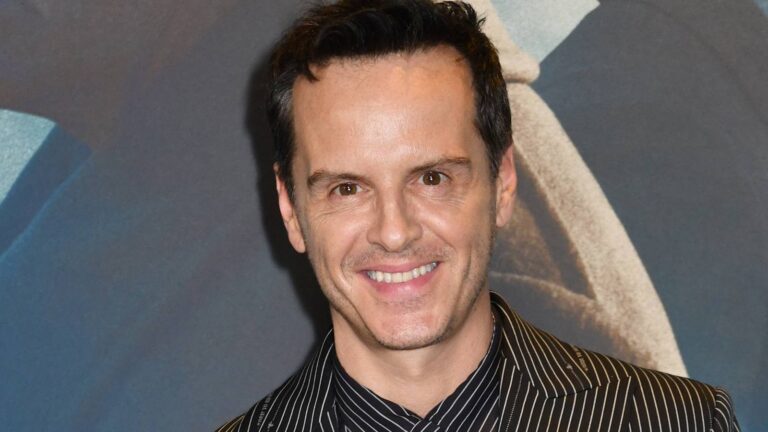
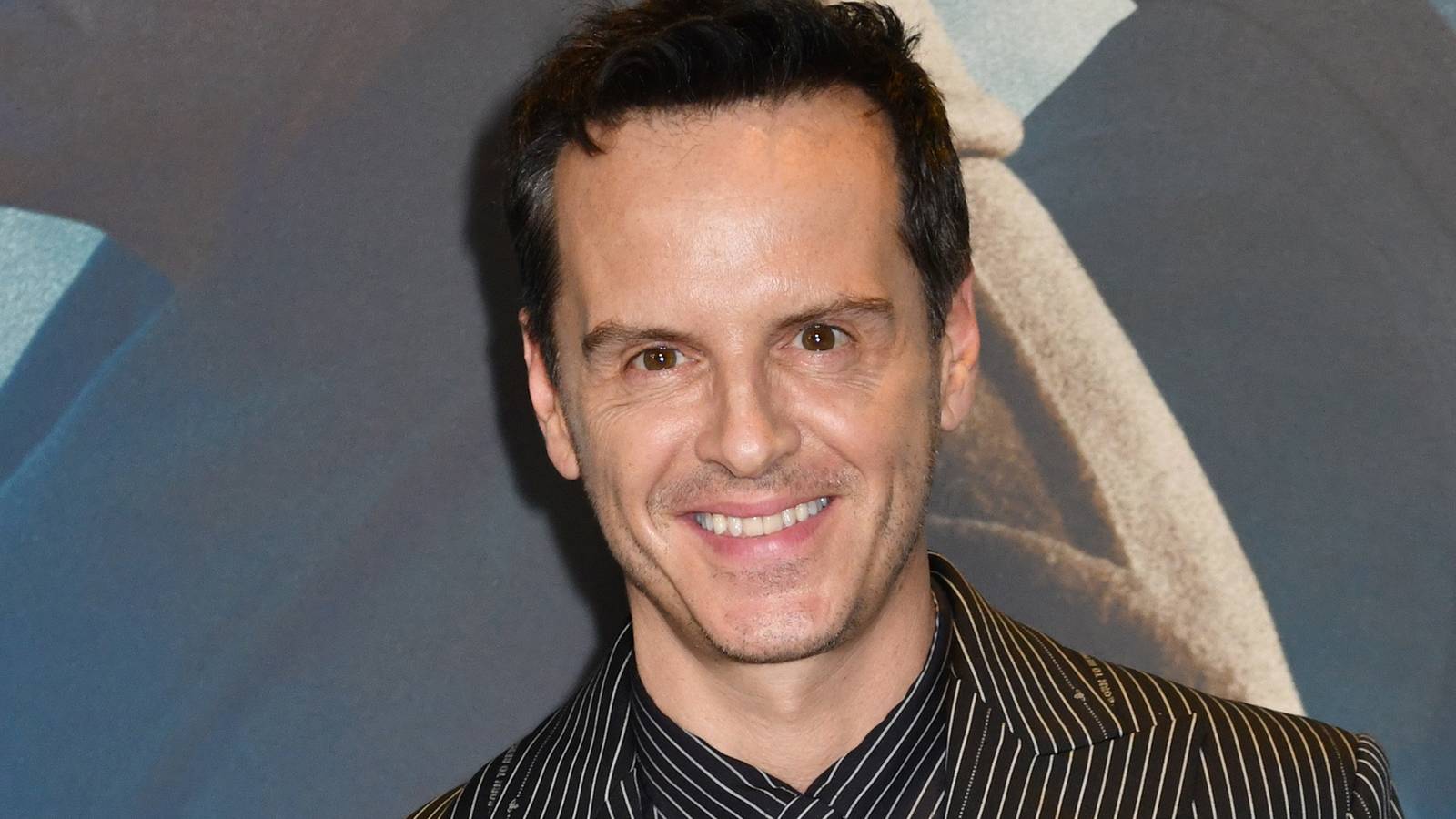
The anticipation for the upcoming Andrew Scott Elsinore movie is palpable among cinephiles and theater enthusiasts alike. Andrew Scott, known for his captivating performances across film, television, and stage, is set to portray the legendary Scottish actor Ian Charleson in a biopic titled ‘Elsinore’. This role comes with an immense weight of expectation, as Scott himself has acknowledged, delving into the life of a performer whose incandescent talent was tragically cut short. Charleson’s legacy, particularly his iconic portrayal of Hamlet, is central to this narrative, making Scott’s task not just to embody a person, but to re-interpret a performance etched into theatrical history.
The decision to greenlight the Andrew Scott Elsinore movie signals a renewed interest in the lives of influential, yet sometimes unsung, artists. Ian Charleson, a brilliant actor who graced both the stage and screen, is perhaps best remembered for his role as Eric Liddell in the Oscar-winning film ‘Chariots of Fire’ and his extraordinary, final performance as Hamlet at the National Theatre. To tackle such a figure, especially one whose career was tragically cut short by AIDS in 1990 at the age of 40, requires an actor of profound empathy and skill. Andrew Scott, with his proven range from the villainous Moriarty in ‘Sherlock’ to the heartbreakingly vulnerable Adam in ‘All of Us Strangers’, seems uniquely equipped to navigate the complexities of Charleson’s life and artistry.
Scott’s recent career trajectory has been nothing short of stellar, establishing him as one of the most compelling actors of his generation. His electrifying turn as the ‘Hot Priest’ in ‘Fleabag’ catapulted him into global recognition, showcasing his ability to blend charm, wit, and deep emotional vulnerability. More recently, his critically acclaimed performance in ‘All of Us Strangers’ has solidified his reputation as a master of nuance, capable of carrying profound emotional narratives. This rich tapestry of roles demonstrates his versatility, preparing him, perhaps, for the multifaceted challenge of ‘Elsinore’. The film isn’t just a biographical sketch; it’s an exploration of an artist’s soul, his triumphs, his struggles, and the enduring power of his work.
The core of the ‘Andrew Scott Elsinore movie’ revolves around Charleson’s seminal performance as Hamlet in Richard Eyre’s 1989 production at the National Theatre. This was a performance delivered under immense personal duress, as Charleson was already battling AIDS, a fact known only to a select few. His portrayal was lauded for its raw intensity, its profound sadness, and its poignant defiance in the face of mortality. Recreating or even evoking such a legendary, emotionally charged performance is an Everest for any actor. Scott’s challenge is not just to mimic Charleson’s physicality or vocal patterns, but to tap into the emotional wellspring that fueled that historic interpretation, understanding the intersection of the actor’s life and the character’s plight.
Scott himself has openly spoken about the “huge amount of pressure” involved in portraying Charleson, a sentiment that resonates deeply with anyone familiar with the original article, Andrew Scott Details the “Huge Amount of Pressure” of Taking on a Legend in His Upcoming Biopic. This pressure isn’t merely about historical accuracy; it’s about doing justice to a revered figure whose impact extended beyond his stage presence into the lives of those who knew him and were inspired by him. Fans of Charleson, and indeed of Shakespearean theatre, will undoubtedly scrutinize Scott’s interpretation. The delicate balance will be to honor Charleson’s memory without resorting to mere imitation, finding Scott’s own truth within the portrayal.
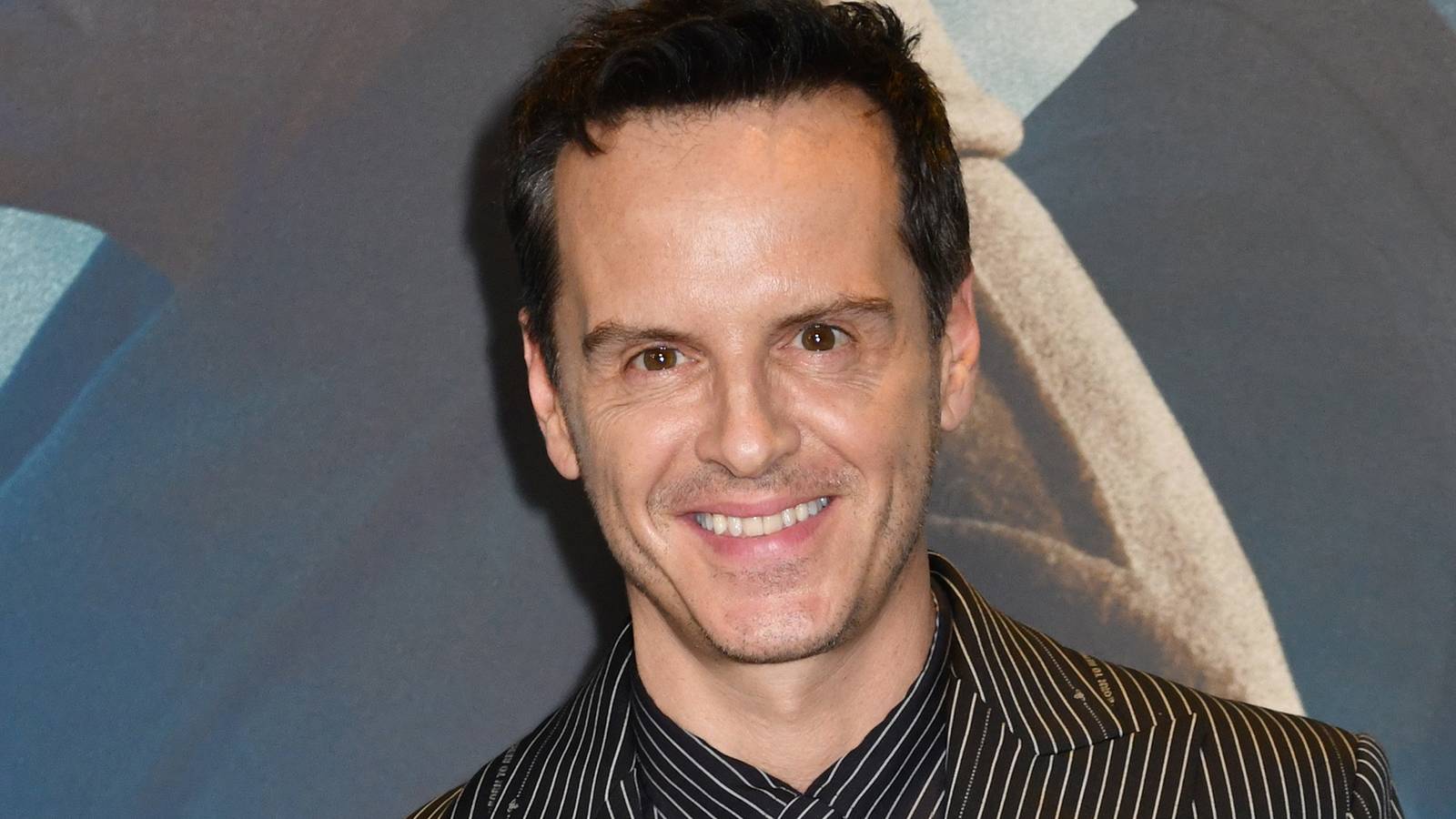
The expectations surrounding the Andrew Scott Elsinore movie extend beyond just the performance. Biopics, particularly those about beloved or tragic figures, often carry a heavy burden. They are not just entertainment; they are often seen as a final cinematic testament, a way to preserve and present a legacy to new generations. For Scott, this means navigating the fine line between historical fidelity and dramatic interpretation. The film will inevitably draw comparisons to Charleson’s actual performances, particularly ‘Chariots of Fire’, which earned him a BAFTA nomination, and his stage work, which many critics considered even more profound. Scott will need to imbue his portrayal with an authenticity that satisfies both critical observers and Charleson’s devoted admirers, a truly formidable task for any actor.
Furthermore, the film’s success will hinge not only on Scott’s performance but also on the script’s ability to provide a compelling narrative framework. A biopic can easily fall into the trap of hagiography or superficiality. ‘Elsinore’ must delve into the artistic process, the personal struggles, and the societal context of Charleson’s time, especially the devastating impact of the AIDS epidemic on the artistic community. The pressure then isn’t solely on Scott, but on the entire creative team to craft a story that is respectful, insightful, and dramatically resonant, ensuring the Andrew Scott Elsinore movie leaves a lasting impact.
Ian Charleson’s Hamlet is not just a role; it’s a theatrical legend. Performed at a time when he was privately battling a fatal illness, his interpretation brought a profound, almost prophetic, sense of urgency and vulnerability to the Prince of Denmark. Critics raved about its intensity and emotional depth, seeing in it a Hamlet for a new era. The Andrew Scott Elsinore movie must, therefore, reconstruct or at least powerfully evoke this performance. This is where Scott’s own extensive stage background will be invaluable. Having performed in numerous theatrical productions, including modern adaptations of classics, Scott understands the unique demands and ephemeral magic of live theatre.
The challenge for Scott is to convey the genius of Charleson’s Hamlet without simply re-enacting it. A great biopic captures the essence, the spirit, and the impact of a performance rather than offering a direct copy. This requires an actor to not only study the available footage and accounts but also to internalize Charleson’s artistic philosophy and personal circumstances. The film promises to offer a poignant look at how an actor channels their personal pain and impending mortality into their art, making Charleson’s Hamlet a testament to the power of human spirit and artistic resilience. This makes the Andrew Scott Elsinore movie more than just a biopic; it’s a profound meditation on art and life.
Andrew Scott’s career has been a remarkable journey, marked by a fearless embrace of diverse roles. From the charismatic yet sinister Moriarty in ‘Sherlock’ to the tender and vulnerable ‘Hot Priest’ in ‘Fleabag’, he has consistently defied easy categorization. His recent work in ‘All of Us Strangers’ further showcased his capacity for profound emotional depth, earning him widespread critical acclaim and an IMDb profile filled with accolades. Taking on Ian Charleson in ‘Elsinore’ represents a significant transformation for Scott, signaling his readiness to delve into the complex psychological landscape of a historical figure.
This role is not just another credit; it’s a statement. It positions Scott as an actor capable of carrying the weight of a biopic centered on a theatrical icon. The transition from contemporary, often witty, roles to a period piece about a real person requires a different kind of preparation and immersion. It demands a deep dive into research, an understanding of a specific era, and an empathetic connection to a life lived. This transformative journey for Scott will be fascinating to witness, as he channels his unique talent into honoring Charleson’s enduring legacy.
The allure of ‘Elsinore’ lies in its potential to illuminate not just Ian Charleson’s life, but also broader themes within the performing arts and the human experience. It’s a story about passion, dedication, the ephemeral nature of live performance, and the crushing reality of a talent cut short. In an age where art often feels commodified, a film that celebrates the profound, almost spiritual, connection an actor has with their craft and their audience is particularly resonant. The Andrew Scott Elsinore movie offers a window into the intensity of theatrical creation and the personal sacrifices involved.
Moreover, ‘Elsinore’ has the opportunity to reintroduce Ian Charleson to a new generation who might only know him from ‘Chariots of Fire’ or not at all. It can highlight his immense contributions to British theatre and cinema, cementing his place in the pantheon of great actors. By focusing on his Hamlet, the film also implicitly explores the timeless relevance of Shakespeare and the power of classical texts to speak to contemporary human conditions, especially when interpreted by an actor of Charleson’s caliber. This makes the upcoming biopic a culturally significant event.
While Andrew Scott’s portrayal of Ian Charleson will undoubtedly be the focal point, the director’s vision for ‘Elsinore’ will be crucial in shaping the narrative and tone of the film. A biopic’s success often hinges on how it balances factual accuracy with dramatic license, how it visually represents inner turmoil, and how it stages key moments from the subject’s life. The director will face the delicate task of recreating Charleson’s iconic performances, especially his Hamlet, in a way that feels authentic and impactful without turning into a mere documentary.
The directorial choices regarding pacing, cinematography, and the overall emotional arc will determine whether the Andrew Scott Elsinore movie transcends typical biographical fare to become a truly cinematic experience. The film needs to evoke the atmosphere of late 1980s London theatre, capture the raw emotion of Charleson’s personal battles, and ultimately celebrate his artistic genius. The collaboration between director and actor will be paramount in bringing Charleson’s story to life with the nuance and reverence it deserves, making ‘Elsinore’ a film that not only entertains but also profoundly moves its audience.
Andrew Scott is set to portray the acclaimed Scottish actor Ian Charleson in the upcoming biopic ‘Elsinore’. Charleson was known for his roles in films like ‘Chariots of Fire’ and for his legendary stage performances, particularly his Hamlet at the National Theatre.
The film ‘Elsinore’ is expected to focus significantly on Ian Charleson’s life and career, with a particular emphasis on his iconic and emotionally charged performance as Hamlet in 1989, which he delivered while secretly battling AIDS.
Andrew Scott has described the role as carrying immense pressure because he is portraying a beloved and legendary figure whose Hamlet performance is considered seminal. The challenge lies in doing justice to Charleson’s immense talent and tragic story, meeting high expectations from both theatre and film fans.
As of now, a specific release date for ‘Elsinore’ has not been publicly announced. Production details and timelines are still emerging, but anticipation is building for this significant cinematic tribute.