Physical Address
304 North Cardinal St.
Dorchester Center, MA 02124
Physical Address
304 North Cardinal St.
Dorchester Center, MA 02124

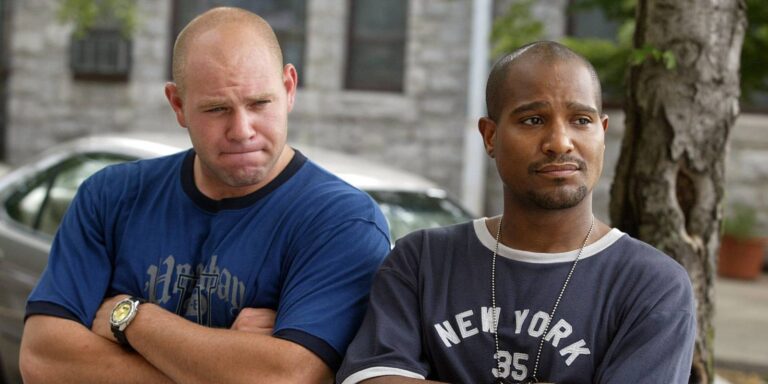
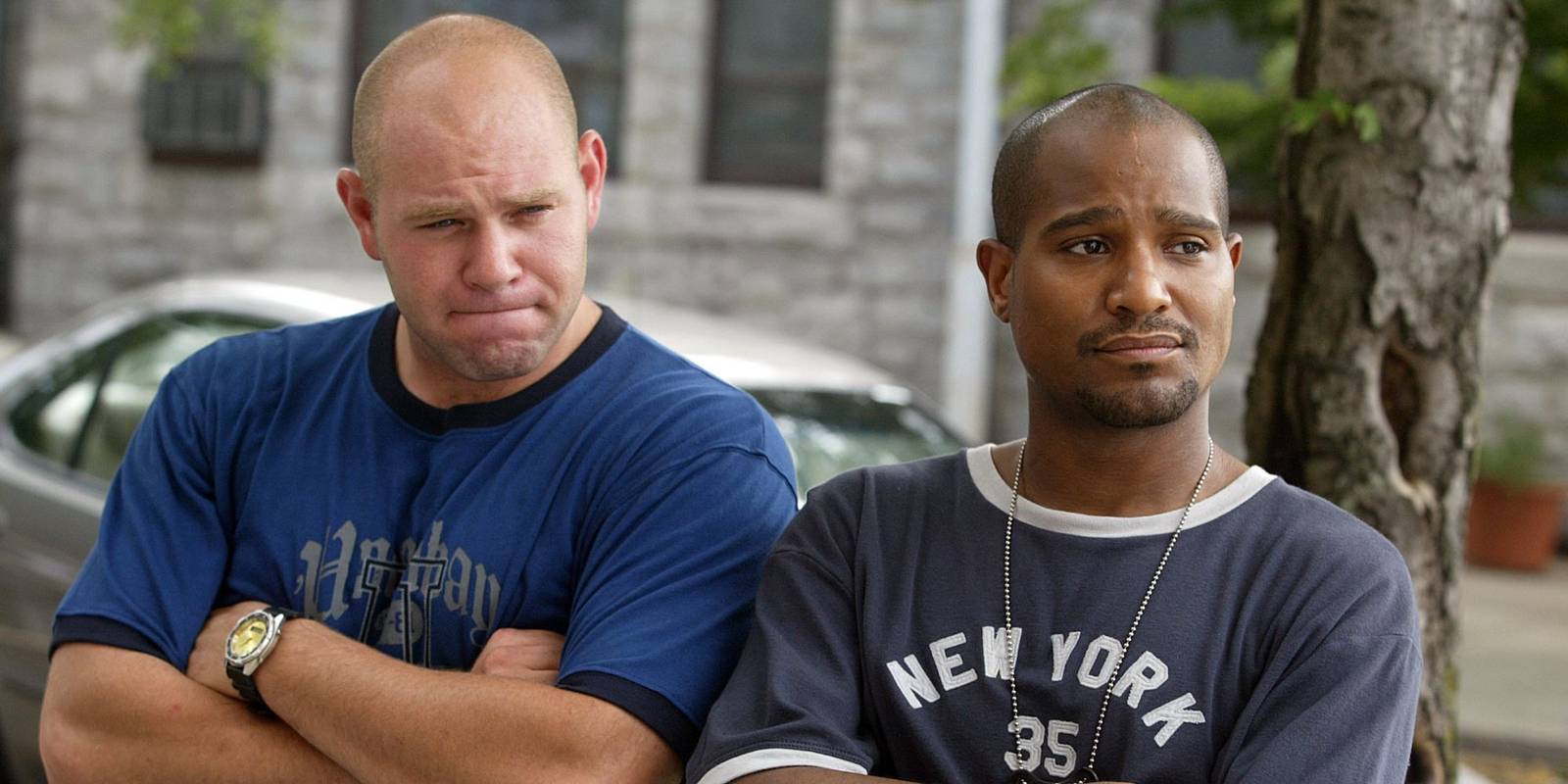
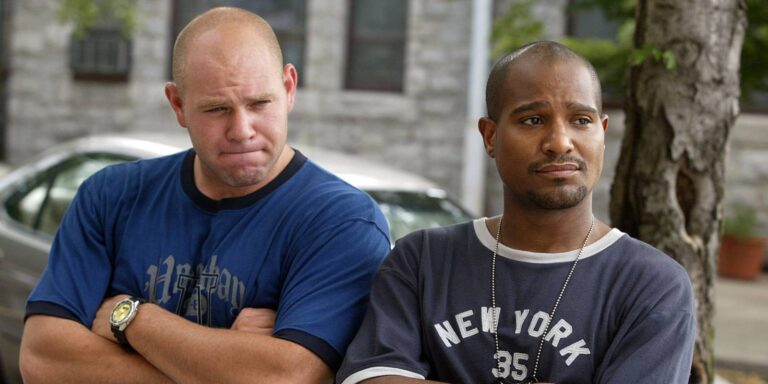
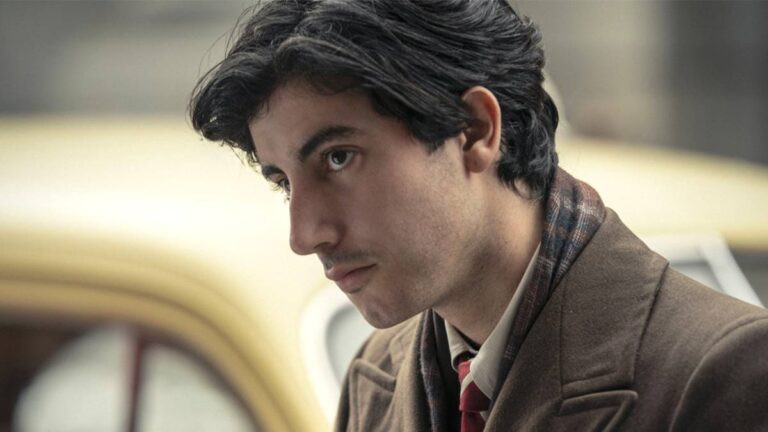
For decades, HBO has been synonymous with groundbreaking television, a network that consistently pushes the boundaries of storytelling, character development, and cinematic ambition. When fans and critics alike discuss the pinnacle of episodic entertainment, the conversation inevitably gravitates towards the **best HBO shows**. These aren’t just series; they are cultural touchstones that have redefined the medium, setting new benchmarks for quality and influencing an entire generation of content creators. From gritty crime sagas to sprawling fantasy epics and sharp-witted corporate dramas, HBO’s output has not only captivated audiences but has also profoundly reshaped industry expectations and the very definition of prestige television.
The dawn of what many call “Peak TV” can largely be attributed to HBO’s audacious programming strategy starting in the late 1990s. Before streamers saturated the market, HBO dared to invest in complex, character-driven narratives that broadcast networks shied away from due to content restrictions and commercial breaks. Shows like *The Sopranos* didn’t just introduce the anti-hero; they perfected him, offering a nuanced, deeply psychological exploration of a mob boss grappling with therapy, family, and existential dread. This series, often hailed as one of the greatest of all time, fundamentally altered how audiences perceived television, transforming it from a mere entertainment vehicle into a legitimate art form capable of profound social commentary and intricate character studies. Its critical and commercial success paved the way for a golden age, where creative freedom reigned supreme, and long-form storytelling could truly flourish.
Following in the footsteps of Tony Soprano, HBO continued to innovate with series that became instant classics and subjects of intense academic and fan discussion. *The Wire*, for instance, presented a meticulous, multi-faceted look at the institutions of Baltimore, dissecting urban decay, policing, politics, and education with unparalleled realism. It wasn’t just a crime show; it was a sociological masterpiece that challenged viewers to confront uncomfortable truths about society. Similarly, *Game of Thrones* proved that television could compete with blockbuster cinema in scale and ambition, attracting millions globally and demonstrating the immense power of serialized fantasy to unite diverse audiences around a shared cultural phenomenon. These narratives weren’t just good; they were revolutionary, demanding attention and inspiring passionate discourse long after their finales.
The network’s willingness to tackle challenging subjects and invest heavily in production values set it apart. From the raw, unflinching portrayal of addiction and youth culture in *Euphoria* to the meticulously researched historical drama of *Chernobyl*, HBO consistently demonstrated a commitment to storytelling that prioritized depth over immediate gratification. This approach cultivated a loyal viewership that trusted HBO to deliver quality, establishing a brand identity synonymous with excellence. The implications for fans were clear: television could be as intellectually stimulating and emotionally resonant as any other art form. For the industry, it meant a new standard was set, forcing competitors to elevate their own offerings or risk being left behind in a rapidly evolving landscape.
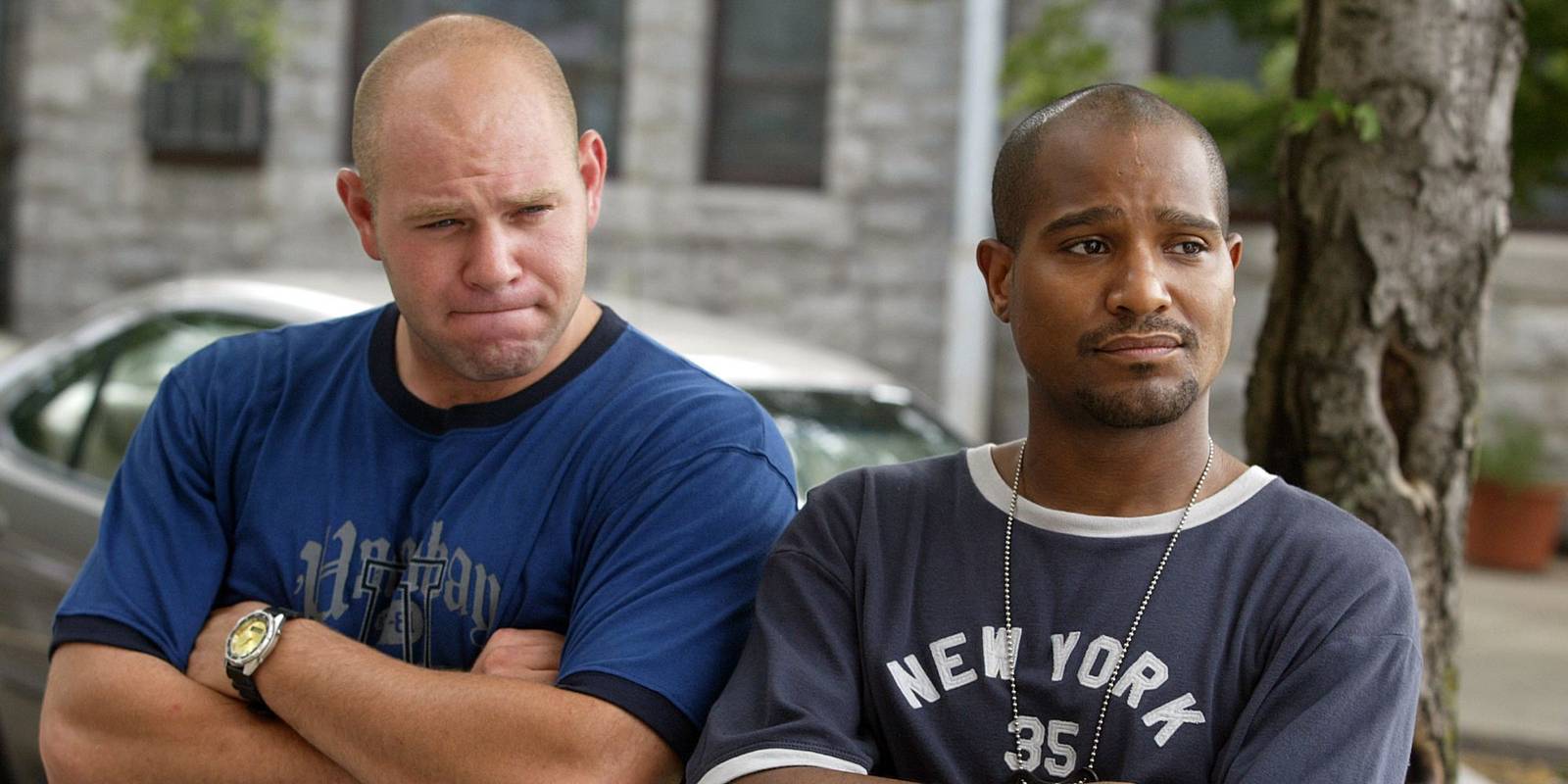
The cultural impact of the **best HBO shows** extends far beyond their initial run. They become benchmarks against which all subsequent dramas are measured. *Succession*, with its razor-sharp dialogue, Shakespearean family dynamics, and biting satire of wealth and power, became an instant critical darling and a watercooler sensation. It reflected contemporary anxieties about corporate greed and dynastic power struggles, offering a mirror to society while entertaining with its darkly comedic brilliance. The discussions surrounding its characters, its plot twists, and its ultimate resolution dominated social media and critical analyses, showcasing the enduring power of well-crafted television to spark meaningful conversations. For a deeper dive into how these shows are shaping the crime genre, you might be interested in 10 HBO Shows That Are 10/10, No Notes.
Even more recently, adaptations like *The Last of Us* have shown HBO’s continued ability to transcend genre and source material, delivering emotionally resonant stories that appeal to both existing fans and newcomers. The show’s exploration of humanity in a post-apocalyptic world, coupled with its nuanced character performances, resonated deeply, proving that even well-known stories can be elevated through HBO’s distinctive touch. This sustained commitment to quality has not only kept HBO at the forefront of the prestige television conversation but has also made it a magnet for top-tier talent, from writers and directors to actors, all eager to work on projects that promise creative freedom and critical recognition.
What makes these shows endure? It’s a combination of factors: uncompromising vision, character complexity, cinematic aesthetics, and a willingness to embrace ambiguity. HBO’s early success with shows like *Oz* demonstrated that audiences were ready for darker, more morally gray narratives. This paved the way for the groundbreaking work in *The Sopranos*, which revolutionized the anti-hero archetype. Viewers became accustomed to protagonists who were deeply flawed, yet undeniably compelling. This shift allowed for a more realistic and psychologically rich portrayal of human nature, moving beyond simplistic good-versus-evil narratives.
The network’s investment in showrunners with distinct artistic voices has also been key. Rather than micromanaging, HBO has often empowered creators to execute their visions, leading to unique and often challenging series. This creative autonomy has resulted in a diverse slate of programming, from the intricate world-building of *House of the Dragon* to the gritty realism of *The Deuce*. The enduring appeal lies in their rewatchability and their capacity to provoke thought long after the credits roll. They are not merely escapism; they are cultural artifacts that invite repeated analysis and discussion, solidifying their place in television history.
A hallmark of the **best HBO shows** is their unparalleled commitment to character development. Whether it’s the internal struggles of Tony Soprano (IMDb), the moral compromises of Detective Jimmy McNulty in *The Wire* (Rotten Tomatoes), or the Machiavellian machinations of the Roy family in *Succession* (The Hollywood Reporter), these series delve deep into the human psyche. They explore motivations, flaws, and the complex interplay of relationships with a level of detail rarely seen elsewhere. This focus has taught the industry valuable lessons: audiences crave depth, authenticity, and characters they can invest in, even if those characters are morally ambiguous or deeply flawed.
This character-first approach ensures that even when plots are intricate or settings are fantastical, the emotional core remains relatable and compelling. It’s why audiences mourned beloved characters in *Game of Thrones* or felt the weight of every ethical dilemma in *Chernobyl*. The implications for other networks and streamers are profound: simply having a big budget isn’t enough; it’s the investment in compelling, multi-dimensional characters and the talent to bring them to life that truly resonates and creates a lasting legacy. HBO’s ability to consistently deliver this has cemented its reputation and set a high bar for all who aspire to create truly great television.
The best HBO shows are characterized by their exceptional writing, complex character development, high production values, cinematic quality, and willingness to tackle challenging themes. They often push narrative boundaries, offer profound social commentary, and leave a lasting cultural impact, sparking widespread discussion and critical acclaim.
HBO shows have profoundly impacted the television industry by elevating the medium to an art form, popularizing the anti-hero, increasing budgets for episodic content, attracting A-list talent, and setting a new standard for prestige television. They forced other networks and streamers to invest in more ambitious, high-quality programming to compete.
While opinions vary, series consistently ranked among the greatest of all time include *The Sopranos*, *The Wire*, *Game of Thrones*, *Succession*, *Chernobyl*, and *Six Feet Under*. These shows are celebrated for their innovative storytelling, critical reception, and enduring cultural significance.
Despite increased competition from streaming services, HBO continues to produce acclaimed and impactful series like *House of the Dragon*, *The Last of Us*, and *The White Lotus*. Its commitment to quality, creative freedom for showrunners, and discerning curation suggest it will remain a significant force in delivering groundbreaking television.