Physical Address
304 North Cardinal St.
Dorchester Center, MA 02124
Physical Address
304 North Cardinal St.
Dorchester Center, MA 02124

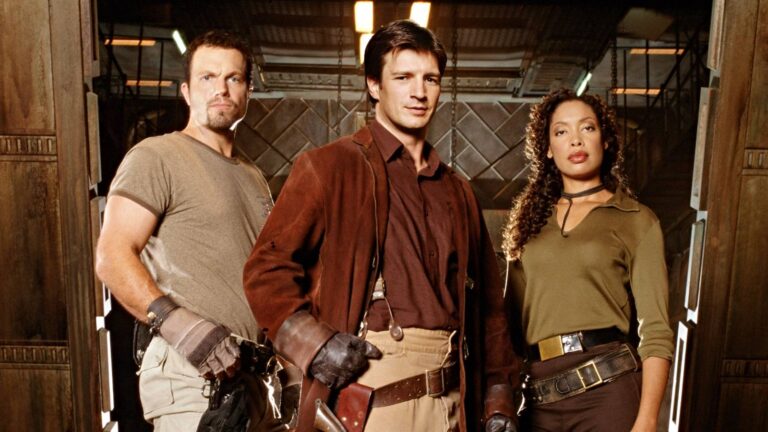
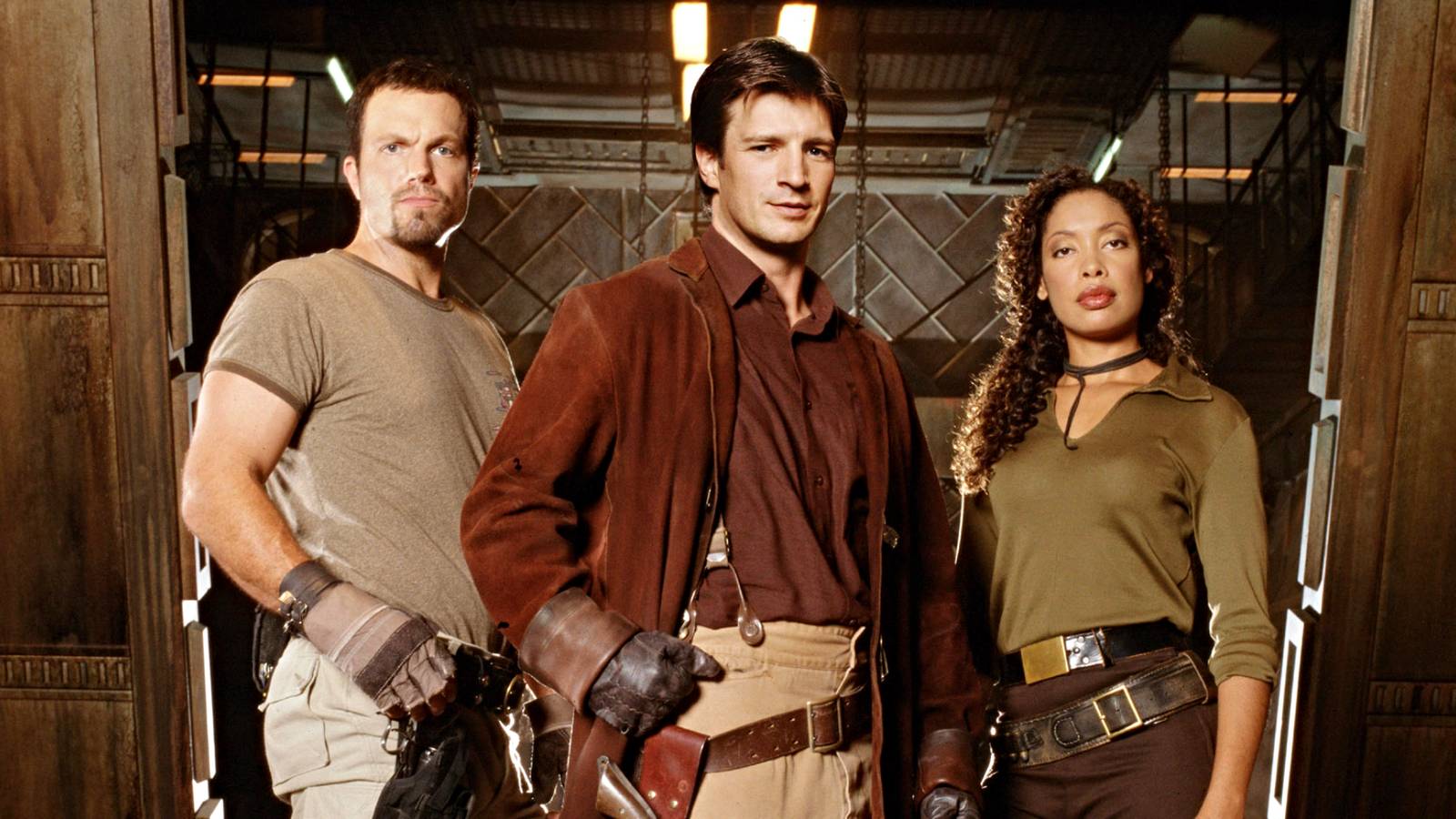
For fans of Joss Whedon’s cult classic sci-fi western, *Firefly*, every whisper of a potential return sends ripples of excitement through the ‘Verse. Recently, the ever-charming Nathan Fillion, who famously portrayed Captain Malcolm Reynolds, offered a significant update on the Firefly animated series. While his confirmation that the project is still in development might initially spark joy, the accompanying caveat — that it currently lacks a network or streaming platform — reveals a major roadblock. This news isn’t just a minor blip; it offers a stark, analytical look at the complex journey of resurrecting beloved franchises in a cutthroat entertainment landscape, leaving fans to ponder what this protracted limbo truly means for the future of their favorite crew.
The original *Firefly* series, despite its tragically short run of 14 episodes in 2002, left an indelible mark on science fiction. Its unique blend of gritty space opera, Western aesthetics, and compelling character development fostered an intensely loyal fanbase, affectionately known as Browncoats. This devotion has sustained the franchise through comics, a feature film (*Serenity*), and an enduring legacy that far outstrips its initial broadcast performance. The very idea of an animated revival, allowing for creative freedom unburdened by live-action logistics and actor availability, has long been a dream for many, promising a fresh yet familiar return to the adventures of the Serenity crew.
When news of an animated series first surfaced, the collective gasp of anticipation was palpable. The prospect of seeing Mal, Zoe, Wash, Inara, Kaylee, Jayne, Simon, River, and Shepherd Book brought back to life through animation, potentially with original cast members lending their voices, ignited hopes that the ‘Verse would finally expand in a meaningful way. Animation offers a canvas for storytelling that can transcend the budgetary and practical constraints of live-action, allowing for more expansive worlds, wilder creature designs, and action sequences that could push the boundaries of imagination. This promise made the animated series seem like the perfect vehicle for a true *Firefly* renaissance.
However, Fillion’s recent remarks underscore the harsh realities of Hollywood. While the creative engine might be humming, the commercial engine remains stalled. The project is effectively in “development hell,” a common purgatory for many promising concepts. It means scripts are being written, character designs are being fleshed out, and perhaps even voice work is being considered, but without a distributor, all that effort remains hypothetical. This isn’t a cancellation, but it’s far from a greenlight, placing the future of ‘Firefly’s Long-Awaited Return Officially Hits a Major Roadblock’ in a precarious state of suspended animation.
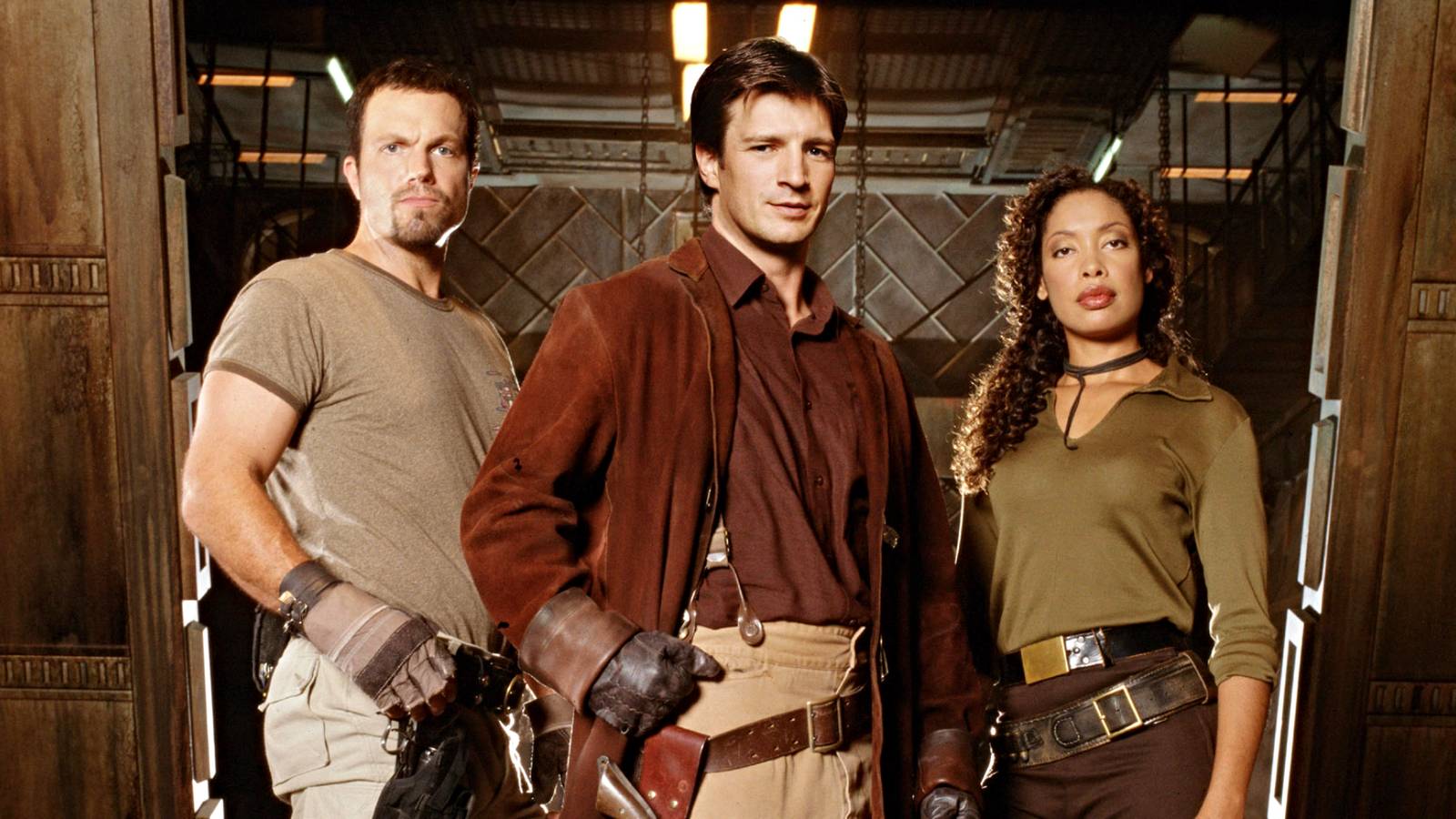
The latest Firefly animated series update from Nathan Fillion serves as a stark reminder that passion projects, even those with significant fan backing and established IP, face immense hurdles in today’s crowded media landscape. The journey from concept to screen is fraught with financial, logistical, and strategic challenges, particularly when vying for a spot on a major network or streaming platform. For a show like *Firefly*, which has always occupied a niche, albeit fervent, corner of pop culture, finding a home requires a specific kind of champion—one willing to invest not just in the IP, but in the fan loyalty it commands. The fact that the series is still “in development” is a testament to the enduring belief in the concept, but the absence of a platform highlights the cold, hard economic realities that dictate what gets made and what languishes.
The current status of the *Firefly animated series* is a classic case of development hell, a phenomenon all too common in Hollywood. For a project to move from concept to production, it needs a green light, which essentially means a network or streaming service has committed to funding and distributing it. This commitment is not given lightly. Platforms assess a myriad of factors: the projected budget versus potential viewership, the alignment with their existing content strategy, competition from other projects, and the overall market saturation. For a *Firefly animated series*, while its cult status is an asset, it can also be a liability. Is the existing fanbase large enough to justify a significant investment? Does it appeal to new demographics? Can it compete with established animated giants or other high-profile revivals? These are the questions executives are asking, and without compelling answers, even a beloved property can remain in limbo. The intricate dance between creative vision and corporate bottom lines often leaves projects like this in a protracted state of uncertainty, endlessly refined but never launched.
Finding a home for the *Firefly animated series* in the current streaming wars is a complex strategic puzzle. Each major platform has its own distinct identity and acquisition strategy. Disney+, for instance, prioritizes family-friendly content and its own massive Star Wars and Marvel IPs, making a gritty sci-fi western a potentially awkward fit, though its “Star” section internationally might be an option. Max (formerly HBO Max) has a history with genre content and adult animation, making it a plausible contender, especially given Warner Bros.’ past involvement with the franchise. Netflix, known for its vast original animation output, could be interested in a pre-existing IP with a built-in audience, but their data-driven approach means every acquisition is heavily scrutinized. Amazon Prime Video, with its growing slate of ambitious genre series, also represents a strong possibility. The challenge lies in convincing one of these giants that the investment in a *Firefly animated series* will yield sufficient subscriber growth and retention to justify the cost. The show’s unique tone and demographic appeal require a platform that understands and values its specific niche, rather than trying to force it into a more mainstream mold.
This latest *Firefly animated series update* presents a bittersweet reality for the dedicated Browncoats. On one hand, the confirmation that it’s still “in development” means the dream isn’t dead; there’s still a spark of hope. On the other hand, the lack of a platform signifies that the dream is far from realized. This continuous cycle of hope and delay can be emotionally taxing for fans who have waited nearly two decades for more adventures in the ‘Verse. It forces a recalibration of expectations: instead of anticipating an imminent announcement, fans must settle back into a patient, perhaps even weary, waiting game. The risk is that prolonged uncertainty can lead to fan fatigue, where even if a platform is eventually secured, some of the initial fervor might have waned. It also highlights the disconnect between fan passion and industry practicality, reminding enthusiasts that even their collective voice, while powerful, doesn’t always guarantee a clear path to production.
Nathan Fillion’s continued championing of the *Firefly animated series* is incredibly significant. As the face of Captain Mal Reynolds, his enthusiasm and ongoing involvement lend immense credibility and star power to the project. Fillion isn’t just an actor; he’s a beloved figure within the sci-fi community, known for his genuine affection for the roles he plays and his connection with fans. His willingness to provide updates, even when they’re not entirely positive, demonstrates his commitment to the ‘Verse and his desire to see it continue. For potential platform executives, having Fillion attached, even just as a voice actor and advocate, adds a layer of reassurance and marketability. It signals that the project isn’t just a cynical cash grab, but something that genuinely excites those who helped make the original series so special. His persistence is a beacon of hope for fans, suggesting that as long as he believes in it, the possibility remains open, keeping the dream of ‘Firefly’s Long-Awaited Return Officially Hits a Major Roadblock’ alive.
Ultimately, the latest word on the *Firefly animated series* is a complex message. It’s a testament to the enduring power and potential of the franchise that it’s still being actively developed, with key figures like Nathan Fillion openly discussing its progress. Yet, it also serves as a stark reminder of the harsh realities of the entertainment industry, where even the most beloved IPs must fight tooth and nail for a spot on a network or streaming service. For the Browncoats, the wait continues, a testament to their unwavering loyalty to a show that burned brightly, if briefly. The ‘Verse remains uncharted in animation, but as long as the creative fires are stoked, and advocates like Fillion keep the flame alive, hope for a return to the Serenity, in whatever form, will continue to glimmer.
Yes, according to Nathan Fillion, the *Firefly animated series* is still actively in development. This means that creative work, such as writing and concept art, is ongoing, but the project has not yet received a full green light for production.
The primary roadblock for the *Firefly animated series* is securing a network or streaming platform to fund and distribute the show. While the creative team is working on the project, no major platform has yet committed to picking it up.
Reviving *Firefly* is challenging due to several factors: its cult status means a dedicated but potentially niche audience, making platforms wary of significant investment; competition in the crowded streaming market; and the need for a network or streamer that aligns with its unique sci-fi western tone and demographic.
Potential homes for the *Firefly animated series* could include streamers like Max (due to its history with genre and adult animation), Amazon Prime Video (known for ambitious genre series), or possibly Netflix, given its vast animation output. The key will be finding a platform willing to invest in a beloved but niche IP.