Physical Address
304 North Cardinal St.
Dorchester Center, MA 02124
Physical Address
304 North Cardinal St.
Dorchester Center, MA 02124

The 1970s stand as an undeniable crucible in the evolution of rock music, a decade where the genre not only diversified into a myriad of sub-styles but also solidified its position as a dominant cultural force. From the raw energy of punk to the elaborate orchestrations of progressive rock, and the stadium-filling anthems of classic rock, the period produced an astonishing number of legendary records. Deciphering the best 1970s rock albums isn’t merely an exercise in nostalgia; it’s an exploration of how artists responded to a turbulent world, pushed creative boundaries, and ultimately, redefined what popular music could be. This era witnessed a seismic shift from the idealism of the 60s to a more introspective, often cynical, yet incredibly fertile ground for musical innovation, leaving an indelible mark on the industry and legions of fans worldwide.
The dawn of the 1970s saw rock music grappling with its identity. The counter-culture fervor of the 60s had waned, giving way to a more fragmented, complex landscape. Bands like Led Zeppelin and Black Sabbath laid the groundwork for hard rock and heavy metal, injecting raw power and a darker sensibility. Led Zeppelin’s untitled fourth album (often referred to as Led Zeppelin IV, 1971) exemplified this, blending mystical folk elements with crushing riffs, producing timeless tracks like “Stairway to Heaven” that transcended radio play to become cultural touchstones. Simultaneously, artists like Carole King with Tapestry (1971) showcased a more intimate, singer-songwriter approach, highlighting the decade’s capacity for both bombast and introspection.
As the decade progressed, the sheer ambition of rock music escalated. Progressive rock bands, spearheaded by groups like Pink Floyd, Yes, and Genesis, crafted elaborate concept albums that pushed the boundaries of musical structure and lyrical depth. Pink Floyd’s The Dark Side of the Moon (1973) stands as a monumental achievement, not just for its commercial success but for its philosophical themes, innovative production, and timeless soundscapes. It demonstrated that rock could be an art form capable of exploring profound human experiences, resonating with a generation searching for meaning in an increasingly complex world. This era wasn’t just about catchy singles; it was about the album as a complete artistic statement.
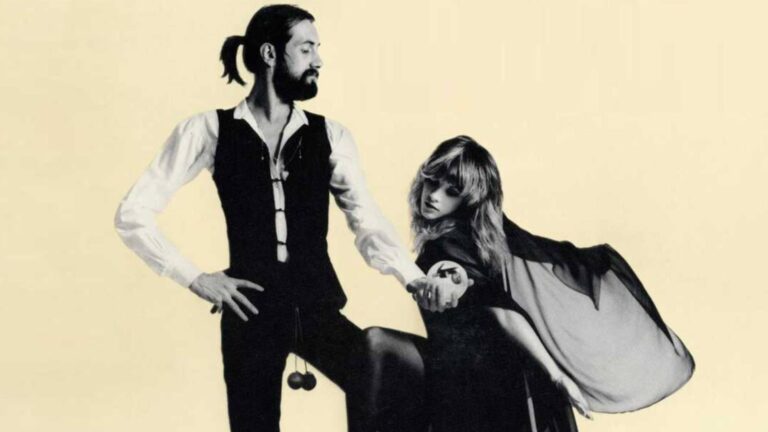
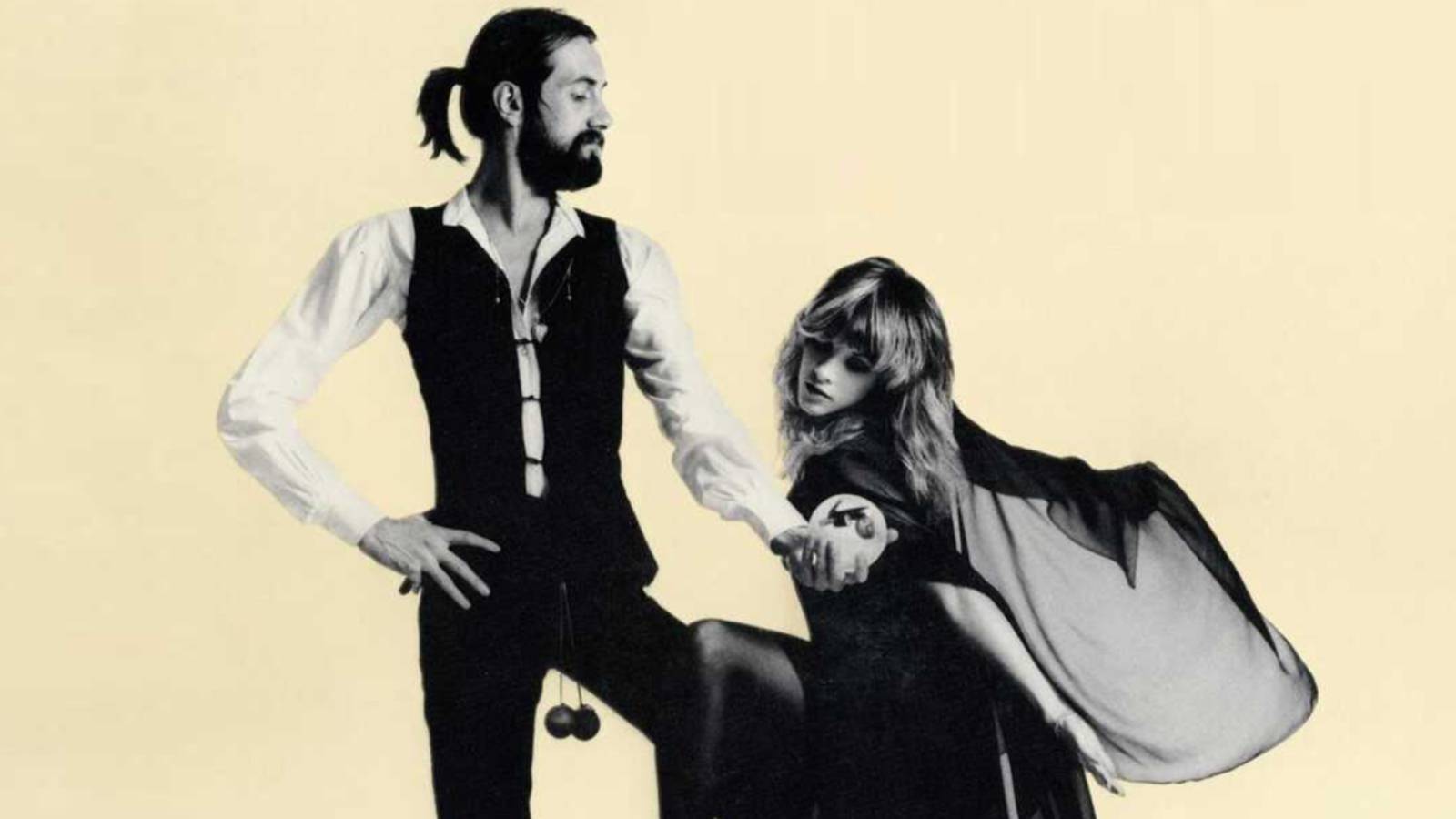
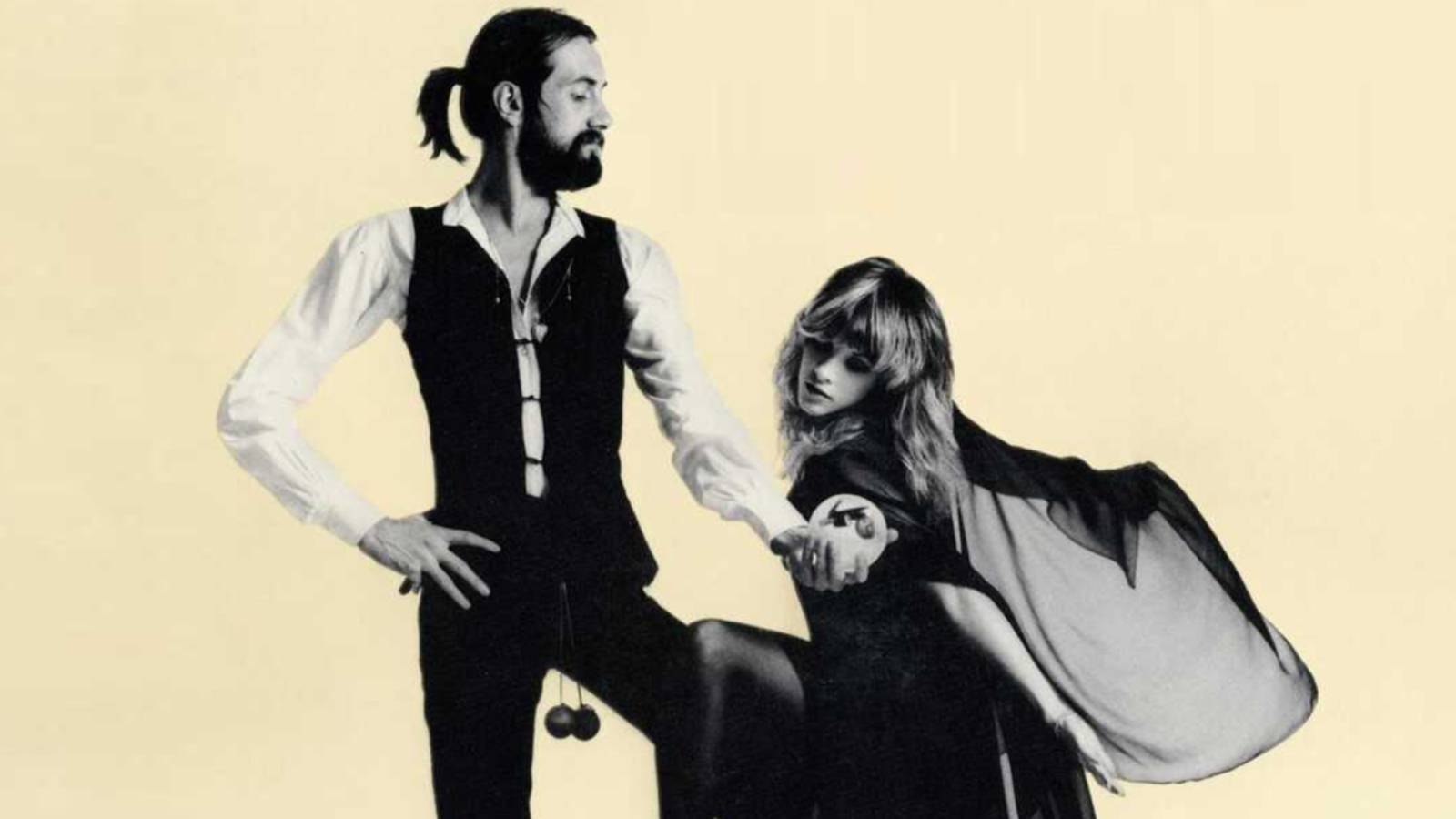
Mid-decade brought forth a new wave of rock titans who mastered the art of melding intricate musicianship with widespread appeal. Queen’s A Night at the Opera (1975) is a prime example, showcasing the band’s unparalleled versatility, theatricality, and Freddie Mercury’s iconic vocal prowess. From the operatic grandeur of “Bohemian Rhapsody” to the poignant ballad “Love of My Life,” the album was a masterclass in genre-bending spectacle. Similarly, Fleetwood Mac’s Rumours (1977) captured the emotional turmoil of intra-band relationships, transforming personal heartbreak into universally relatable pop-rock anthems, becoming one of the best-selling albums of all time and a testament to the power of lyrical honesty backed by impeccable melodies.
The latter half of the 1970s also witnessed the explosive birth of punk rock, a visceral rejection of the perceived excesses and pretension of mainstream rock. Bands like the Sex Pistols with Never Mind the Bollocks, Here’s the Sex Pistols (1977) and The Clash with London Calling (1979) tore down established conventions, advocating for simplicity, speed, and raw emotion. While initially controversial, punk’s defiant spirit and DIY ethos had a profound ripple effect, inspiring countless artists and paving the way for new wave and alternative rock in the following decades. This sub-genre, though often starkly different from its progressive rock counterparts, undeniably contributed to the rich tapestry of the best 1970s rock albums.
What truly defined the best 1970s rock albums wasn’t merely their chart performance, but their enduring artistic merit and cultural impact. Albums like The Eagles’ Hotel California (1976) transcended its catchy title track to offer a scathing critique of the American dream, wrapped in impeccably crafted West Coast rock. Its themes of excess, disillusionment, and the pursuit of superficial pleasures resonated deeply, showcasing rock’s ability to be both commercially successful and intellectually stimulating. These albums weren’t just collections of songs; they were carefully curated narratives, often designed to be listened to as a cohesive whole, from start to finish. The album format truly came into its own during this period, offering artists a broader canvas for expression.
The production values of 1970s rock albums also reached new heights. Advances in recording technology allowed for greater sonic experimentation and fidelity. Producers became increasingly integral to the creative process, shaping sounds and textures that were previously unimaginable. Engineers like Alan Parsons (working on The Dark Side of the Moon) and Ken Scott (with David Bowie and Supertramp) helped sculpt iconic soundscapes, transforming studio wizardry into an art form. This meticulous attention to detail in the studio contributed significantly to the lasting quality and sonic richness of these records, making them enduring classics that still sound vibrant decades later.
The 1970s were a decade of immense social and political change, and rock music often served as a mirror, and sometimes a megaphone, for these shifts. From the post-Vietnam malaise to rising inflation and the burgeoning environmental movement, artists channeled the collective anxieties and aspirations of a generation. Bruce Springsteen’s Born to Run (1975), for instance, captured the struggles and dreams of working-class America with poetic realism and anthemic fervor, establishing him as “The Boss” and a voice for the everyman. These albums didn’t just entertain; they provided a soundtrack to life, offering solace, rebellion, and a sense of shared experience.
The emergence of arena rock also signaled a profound change in the live music experience. Bands like KISS and Queen transformed concerts into theatrical spectacles, complete with elaborate stage sets, pyrotechnics, and a focus on audience engagement. The albums that fueled these tours became iconic, selling millions and cementing the idea of rock stars as larger-than-life figures. This era cemented the symbiotic relationship between recorded music and live performance, with albums serving as essential conduits to the communal energy of a rock concert. For a deeper dive into these yearly triumphs, one might consult resources like The Best Rock Album of Every Year of the 1970s.
While mainstream success often defines an album’s initial impact, many of the best 1970s rock albums earned their legendary status through critical acclaim and enduring influence, sometimes regardless of immediate chart positions. Albums like Television’s Marquee Moon (1977) may not have topped the charts, but its intricate guitar interplay and intellectual lyrics profoundly influenced the burgeoning alternative rock scene. Similarly, albums from artists like David Bowie (e.g., Low, 1977) continued to push artistic boundaries, challenging listeners and inspiring subsequent generations to experiment with sound and persona.
The diverse landscape of the 70s also allowed for niche genres to flourish and gain significant followings. From the psychedelic experimentation of krautrock bands like Can and Neu! to the nascent sounds of new wave pioneers, the decade was a hotbed of innovation that extended far beyond the mainstream. These albums, while perhaps not universally recognized at the time, contributed significantly to the decade’s rich musical tapestry and are now celebrated as influential masterpieces. Their legacy demonstrates that true artistic impact is not always measured by sales figures alone but by their ability to inspire and reshape future musical directions. The cultural impact of these albums is often explored in documentaries, as seen in various films on IMDb chronicling the era.
The legacy of the best 1970s rock albums is undeniable and continues to resonate today. These records form the bedrock of classic rock radio, inspire countless cover bands, and are frequently sampled or referenced by contemporary artists across genres. They are taught in music history classes, dissected by audiophiles, and cherished by generations of fans. The 1970s were a period of intense creativity and artistic courage, where musicians dared to experiment, to tell complex stories, and to challenge the status quo.
The analytical implications for fans are profound: these albums offer a window into a pivotal era of music history, demonstrating how rock evolved from its blues and folk roots into a multifaceted global phenomenon. For the industry, the 70s established models for album-oriented rock, stadium tours, and the power of superstar bands that would influence business practices for decades. The meticulous production, thematic depth, and sheer musical craftsmanship of these albums set a high bar, one that continues to challenge and inspire artists to this day. The decade proved that rock music was not just entertainment, but a powerful cultural force capable of artistic innovation and profound social commentary, ensuring that the best 1970s rock albums will forever hold a revered place in music history.
The sound of 1970s rock was incredibly diverse, ranging from the heavy riffs of hard rock and metal to the intricate compositions of progressive rock, the raw energy of punk, and the polished melodies of arena rock and soft rock. Key elements included a greater emphasis on album-oriented listening, sophisticated studio production, and a wide array of lyrical themes reflecting the decade’s social and political landscape.
Many albums from the 1970s are considered essential listening. Iconic examples include Pink Floyd’s The Dark Side of the Moon, Led Zeppelin’s Led Zeppelin IV, Fleetwood Mac’s Rumours, Queen’s A Night at the Opera, The Eagles’ Hotel California, and The Clash’s London Calling. These albums represent the breadth and depth of the era’s rock music.
1970s rock laid the groundwork for many future genres. Hard rock and heavy metal evolved directly from bands like Led Zeppelin and Black Sabbath. Punk rock inspired new wave, alternative rock, and indie movements. Progressive rock’s ambition influenced art-rock and experimental music, while the polished sound of arena rock shaped mainstream pop and rock for decades to come.
The 1970s solidified the album as the primary artistic and commercial unit, leading to massive album sales and the rise of superstar bands. It also saw the growth of large-scale arena tours, sophisticated marketing, and significant advancements in recording technology. The decade effectively established many of the business models and artistic expectations that would define the music industry for the rest of the 20th century.