Physical Address
304 North Cardinal St.
Dorchester Center, MA 02124
Physical Address
304 North Cardinal St.
Dorchester Center, MA 02124

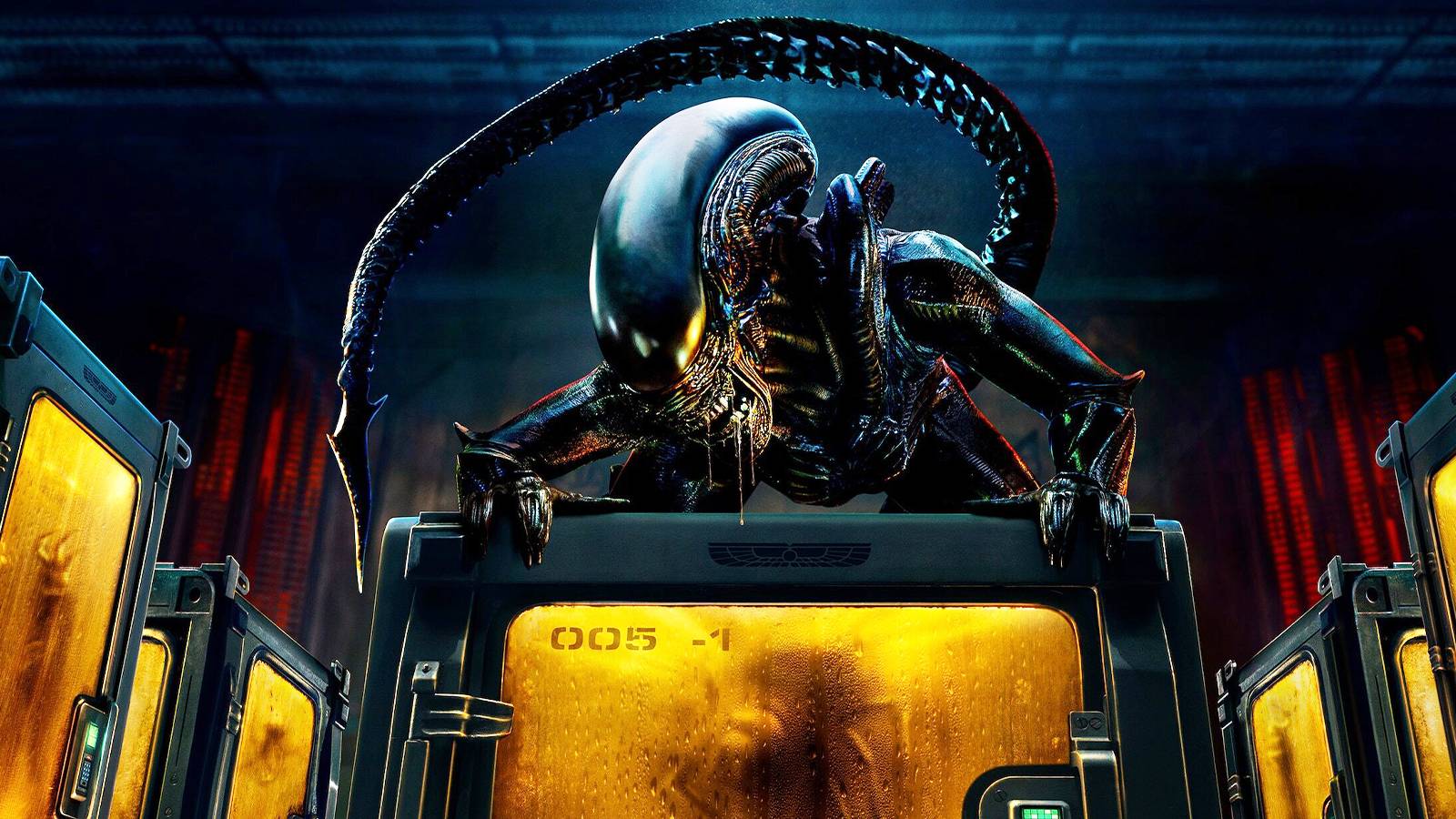
The universe of Ridley Scott’s iconic *Alien* franchise has always been synonymous with terror, an unrelenting force of nature embodied by the perfect organism: the Xenomorph. For decades, fans have witnessed the creature’s evolution, its various forms, and its terrifying adaptability. Now, under the stewardship of Marvel Comics, that evolution has taken another unsettling leap forward. The latest revelation from *Alien: King Killer #4* introduces a chilling new breed of Marvel Xenomorph hybrids, known ominously as the Three Kings. These creatures, engineered as twisted human-Xenomorph fusions, aren’t just a new design; they represent a significant analytical turning point for the franchise, holding profound implications for the lore, the industry, and the very definition of horror for fans.
The concept of hybridizing the Xenomorph is not entirely new to the *Alien* saga, with past iterations exploring various genetic abominations. However, the Three Kings push the boundaries in a particularly disturbing way, integrating human DNA not merely as a host, but as a foundational component of their terrifying physiology. This isn’t just about making the Xenomorph stronger or faster; it’s about making it more insidious, more self-aware, and potentially, more reflective of humanity’s own monstrous potential. The introduction of such complex, engineered creatures by Marvel signifies a bold direction, promising to unravel new layers of dread and philosophical inquiry within a universe already steeped in existential horror.
The unveiling of the Three Kings in *Alien: King Killer #4* is a pivotal moment, fundamentally altering our understanding of what a Xenomorph can be. These aren’t your typical drone, warrior, or even queen. They are sophisticated, grotesque amalgamations, bearing distinctive human traits alongside the classic biomechanical horror of the Xenomorph. Their very existence speaks volumes about the relentless pursuit of weaponizing the unweaponizable, a hallmark of the Weyland-Yutani Corporation’s (or similar entities’) ethically bankrupt endeavors. The details revealed about their creation suggest a deliberate, calculated effort to merge the apex predator with the species it most frequently preys upon, resulting in a creature that embodies the ultimate perversion of life.
What sets the Three Kings apart from previous Xenomorph forms, such as the Praetorians or the genetically modified creatures from *Alien Resurrection*, is the overt and integral nature of their human lineage. This isn’t just a host influencing the final form; it’s a fundamental genetic blend that introduces elements of human intelligence, perhaps even cunning, into the terrifying alien biology. Their design likely incorporates elements that make them uniquely adapted to combat other humans, exploiting weaknesses and fears that a pure Xenomorph might not intuitively grasp. This elevation from instinctual hunter to engineered terror poses a fresh challenge to protagonists and fans alike, raising the stakes in the ongoing battle for survival against the galaxy’s most horrifying entity.
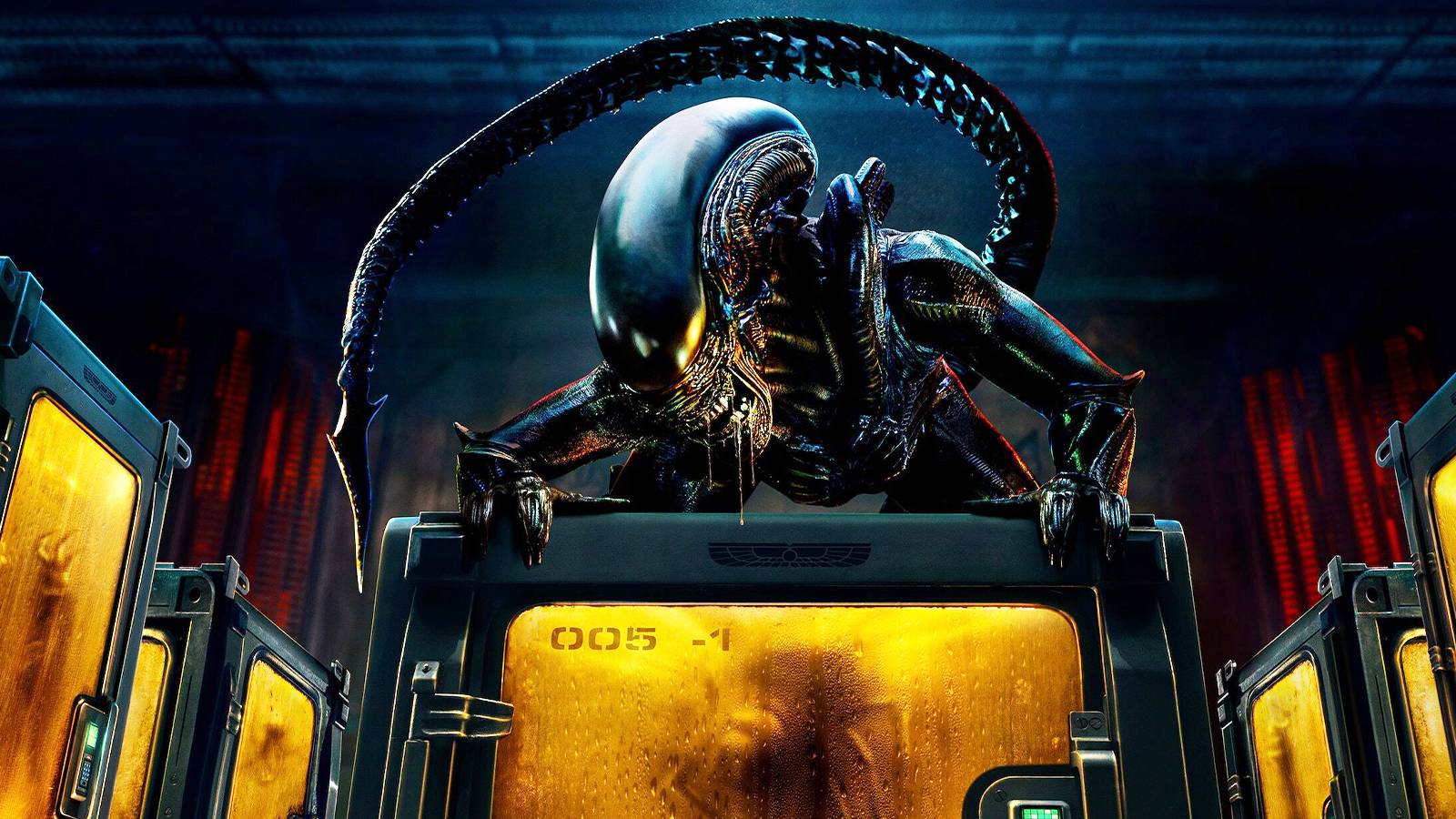
The introduction of the Three Kings dramatically enriches and complicates the lore of the *Alien* universe under Marvel’s wing. For years, the Xenomorph’s lifecycle and evolutionary path have been meticulously detailed, creating a comprehensive, albeit terrifying, biological framework. These new Marvel Xenomorph hybrids challenge established norms, suggesting that the creature’s biological adaptability is far more malleable than previously imagined, especially when subjected to advanced genetic engineering. This opens a Pandora’s Box of narrative possibilities. How do these hybrids fit into the existing Xenomorph hierarchy? Do they possess a unique form of intelligence or communication? Are they capable of independent thought beyond the hive mind?
Moreover, the existence of the Three Kings raises critical questions about the ethics and capabilities of those who engineered them. Is this the work of a rogue scientific faction, a desperate military, or another sinister offshoot of the omnipresent Weyland-Yutani? The answers could reshape our understanding of the power dynamics within the *Alien* galaxy, revealing new players or escalating the threat posed by existing ones. The implications for future storylines are vast, potentially leading to conflicts not just against the Xenomorphs themselves, but against the very forces that seek to control or weaponize them, pushing the franchise into even darker, more morally ambiguous territories. This new breed of hybrid directly contributes to Marvel Officially Reveals a New Breed of Xenomorph Hybrid, ensuring the series remains unpredictable.
For dedicated fans of the *Alien* franchise, the news of the Three Kings is undoubtedly a cause for both excitement and trepidation. On one hand, it signals a commitment from Marvel to innovate and expand upon a beloved, yet often stagnant, universe. New Xenomorph designs and lore developments are always eagerly anticipated, offering fresh scares and narrative directions. The analytical depth that these human-hybrid creatures bring could lead to more psychologically complex horror, moving beyond mere jump scares to delve into themes of identity, perversion, and the horror of self-reflection. Fans are likely buzzing with theories about their abilities, weaknesses, and potential role in the broader conflict.
However, there’s also the delicate balance of maintaining the integrity of a classic monster. Some purists might view radical alterations to the Xenomorph’s core biology with skepticism, fearing that it dilutes the original terror. Marvel’s challenge will be to ensure that these new Marvel Xenomorph hybrids enhance, rather than diminish, the creature’s iconic status. The success of the Three Kings will hinge on compelling storytelling that justifies their existence within the established canon, providing a terrifying new threat that feels organic to the franchise’s ethos. The anticipation isn’t just for what these creatures can do, but how Marvel will weave their story into the intricate tapestry of the *Alien* universe.
Beyond the immediate narrative impact, the introduction of the Three Kings carries significant strategic implications for Marvel’s handling of the *Alien* intellectual property. Since acquiring the publishing rights from Dark Horse Comics, Marvel has been steadily building its own corner of the Xenomorph universe, and this revelation marks a bold step in defining their unique vision. It demonstrates Marvel’s willingness to push boundaries and take creative risks with established horror icons, rather than simply rehashing old storylines. This aggressive approach positions Marvel as a serious contender in the horror comics landscape, showing they’re not afraid to put their own stamp on a legacy franchise. The decision to delve into sophisticated hybridization, rather than just new environments or human antagonists, suggests a long-term strategy to keep the *Alien* brand fresh and relevant for a new generation of readers while still appealing to veterans.
This move could also serve as a blueprint for how Marvel might approach other acquired IPs, signaling a commitment to creative evolution rather than mere brand stewardship. It suggests a confidence in their storytelling teams to not just honor the past but to actively build upon it in meaningful, impactful ways. The successful integration of these complex Marvel Xenomorph hybrids could pave the way for even more ambitious cross-franchise narratives or reinterpretations, firmly establishing Marvel’s Alien line as a vibrant, essential part of the broader comic book ecosystem. This strategic initiative, highlighted by Marvel Officially Reveals a New Breed of Xenomorph Hybrid, is crucial for the franchise’s continued growth.
The true terror of the Three Kings, these unsettling Marvel Xenomorph hybrids, lies not just in their alien ferocity but in the stark reflection of human hubris they embody. By incorporating human DNA, these creatures become a grotesque mirror, forcing us to confront the monstrous potential within our own species. The desire to control, to weaponize, to master even the most uncontrollable forces, often leads to unforeseen and horrific consequences. The Three Kings are a direct result of this ambition, a cautionary tale rendered in acid blood and razor claws. They are a physical manifestation of humanity’s darkest impulses, a self-inflicted wound that walks and hunts.
This human element adds a profound layer of psychological horror. It’s one thing to fight an unknowable alien; it’s another entirely to face a creature that carries a part of yourself, twisted and weaponized against you. This blurring of lines between predator and prey, alien and human, elevates the narrative beyond simple survival horror into a realm of existential dread. What does it mean for humanity when its own genetic material can be so easily corrupted and turned into an instrument of annihilation? The Three Kings compel us to ask these uncomfortable questions, ensuring that their impact resonates long after the final page is turned, solidifying their place as a truly unique and terrifying addition to the Marvel Comics universe.
The introduction of the Three Kings, these compelling Marvel Xenomorph hybrids, from *Alien: King Killer #4* is far more than just a new monster reveal. It’s a statement from Marvel Comics about their ambitious vision for the *Alien* franchise. By delving into the complex and unsettling territory of human-Xenomorph hybridization, they are not only expanding the lore in significant ways but also challenging fans and the industry to reconsider the boundaries of horror and science fiction. The implications for future storylines are immense, promising a revitalized, more terrifying, and philosophically rich era for one of cinema’s most iconic creatures. This bold move ensures that the Xenomorph remains the ‘perfect organism’ – perfectly capable of evolving into new nightmares.
The Three Kings are a newly introduced breed of Xenomorph hybrid in Marvel Comics’ *Alien: King Killer #4*. They are unique in that they were engineered as twisted fusions of human and Xenomorph DNA, designed to be particularly unsettling and effective predators.
Unlike standard Xenomorph drones, warriors, or even queens, the Three Kings overtly incorporate significant human genetic material, leading to a physiology that blends classic Xenomorph biomechanics with distinct human traits. This hybridization makes them a more sophisticated and potentially intelligent threat than previous forms.
The introduction of the Three Kings significantly expands the lore by demonstrating a new level of genetic manipulation possible within the *Alien* universe. It raises questions about the ethics of their creators, the hierarchy among Xenomorphs, and opens up narrative possibilities for more complex, psychologically driven horror stories.
While their current appearance is in *Alien: King Killer #4*, the significance of such a major new Xenomorph design suggests they could become recurring threats or influential figures in future Marvel Comics’ *Alien* series. Their potential for broader media appearances would depend on their popularity and Marvel’s long-term plans for the franchise.