Physical Address
304 North Cardinal St.
Dorchester Center, MA 02124
Physical Address
304 North Cardinal St.
Dorchester Center, MA 02124

The magic of cinema often lies in its ability to transport us to sprawling landscapes, futuristic cities, or fantastical realms. Yet, some of the most profound and pulse-pounding cinematic experiences come from films that deliberately restrict their canvas, proving that true tension doesn’t require a vast playground. Instead, it thrives in constraint. This deliberate limitation is the hallmark of the best single-location thrillers, a subgenre celebrated for its ingenious ability to wring every drop of suspense from a confined setting. These films aren’t just great stories; they are masterclasses in filmmaking economy, psychological depth, and pure, unadulterated grip, offering unique implications for both devoted fans and the broader film industry.
What makes a thriller set in a single room, a single building, or even a single vehicle so utterly captivating? The answer lies in the profound psychological impact of claustrophobia and the intense focus it places on character and narrative. When there’s nowhere to run, the characters are forced to confront their fears, their pasts, and each other with an intensity rarely seen in more expansive narratives. For fans, this translates into an immersive, often suffocating, experience where every whisper, every gesture, and every shifting shadow holds immense weight. The audience becomes as trapped as the characters, sharing their anxiety and desperation. This shared experience creates an unparalleled level of engagement, turning passive viewing into an active emotional journey.
From an industry perspective, the allure of the single-location thriller is multifaceted. Financially, they often present a more manageable production challenge, requiring fewer sets, less elaborate travel, and frequently a smaller cast. This cost-effectiveness doesn’t just benefit indie filmmakers looking to maximize their creative impact on a shoestring budget; it also appeals to major studios seeking high-concept, high-return projects that can stand out in a crowded marketplace. The success of films like Alfred Hitchcock’s *Rear Window* or Sidney Lumet’s *Dog Day Afternoon* demonstrates that critical acclaim and commercial viability are not dependent on scale, but on the brilliance of the concept and execution.
Beyond the economics, single-location thrillers are a testament to the power of pure storytelling and directorial vision. They force filmmakers to be innovative, relying heavily on sharp dialogue, intricate plotting, compelling performances, and meticulous visual staging to maintain tension. The camera becomes another character, exploring every nook and cranny of the environment, mirroring the audience’s growing unease. Sound design, too, plays a crucial role, amplifying small noises into terrifying portents. These constraints, rather than limiting creativity, often ignite it, leading to some of the most inventive and memorable cinematic moments.
For aspiring screenwriters and directors, single-location thrillers offer a valuable blueprint. They exemplify how to build suspense through pacing, character development, and rising stakes, rather than relying on spectacle. They teach the importance of subtext, the power of limited information, and how to make every element on screen count. The genre inherently demands a deep understanding of human psychology, exploring how individuals react under extreme pressure when escape is not an option. This analytical depth is what truly elevates these films beyond mere entertainment, turning them into compelling studies of the human condition.
The true genius of the best single-location thrillers lies in their directorial prowess. Directors must orchestrate a delicate dance between intimacy and tension, ensuring that the limited setting never feels stagnant or repetitive. Take, for instance, *12 Angry Men*, a film almost entirely set within a jury deliberation room. Sidney Lumet masterfully employs subtle camera movements, changing angles, and varying shot compositions to reflect the shifting power dynamics and rising emotional stakes among the jurors. The room itself becomes a crucible, slowly melting away prejudices and revealing truths. Every cut, every close-up, every pan serves to heighten the claustrophobia and magnify the characters’ internal and external conflicts.
Similarly, Alfred Hitchcock’s *Rear Window* confines its protagonist, L.B. Jefferies, to his apartment window, yet manages to craft an expansive and terrifying mystery. Hitchcock’s innovative use of point-of-view shots immerses the audience directly into Jefferies’ perspective, making us complicit in his voyeurism and fear. The apartment building opposite becomes a stage, with each window revealing a new mini-drama or a potential clue. The film brilliantly demonstrates how a limited physical space can open up a vast narrative and thematic landscape, forcing both character and audience to scrutinize every detail for meaning and danger. This is why these films remain benchmarks in how to maximize tension within tight confines.
One of the most profound implications of the single-location thriller for fans is the unparalleled opportunity to delve deep into character psychology. When confined, characters are stripped bare, their facades crumble, and their true selves emerge under duress. This intense scrutiny allows for complex character arcs that might feel rushed or less impactful in a broader narrative. Consider films like *Buried*, where Ryan Reynolds’ character is trapped inside a coffin, or *Locke*, which unfolds entirely within Tom Hardy’s car. These films force audiences to confront fundamental questions about survival, morality, and identity, as the characters grapple with their predicament in real-time.
In *Buried*, the audience experiences every gasp, every desperate plea, and every flicker of hope and despair alongside the protagonist. The limited visual information means that the performance, combined with sound design, carries the entire emotional weight. It’s a masterclass in how to evoke empathy and terror through a single individual’s struggle. *Locke*, on the other hand, is a more cerebral, yet equally gripping, journey into one man’s unraveling life. The car becomes a confessional booth, a mobile office, and a symbol of his isolation, allowing for a profound exploration of responsibility, consequence, and personal crisis. This deep dive into the human psyche under pressure is a core reason why the best single-location thrillers resonate so deeply with viewers.
Beyond the creative challenges and artistic merit, the film industry has a pragmatic appreciation for single-location thrillers. Their inherent constraints often lead to streamlined production schedules and lower budgets, making them attractive propositions in a risk-averse climate. A film that can generate significant buzz and box office returns with minimal investment is a holy grail for studios and independent producers alike. The success stories of films like *The Blair Witch Project* (which, while not strictly single-location, utilized extreme narrative and visual constraints) or more recently, films like *Don’t Breathe*, demonstrate the immense return on investment possible when a brilliant concept meets efficient execution.
Moreover, these films offer a unique proving ground for emerging talent. Directors and cinematographers can showcase their ability to craft tension and compelling visuals without the need for extensive special effects or complex logistical planning. Actors, too, can deliver powerhouse performances that highlight their range and intensity, often leading to significant career breakthroughs. This makes the single-location thriller a vital component of the cinematic ecosystem, fostering innovation and providing pathways for new voices to emerge within the industry. The focus on raw talent and storytelling over spectacle ensures their continued relevance and appeal.
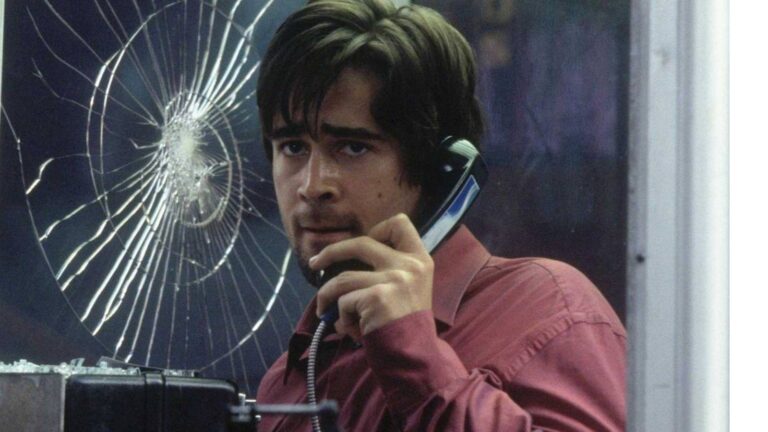
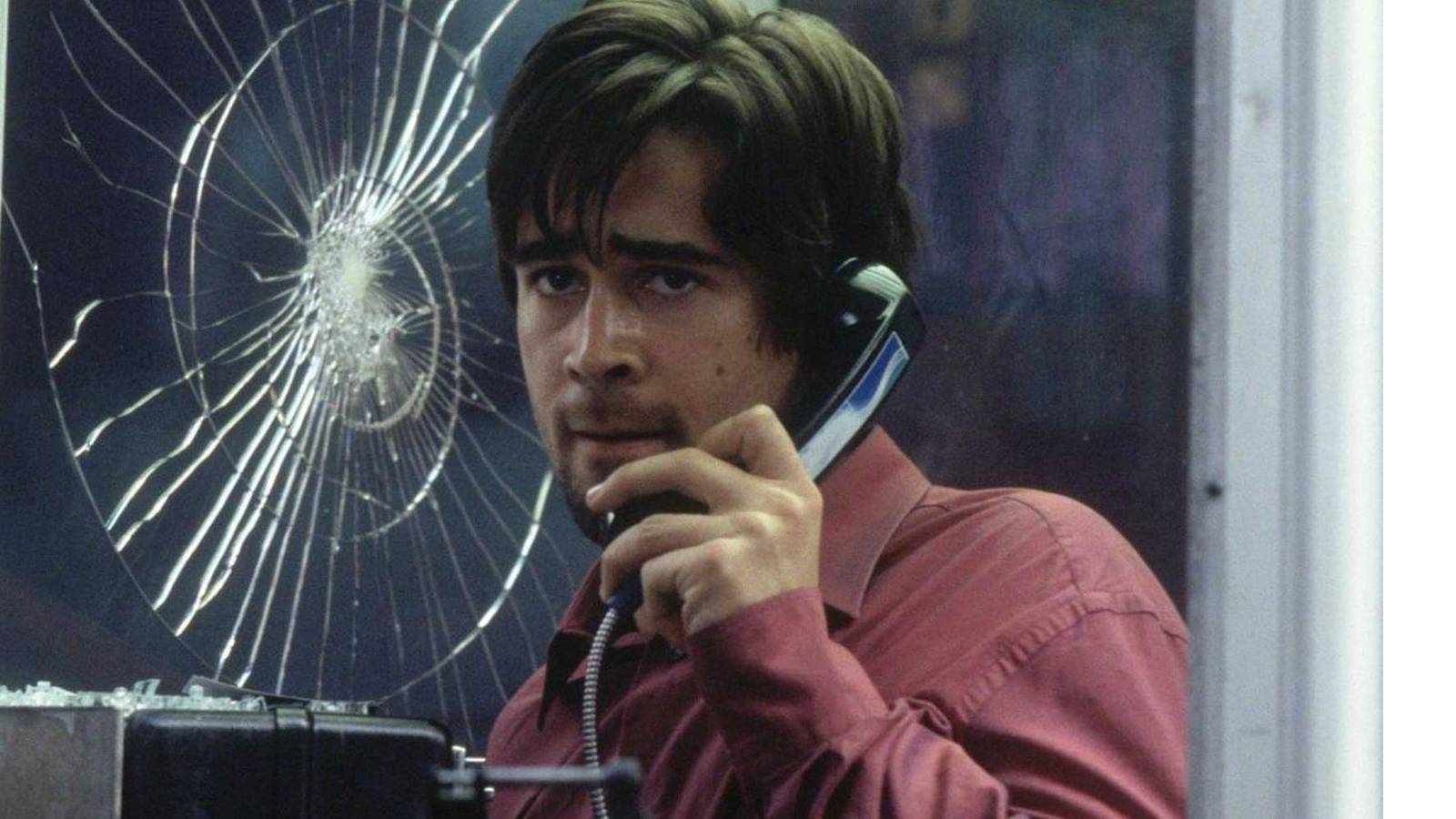
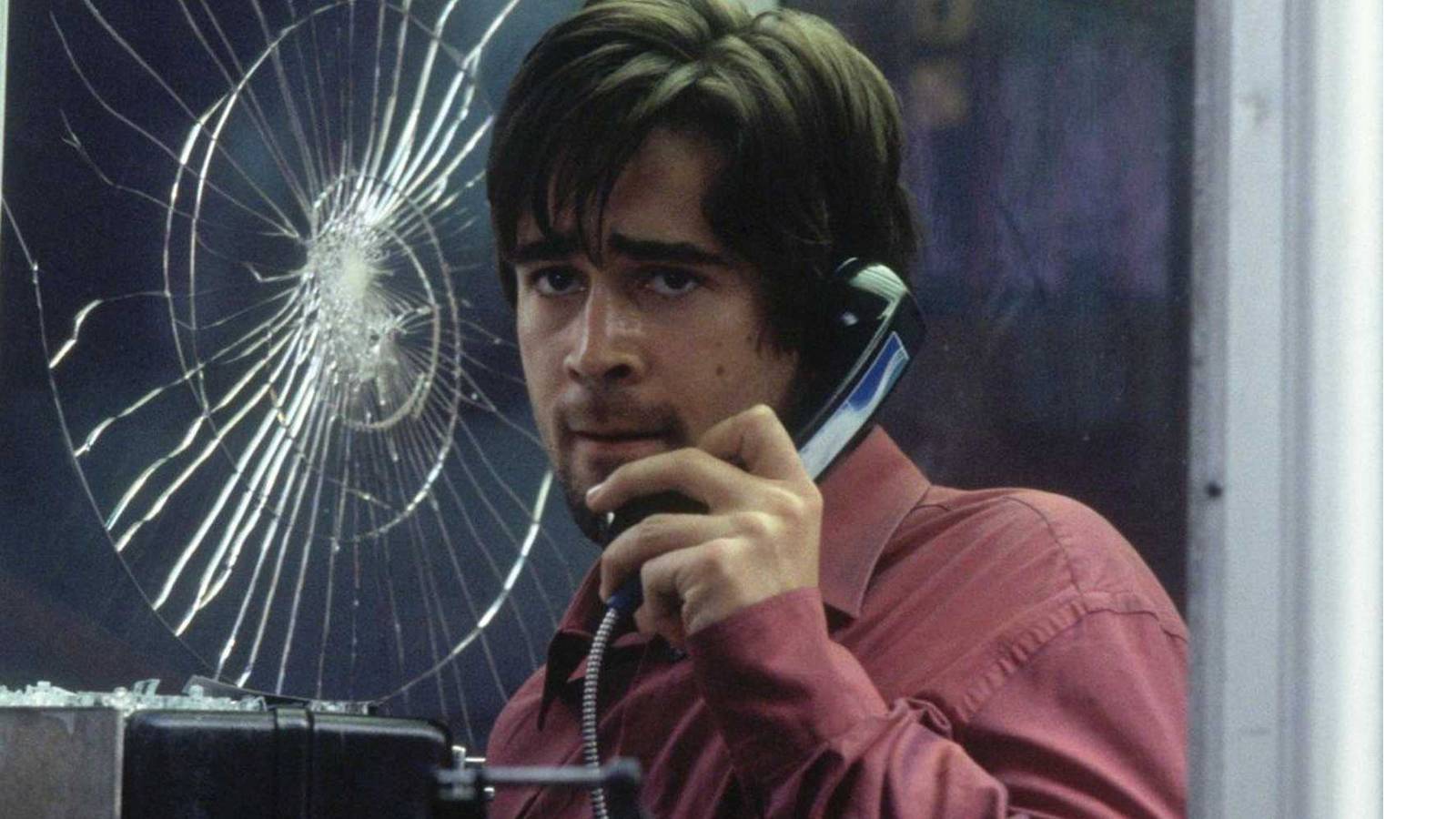
While the classic definition of a single-location thriller often evokes images of a room or house, the genre has continually evolved, pushing the boundaries of what constitutes a “single location.” Modern filmmakers are finding innovative ways to interpret this constraint, from a phone booth in *Phone Booth* to an open sea with a single boat in *All Is Lost*. These films redefine our understanding of what makes the 10 Single-Location Thrillers That Are Gripping From Start to Finish, Ranked so effective, proving that the concept isn’t about the literal size of the space, but the inescapable nature of the predicament. The key is the feeling of being trapped, whether by physical barriers, psychological torment, or the relentless ticking of a clock.
This evolution highlights the genre’s adaptability and enduring appeal. It’s a testament to the fact that human drama, fear, and resilience are universal, and can be explored effectively within any set of limitations. For fans, this means a continuous stream of fresh, inventive thrillers that challenge expectations and deliver unexpected chills. For the industry, it offers a sustainable model for crafting compelling narratives that resonate deeply with audiences, proving that sometimes, less is indeed more when it comes to delivering maximum impact and unforgettable tension.
A single-location thriller is a film where the majority, if not the entirety, of the narrative unfolds within one primary confined setting. This could be a room, a house, a vehicle, or any space that limits the characters’ physical movement and amplifies their predicament, often leading to heightened tension and psychological drama.
They are effective because the confined setting creates a sense of claustrophobia and inescapable tension for both characters and the audience. This forces a deep focus on character development, dialogue, and psychological conflict, stripping away distractions and amplifying every detail, making the experience intensely immersive and gripping.
While they often have lower budgets and simpler logistics compared to large-scale productions, single-location thrillers present unique creative challenges. Filmmakers must be exceptionally resourceful in their directing, writing, and acting to maintain visual interest, pacing, and tension within a limited space, avoiding monotony and keeping the audience engaged.
Some highly acclaimed examples include Alfred Hitchcock’s *Rear Window*, Sidney Lumet’s *12 Angry Men*, Joel Schumacher’s *Phone Booth*, Rodrigo Cortés’ *Buried*, Steven Knight’s *Locke*, and David Fincher’s *Panic Room*. These films are celebrated for their masterful use of limited space to generate profound suspense and character insight.