Physical Address
304 North Cardinal St.
Dorchester Center, MA 02124
Physical Address
304 North Cardinal St.
Dorchester Center, MA 02124

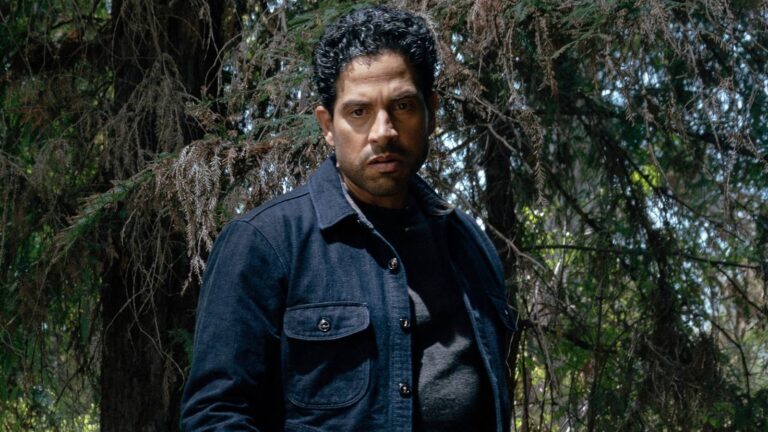
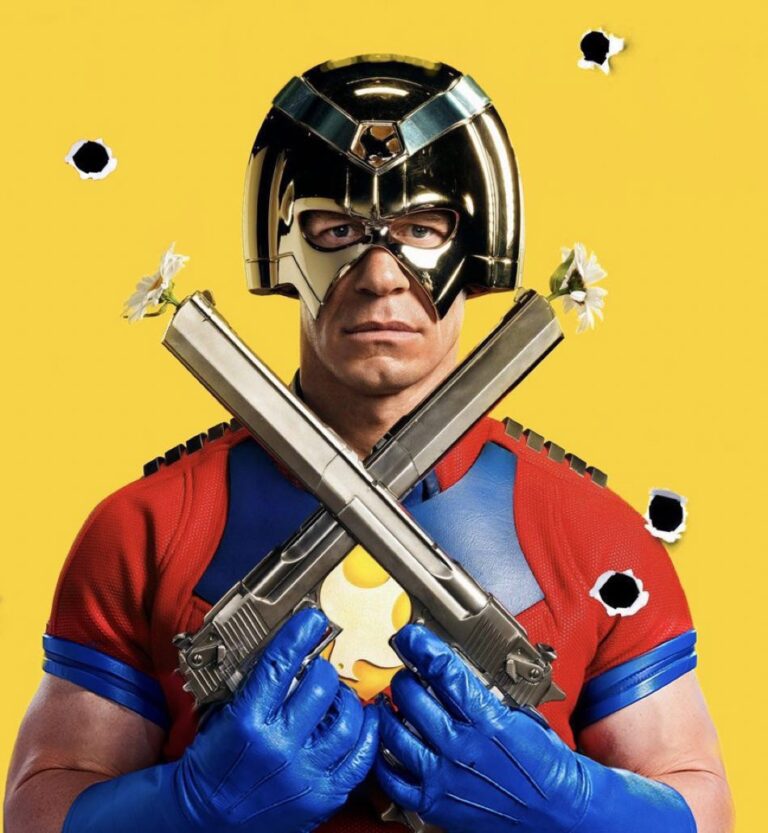
The countdown has begun for what promises to be one of the most explosive and talked-about finales in recent television history. Prime Video’s brutal, no-holds-barred superhero deconstruction, The Boys, is gearing up to deliver its ultimate punch, with fans bracing for the inevitable fallout. As the series hurtles towards its conclusion, speculation runs rampant about how exactly The Boys season 5 ending will reshape its universe, impact its beloved (and reviled) characters, and leave an indelible mark on the entertainment landscape. With apocalyptic stakes on the table and the fate of humanity potentially hanging in the balance, the pressure on showrunner Eric Kripke and his team to stick the landing is immense.
Since its inception, The Boys has consistently defied expectations, twisting the superhero genre into something darkly satirical, hyper-violent, and incredibly poignant. It’s a show that has never shied away from exploring the darkest corners of power, celebrity, and corporate greed, all wrapped in a bloody, often hilarious package. As we approach the final episode, the narrative threads are tighter than ever, weaving together the destinies of Billy Butcher, Homelander, Starlight, Hughie, and the rest of the gang in a collision course that feels both inevitable and terrifyingly unpredictable. The show has masterfully built towards this climax, ensuring that every character, every choice, and every drop of blood spilled carries significant weight.
The series finale isn’t just about resolving plotlines; it’s about delivering a thematic statement. Will good truly triumph over evil, or will the cynical worldview that has defined the show ultimately prevail? The very concept of “good” and “evil” is murky in The Boys‘ universe, with even its heroes committing morally ambiguous acts in their desperate fight against corruption. This moral complexity is one of the show’s greatest strengths, forcing viewers to confront uncomfortable truths about power and the human condition. The ending will undoubtedly challenge our perceptions of heroism and villainy, perhaps leaving us with more questions than answers about the true cost of fighting monsters.
Furthermore, the finale carries the weight of industry expectation. The Boys has been a critical darling and a massive commercial success for Prime Video, proving that audiences are hungry for nuanced, adult-oriented takes on established genres. Its success has paved the way for other subversive narratives, much like how Prime Video’s Most Brutal Sci-Fi Phenomenon Ends Next Week With Its Final Episode has showcased a willingness to push boundaries. The manner in which the series concludes could set a precedent for how other long-running, complex shows choose to wrap up their stories, especially those with spin-off potential or intricate world-building.
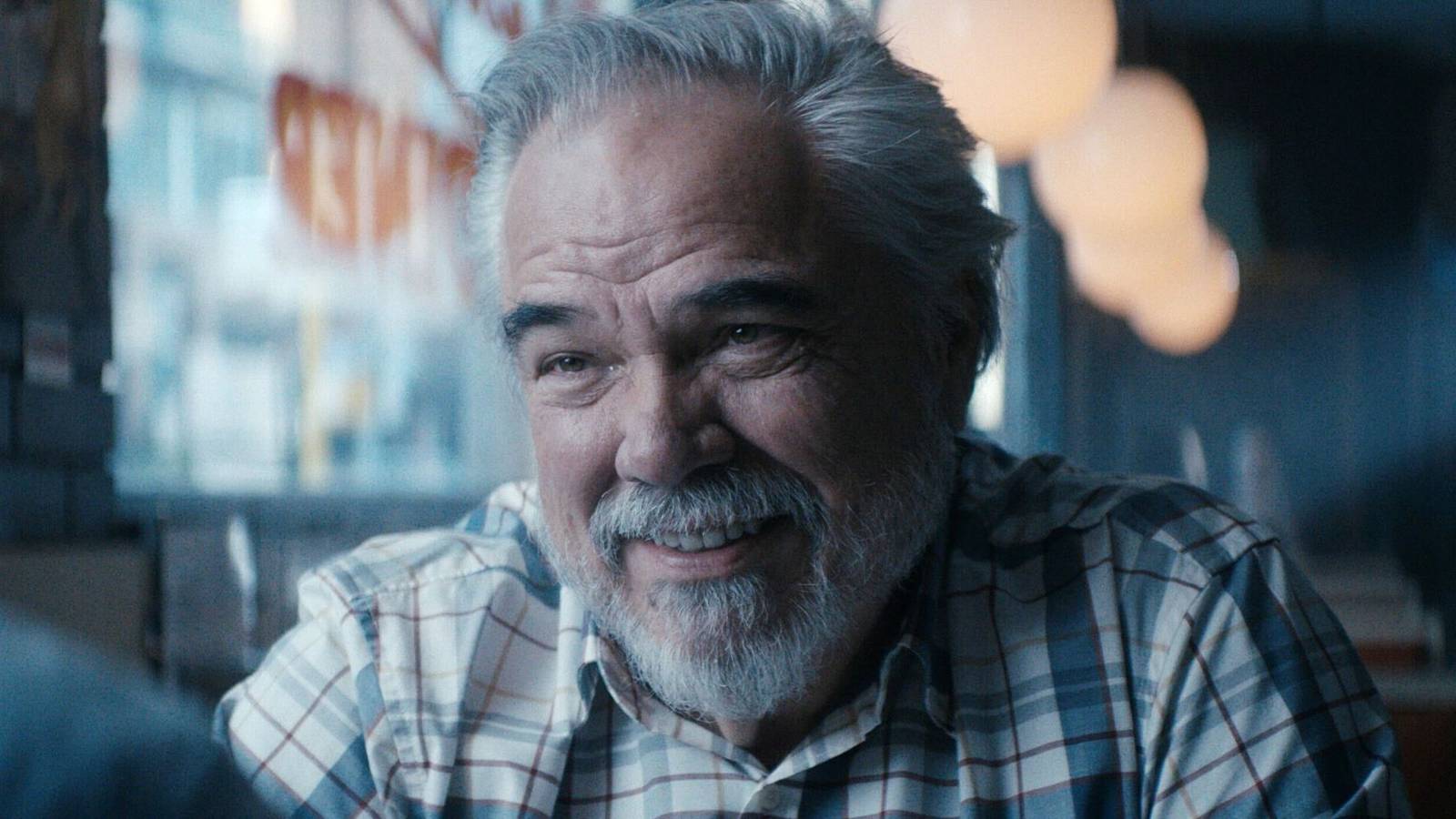
The stakes for The Boys season 5 ending couldn’t be higher. We’ve seen Homelander’s increasingly unstable grip on reality, Butcher’s race against time and his own mortality, and the burgeoning global threat posed by Vought’s unchecked power. The narrative has consistently escalated, moving from a street-level fight against corrupt Supes to a potential worldwide conflict that could redefine human existence. Will Butcher find a way to take down Homelander without succumbing to the very thing he despises? Will Starlight succeed in her mission to expose the truth, or will she be consumed by the system? These are the burning questions that demand satisfying, yet shocking, answers.
Homelander’s journey has been a terrifying descent into full-blown megalomania, fueled by his deep-seated insecurities and unbridled power. The The Boys season 5 ending must confront the ultimate fate of this seemingly invincible villain. Will he finally be defeated, perhaps by a united front of heroes and anti-heroes, or will his reign of terror continue, leaving a truly bleak legacy? The show has often highlighted that Homelander is a product of his environment – a weaponized child raised by a corporation – which adds a layer of tragic complexity to his villainy. His end, whatever form it takes, needs to be more than just a simple defeat; it needs to reflect the themes of nature versus nurture, and the corrupting influence of absolute power.
One compelling theory suggests that Homelander’s greatest weakness isn’t physical, but psychological. His desperate need for adoration and his fragile ego could be exploited, leading to a breakdown that’s more devastating than any physical battle. Alternatively, his own son, Ryan, could play a pivotal role, either as his ultimate successor or his ultimate downfall, embodying the moral struggle between good and evil within the family legacy. The pressure to deliver a Homelander resolution that is both cathartic and thematically resonant is immense, ensuring his character remains one of television’s most iconic antagonists.
The Boys didn’t just deconstruct the superhero genre; it detonated it. Its ending carries the potential to further redefine what audiences expect from superhero narratives. By offering a definitive conclusion to its brutal saga, the show could solidify its place as a groundbreaking piece of television that dared to ask uncomfortable questions about power, ethics, and corporate control within a fantastical framework. If the ending is particularly subversive or ambiguous, it could inspire a new wave of anti-hero stories or narratives that prioritize thematic depth over conventional heroics. The industry will certainly be watching to see how a show that has consistently challenged norms chooses to bow out.
Many shows struggle to maintain quality in their final seasons, but The Boys has a chance to cement its legacy by delivering a finale that is both satisfying for fans and impactful for the genre at large. Its willingness to explore fascism, corporate malfeasance, and the darker side of fame through the lens of superheroes has resonated deeply, and its conclusion will undoubtedly be analyzed for years to come as a benchmark for how to effectively conclude a complex, genre-bending series. It has demonstrated that audiences are ready for stories that aren’t afraid to get dirty, morally grey, and deeply unsettling.
With the finale rapidly approaching, the internet is abuzz with fan theories and predictions for The Boys season 5 ending. Some foresee a tragic end for Butcher, perhaps sacrificing himself in a final, desperate attempt to take down Homelander, fulfilling his arc as a man consumed by vengeance. Others believe in a more hopeful, albeit bittersweet, resolution where the Boys dismantle Vought but remain forever scarred by their experiences. A popular theory involves a ‘controlled demolition’ of Vought, where the company’s secrets are exposed to the world, leading to a new era of accountability for Supes, rather than their outright eradication. The beauty of The Boys is its unpredictability, making almost any outcome plausible, from devastating losses to surprising victories. The true genius will lie in how these predictions are either subverted or expertly executed, leaving fans with a sense of both shock and satisfaction.
Vought International is more than just a corporation; it’s a monolithic entity that controls media, politics, and a significant portion of global power. The Prime Video’s Most Brutal Sci-Fi Phenomenon Ends Next Week With Its Final Episode implies that the fate of Vought is inextricably linked to the series’ conclusion. Will the company finally crumble under the weight of its own corruption, or will it find a way to rebrand and continue its insidious influence in a new form? The show has consistently portrayed Vought as a hydra, cutting off one head only for two more to grow. A truly impactful ending might not see Vought completely destroyed, but rather exposed and significantly weakened, leaving room for its lingering shadow to remind us of the persistent nature of corporate power and the challenges of dismantling systemic corruption. This nuanced approach would align with the show’s often cynical, yet realistic, worldview.
One of the enduring hallmarks of The Boys has been its refusal to paint characters in simple black and white. Billy Butcher, despite his noble goal, is often as ruthless and violent as the Supes he hunts. Starlight struggles with the compromises she must make to fight from within the system. Even characters like Maeve and Frenchie have walked morally grey paths. The The Boys season 5 ending will undoubtedly force these characters to make their final, defining choices, solidifying their moral standing in the series’ history. Will Butcher find redemption, or succumb entirely to his bloodlust? Will Starlight retain her idealism, or become jaded by the constant struggle? These questions highlight the show’s commitment to exploring the complex nuances of human nature, even within a fantastical setting, ensuring that its conclusion is not just an action-packed spectacle but a profound character study.
Yes, showrunner Eric Kripke has confirmed that The Boys season 5 will be the series’ final installment, bringing the story of Billy Butcher, Homelander, and The Boys to a definitive conclusion.
The main stakes involve Homelander’s complete mental breakdown and his potential to unleash apocalyptic devastation, Butcher’s race against time with his terminal illness, and the fate of Vought International and the entire world’s perception of Supes. The very survival of humanity as we know it is on the line.
While The Boys main series is ending, the universe is expected to continue through existing spin-offs like Gen V and potentially other new projects. The finale will likely set the stage for how these expansions might proceed, though no direct sequels to the main narrative have been announced.
The Boys is expected to leave a significant mark on the superhero genre by further solidifying the trend of deconstructionist narratives, morally ambiguous heroes, and critical examinations of power. Its ending will likely be seen as a benchmark for how to conclude a complex, adult-oriented superhero story, inspiring future creators to push boundaries even further.