Physical Address
304 North Cardinal St.
Dorchester Center, MA 02124
Physical Address
304 North Cardinal St.
Dorchester Center, MA 02124

The DC Universe, a sprawling tapestry of heroes and villains, has gifted audiences with some of the most iconic storytelling across comics, film, and television. From the gritty streets of Gotham to the cosmic reaches of space, its narratives have captivated generations. Yet, for every smash-hit like The Batman or Harley Quinn, there exists a trove of hidden treasures that, for various reasons, have slipped through the cracks of collective memory. We’re talking about the truly forgotten DC shows – series that delivered exceptional quality, groundbreaking storytelling, or beloved interpretations of characters, only to be cancelled prematurely or simply overshadowed by the ever-churning content machine. This phenomenon raises critical questions about industry trends, fan engagement, and the lasting legacy of these near-perfect, yet overlooked, productions.
The landscape of superhero television is more crowded than ever, making it easy for even brilliant series to be lost in the shuffle. But what makes a show truly “forgotten” rather than merely “niche”? Often, it’s a combination of poor marketing, unfortunate network timing, or the fickle nature of audience attention in a saturated market. These shows often leave behind a dedicated, albeit smaller, fanbase who champion their quality and lament their untimely demise. Their disappearance from mainstream discourse isn’t just a loss for potential viewers; it represents missed opportunities for character development, narrative expansion, and a richer, more diverse DC live-action and animated tapestry.
DC has an undeniable pedigree in animation, often setting the gold standard for superhero storytelling outside of comics. While classics like Batman: The Animated Series and Justice League Unlimited are rightly revered, other animated masterpieces have found themselves relegated to the background. One such brilliant example is Green Lantern: The Animated Series. Airing on Cartoon Network in 2012, this CGI-animated gem followed Hal Jordan and Kilowog through unexplored sectors of space, facing off against the Red Lantern Corps. Despite its stunning visuals, compelling serialized narrative, and mature themes, it struggled to find a wide audience and was cancelled after only one season. Its critical acclaim, highlighted by its impressive Rotten Tomatoes score, proves that quality isn’t always enough to guarantee longevity, especially when competing with the rise of live-action blockbusters and shifting network priorities.
Another animated series that deserves more recognition is Legion of Super-Heroes. Airing in the mid-2000s, it introduced a new generation to Superman’s 31st-century allies, blending futuristic adventure with classic superheroics. While it ran for two seasons, it often gets overlooked in discussions of DC’s animated pantheon. These animated examples underscore a pattern: even when DC delivers top-tier storytelling and animation, if the marketing isn’t strong, the network isn’t fully committed, or the timing is off, even the most deserving shows can become part of the list of forgotten DC shows.
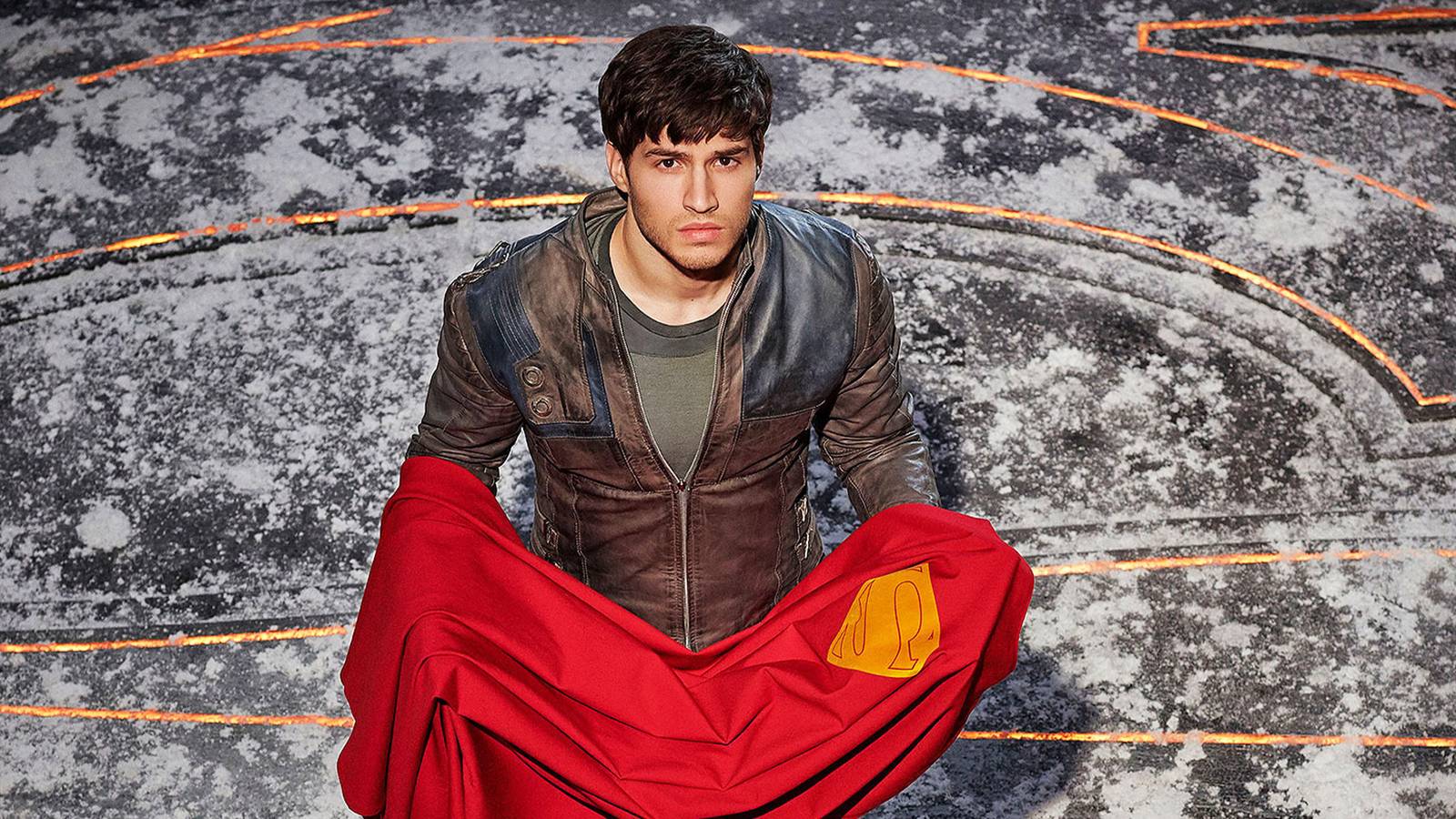
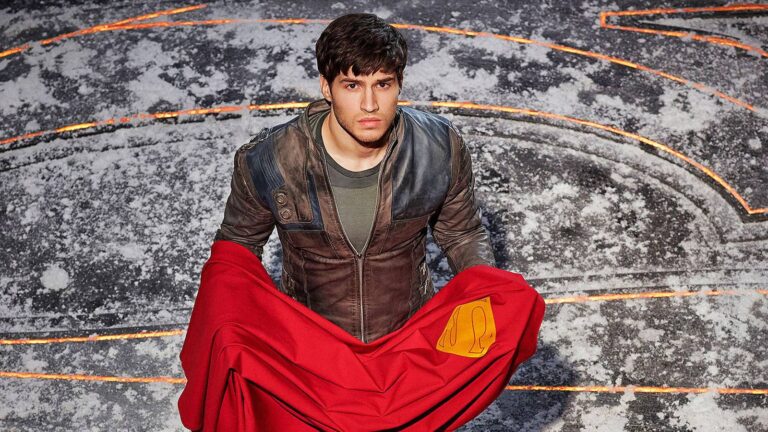
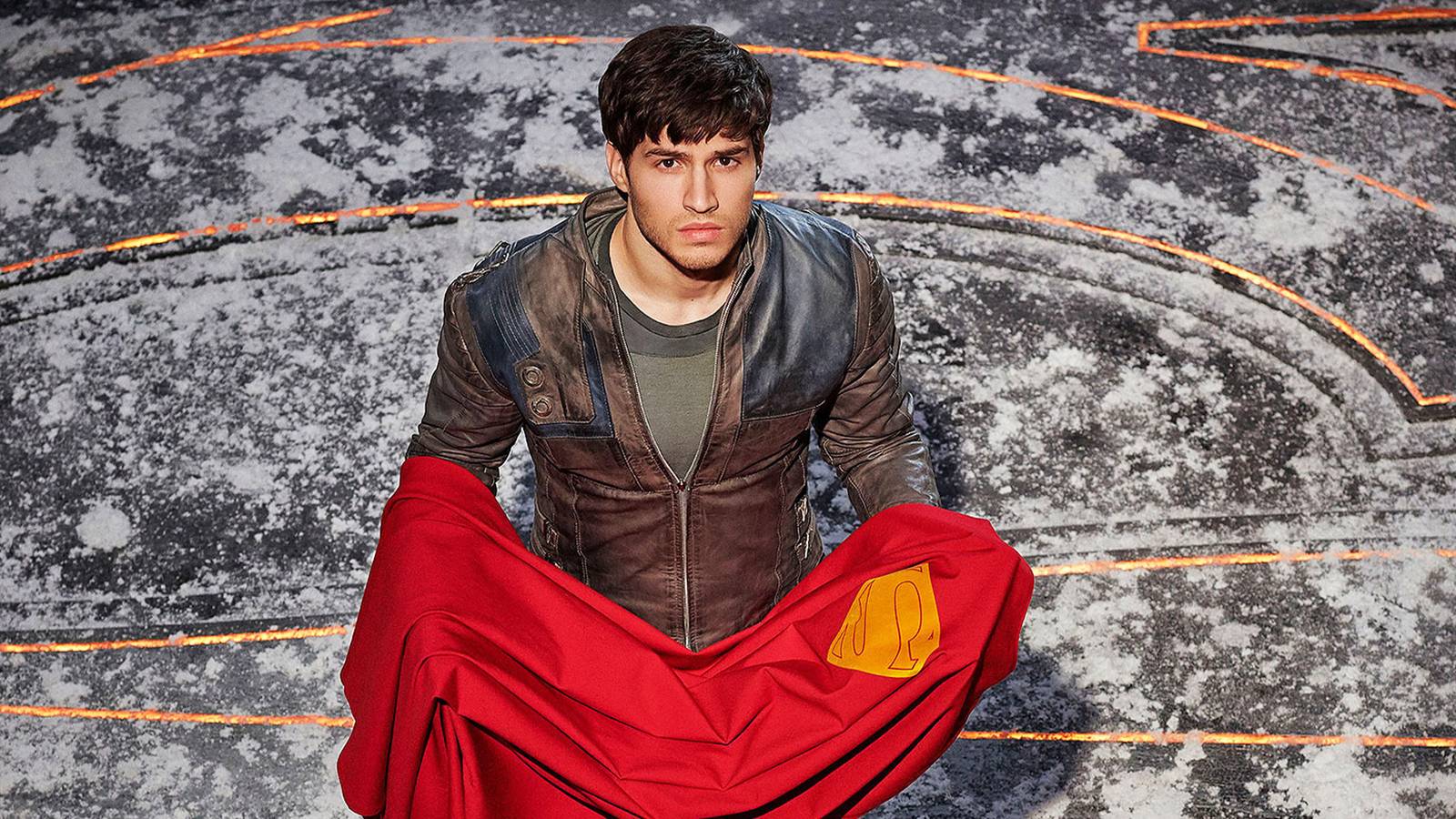
The live-action realm has its own share of tragic cancellations and overlooked brilliance. Krypton, Syfy’s ambitious prequel exploring Superman’s home planet two generations before its destruction, is a prime example. With its intricate world-building, political intrigue, and stellar performances, the show offered a fresh, mature take on the Superman mythos, delving into the House of El’s history and introducing fascinating characters like Seg-El and Adam Strange. It garnered a loyal following and critical praise, boasting a respectable IMDb rating, but ultimately fell victim to network restructuring and the evolving landscape of streaming. Its cancellation after two seasons left fans with a tantalizing cliffhanger and a profound sense of what could have been.
Similarly, Constantine, which aired on NBC in 2014, was a pitch-perfect adaptation of the Hellblazer comics, with Matt Ryan brilliantly embodying the sardonic, chain-smoking exorcist. Despite strong reviews and a passionate fanbase, NBC’s reluctance to fully embrace its darker, more supernatural themes, coupled with a challenging Friday night timeslot, led to its premature cancellation. While Ryan’s Constantine found new life in the Arrowverse, the original series remains a poignant reminder of a unique vision cut short. Then there’s Swamp Thing, a horror-infused gem from the short-lived DC Universe streaming service. Praised for its practical effects, atmospheric storytelling, and commitment to its source material, it was shockingly cancelled just weeks after its debut, a casualty of corporate restructuring rather than creative failure. These series highlight the vulnerability of quality content to external pressures, regardless of their artistic merit.
The reasons behind the cancellation of even highly-regarded shows are multifaceted, often extending beyond simple ratings. For many of these forgotten DC shows, network shifts play a significant role. Traditional broadcasters like NBC or Syfy might have different content strategies or audience expectations than a dedicated streaming platform. Budget constraints are another perennial issue; superhero shows are expensive to produce, and if viewership doesn’t justify the cost in the eyes of executives, cancellation becomes a likely outcome. The rise of streaming services, while offering new avenues for content, also introduced a new layer of complexity, with platforms like DC Universe being consolidated or rebranded, leaving their original programming in limbo.
Furthermore, the sheer volume of superhero content available today can lead to audience fatigue or simply make it harder for individual shows to stand out. In an era dominated by cinematic universes and massive multi-platform strategies, shows that don’t immediately slot into a larger, pre-defined plan might be deemed less valuable, even if they’re creatively superior. The internal link to Professor T and The Marlow Murder Club: The BBC Mysteries Keeping America Glued This August 2025 might seem disparate, but it underscores how even in a crowded market, unique and compelling narratives can still capture an audience, suggesting that perhaps the issue isn’t always quality, but visibility and strategic positioning.
For fans, revisiting these obscure DC TV series is more than just a nostalgic trip; it’s an opportunity to discover overlooked narratives and appreciate the breadth of DC’s storytelling potential. Many of these shows were ahead of their time, experimenting with tones, themes, and character interpretations that would later become more common in the superhero genre. For the industry, the lessons are clear: cultivate unique voices, support creative risks, and understand that not every show needs to be a blockbuster to be valuable. The current trend of bringing back beloved but cancelled series, or integrating characters into new projects (as seen with Matt Ryan’s Constantine), offers a glimmer of hope that some of these forgotten DC shows might yet find a second life or inspire future productions. Recognizing the value of these “near-perfect DC shows that no one remembers today” is crucial for fostering a more diverse and innovative future for superhero entertainment.
The streaming era has paradoxically been both a blessing and a curse for these kinds of shows. On one hand, it offers a second chance for discovery, allowing new audiences to binge-watch series that previously aired on niche networks or had limited availability. Services like Max (formerly HBO Max) have become the de facto home for much of DC’s television library, theoretically making it easier to find these gems. On the other hand, the constant churn of new content and the algorithmic nature of recommendations can still bury older, less-hyped shows. Furthermore, the consolidation of streaming services and corporate mergers often lead to content purges, where shows are removed entirely to cut costs or for tax write-offs, effectively erasing them from public access. This makes the concept of “forgotten DC shows” even more literal, as they become unavailable even to those who seek them out. The implications for media preservation and cultural memory are significant, highlighting the need for robust archival efforts and a commitment to keeping these valuable stories accessible.
Many factors contribute to a show being forgotten, including poor marketing, unfortunate network timing, competition from a saturated superhero market, budget issues leading to premature cancellation, or simply being overshadowed by larger franchise entries. Sometimes, a show’s unique tone or mature themes might not align with a network’s broader strategy, leading to its demise.
Examples include animated series like Green Lantern: The Animated Series and Legion of Super-Heroes, and live-action shows such as Krypton, Constantine, and Swamp Thing. These shows received critical acclaim for their storytelling, character development, and production values but ultimately had short runs or struggled to find a wide audience.
Yes, it’s possible. Characters from cancelled shows, like Matt Ryan’s Constantine, have found new life in other DC projects. Streaming platforms also offer a chance for rediscovered popularity. However, the complete return of a cancelled series is rare, often requiring significant fan demand, a new creative team, and a willing network or streamer.
Fans can support these shows by discussing them online, encouraging friends to watch them on available streaming platforms, purchasing physical media if available, and participating in fan campaigns. Engaging with the creators and actors on social media can also help keep the legacy of these beloved, yet forgotten DC shows alive and visible.